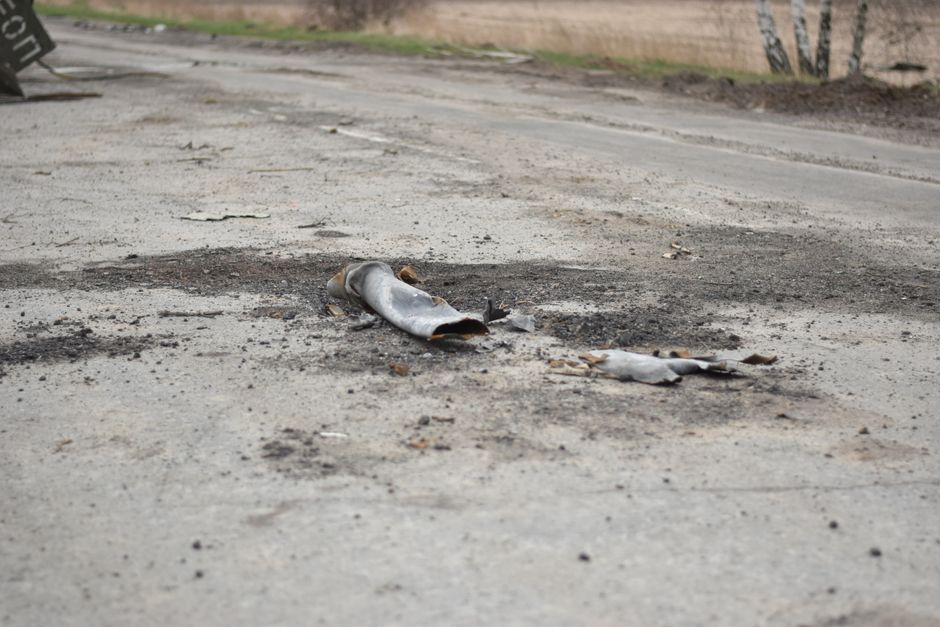
In the ongoing narrative ballet of conflict, discerning *Which* targets were actually struck is often the first casualty of truth.
This week, the world received another dispatch from the front lines of the information war, courtesy of Russia, relayed through its state-backed news outlet, RT.com. The headline delivered a familiar assertion: Russia, it claimed, had carried out a “new large-scale missile and drone attack on military sites in Kiev.” This wasn’t a sit-down interview with a general, nor a press conference with a spokesperson, but rather a direct declaration of action and intent, a carefully curated statement intended to shape perception as much as report events.
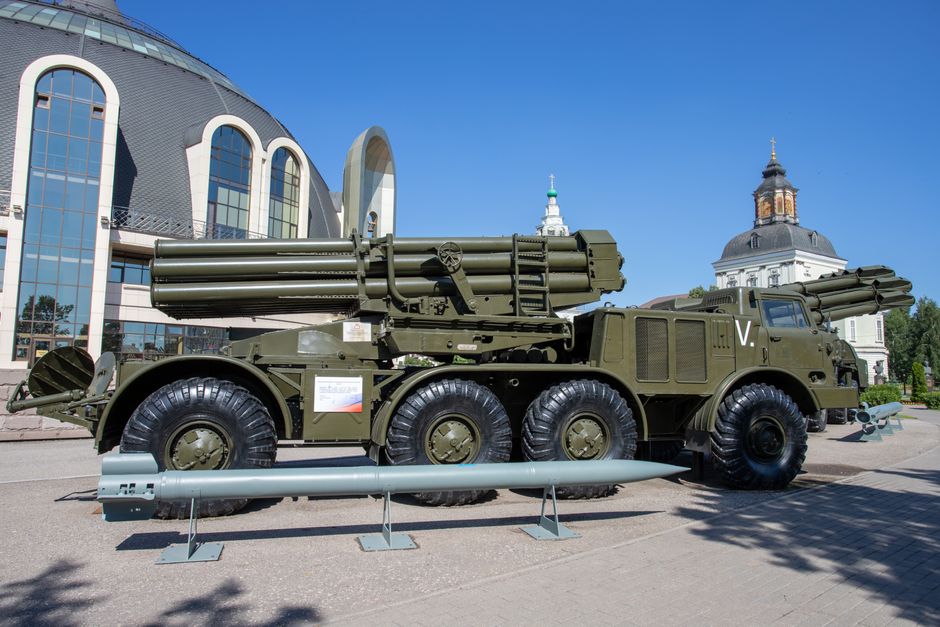
The political context is, of course, the brutal, grinding reality of Russia’s full-scale invasion of Ukraine, now well into its third year. Missile and drone barrages against Ukrainian cities are a grim routine, each accompanied by competing narratives regarding targets, damage, and justification. Russia consistently frames its strikes as responses to Ukrainian actions, or as targeting legitimate military infrastructure. Ukraine, conversely, reports widespread damage to civilian areas, the loss of life, and the indiscriminate nature of these attacks. The stage, then, was set for another round in this deeply entrenched war of words, where the facts on the ground often feel secondary to the story being told.
What landed
What “landed” in this particular communication was the sheer confidence of the assertion. Russia, via RT.com, didn’t hedge. It wasn’t a tentative suggestion or a nuanced admission. It was a firm declaration of a “new large-scale missile and drone attack” with a specific, militarily justifiable target: “military sites in Kiev.” The phrasing itself seeks to convey competence, precision, and strategic intent.
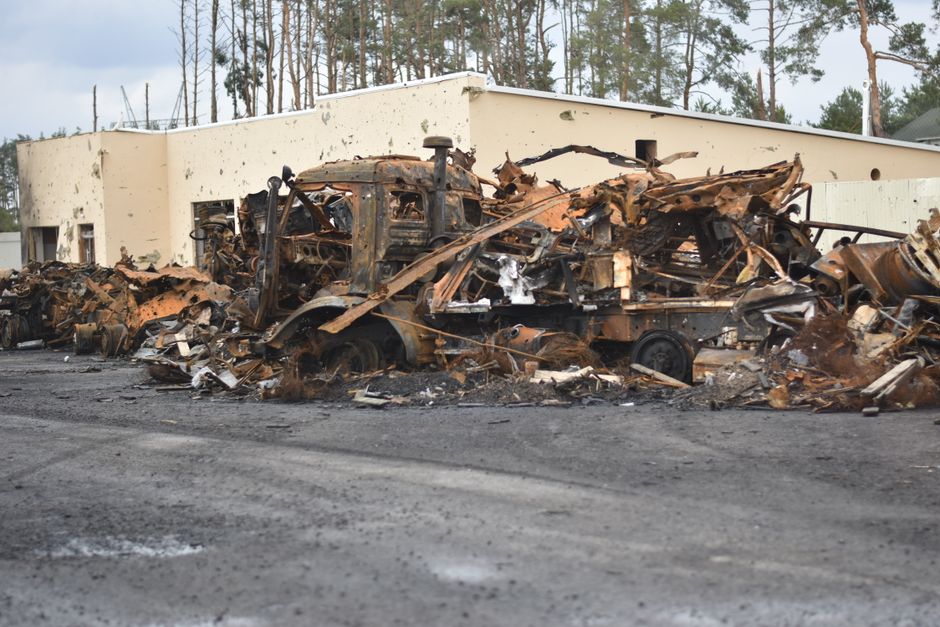
The emphasis on “large-scale” suggests a significant, impactful operation, designed to project strength and resolve. The focus on “military sites” is crucial, as it provides the veneer of legitimacy for such actions under international law, sidestepping the uncomfortable implications of civilian casualties or damage to civilian infrastructure that often accompany these barrages. It’s a statement crafted to resonate with an audience willing to accept the official line, presenting a clear, unassailable rationale for the violence unleashed. One might almost admire the efficiency of a military operation so precise in its targeting that it leaves no specific trace for public consumption, save for the broad assertion itself.
What doesn’t add up
And here, regrettably, is where the wheels begin to wobble on this meticulously constructed narrative. The most glaring omission, the elephant in the newsroom, is the conspicuous absence of detail. Russia asserts it hit “military sites.” But *Which* military sites? The specific names, coordinates, or even general locations of these alleged targets remain unmentioned in the summary provided by RT.com. This lack of specificity is less an oversight and more a strategic vacuum, designed to be filled by assumption rather than evidence.
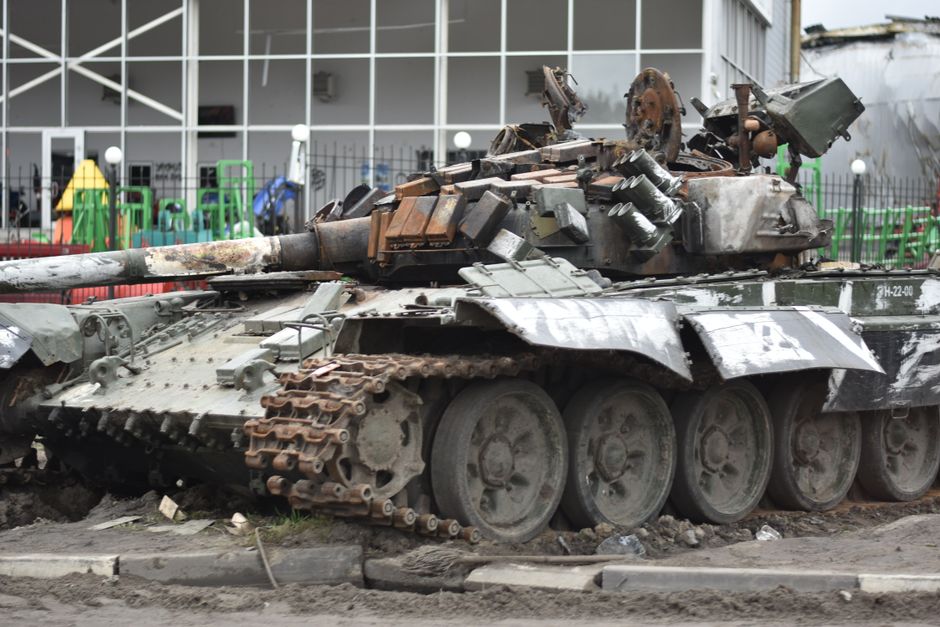
This vagueness creates a convenient escape hatch. Should independent reports, or indeed Ukrainian authorities, later detail strikes on residential buildings, hospitals, or power stations, the official Russian line can pivot. “Those were not the ‘military sites’ we referred to,” one can almost hear the unsaid implication, leaving ample room for plausible deniability. It’s a familiar pattern, one that frequently sees Russian claims of precision targeting juxtaposed against a stark reality of widespread destruction that often includes civilian casualties. Past statements from Moscow, invariably asserting the targeting of “military infrastructure,” have often been quickly contradicted by photographic evidence and on-the-ground reports from international observers, painting a very different picture of the impact. The tension between Russia’s consistent claims of surgical precision and the documented aftermath of its attacks remains a persistent, troubling contradiction.
The source itself, RT.com, also warrants a moment of skeptical reflection. As a state-controlled media outlet, its primary function is to disseminate Moscow’s perspective, not necessarily to provide an unvarnished account of events. While it dutifully reports Russia’s claims, it is less likely to question them or to foreground conflicting evidence. This isn’t a critique of the outlet’s journalistic intent, but a necessary acknowledgement of its inherent bias and role in the broader information landscape. The framing of the attack as a “retaliatory barrage,” as suggested by the headline, also plays into a well-worn narrative, implying that Russia’s actions are always reactive, always justified by a prior Ukrainian provocation. It’s a classic move in the geopolitical chess game, designed to shift responsibility and maintain an image of defensive, rather than aggressive, action.
Come Monday morning, what changes, beyond the grim statistics of another night under fire in Kiev? The information war continues unabated. The Russian claim, however vague, will be assimilated into the narratives of its supporters. For the rest of the world, particularly those committed to understanding the truth on the ground, the immediate task will be to sift through the fog of war, to compare this confident assertion with the inevitable reports emerging from Ukraine, and to ask once more: *Which* targets, exactly, were hit? The answer, as ever, will likely be found in the rubble, not in the rhetoric.
Source: OnTheRecord