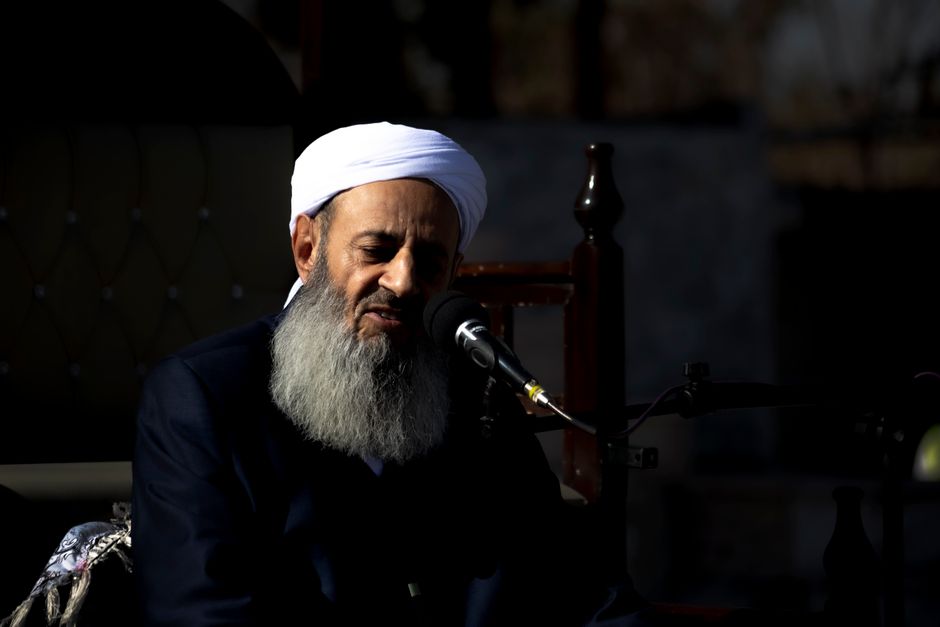
Another week, another curated snapshot of global events, carefully arranged to give us a digestible view of a world perpetually in motion. But when the death of a powerful spiritual leader in the **Middle East** is just another photo op alongside jubilant anniversaries and sporting spectacles, one has to ask: are we really seeing the full picture, or just the one we prefer?
According to The Guardian’s recent “week in 20 pictures” summary, the past seven days encapsulated everything from the funeral of Iran’s Ali Khamenei to the US’s 250th anniversary celebrations, a brutal European heatwave, and ongoing World Cup fervor. It’s a dizzying montage, yet some images carry far heavier geopolitical weight than others.
The Shifting Sands of the Middle East
The passing of Ali Khamenei is not merely a footnote in a global photo album; it is a seismic event for the **Middle East** and, by extension, the world. For decades, Khamenei served as Iran’s Supreme Leader, the ultimate arbiter of power, guiding the Islamic Republic through wars, sanctions, and internal strife. His funeral, therefore, marks the end of an era and the beginning of an intensely uncertain transition.
This isn’t just about a religious leader; it’s about the future of a nation that sits at the crossroads of global energy supply and regional conflict. The succession process in Iran is notoriously opaque, often involving intricate negotiations and power plays among the clerical establishment and military factions. Speculation immediately turns to who will step into his shoes and whether they will maintain his hardline stance or usher in a new, perhaps more pragmatic, chapter. This succession could reshape everything from Iran’s nuclear ambitions to its relationship with proxies across the Levant and its enduring antagonism with the United States and its allies.
Beyond the Headlines: The Real Stakes in the Middle East
While the world might prefer to celebrate the US’s quarter-millennium or the drama of a World Cup match, the power vacuum in Tehran demands serious, sober attention. The mainstream narrative often frames Iran as a monolithic threat, yet Khamenei’s death introduces a complex internal dynamic that could either stabilize or further destabilize an already volatile region. Consider the hypocrisy: Western powers often call for “regime change” or “moderation” in Iran, but the reality of a leader’s death forces uncomfortable questions about what they *actually* want. Do they prefer a predictable adversary, however hostile, or the unpredictable chaos of an internal struggle?
The stakes are immense. Any significant shift in Iran’s leadership could ripple across Iraq, Syria, Lebanon, and Yemen, impacting proxy conflicts and regional alliances. Furthermore, the future of the Iran nuclear deal, already a delicate balance, hangs precariously in the balance. Will a new leader seek rapprochement or double down on confrontation? The answer will have direct implications for global oil prices, international security, and the ongoing diplomatic efforts by the US and UK. It’s easy to dismiss the **Middle East** as a distant problem, but its geopolitical tremors invariably reach every corner of the globe.
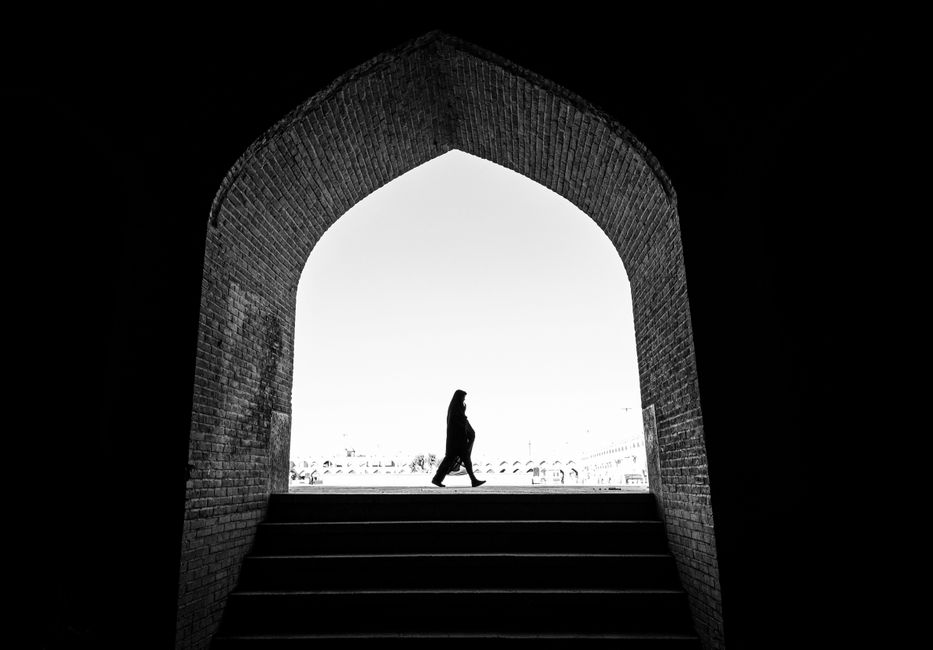
Let’s not forget the ordinary Iranians who now face an uncertain future. Their aspirations for economic stability and greater freedoms are often caught between the rigid ideology of their rulers and the punitive sanctions imposed by external powers. Any leadership transition offers a glimmer of hope, however faint, for internal reform or, conversely, the risk of greater repression as the regime consolidates power. While Western media might be captivated by the spectacle of sporting events or national pride, the quiet machinations within Iran’s power structure deserve far more than a passing glance. The consequences will be felt long after the final whistle blows at the World Cup.
Source: Guardian Middle East