
AI disarmament Power frames the debate here: The relentless march of technology seems to be a double-edged sword, and few understand this better than Pope Leo, who recently warned that a “culture of power” is guiding the rise of artificial intelligence. For those who think technology is purely a tool for progress, this warning should serve as a cold splash of reality. The Pope’s critique isn’t just about how advanced AI can be; it’s about who is wielding that power and to what end.
According to The Guardian, Pope Leo delivered his remarks during a recent address, highlighting the dangers of letting a select few control the rapidly evolving landscape of technology. His concerns echo a growing unease among many experts about the implications of AI, especially as it becomes more integrated into our daily lives.

The Dangers of a Power-Driven Technology
This moment is crucial for us. The Pope’s commentary arrives in the midst of an accelerating technological revolution where artificial intelligence is not just reshaping industries but also influencing societal norms and personal freedoms. With tech giants and governments alike racing to harness AI’s potential, questions about who gets to dictate its future are more pressing than ever. The likes of Silicon Valley are often motivated by profit, not public good. Revelations about user data exploitation and algorithmic biases highlight how power can corrupt the very innovations that promise to elevate humanity.
Pope Leo’s perspective should not be dismissed as mere religious rhetoric. Instead, it should prompt us to examine the intersection of power and technology more critically. One cannot ignore the fact that the most significant advancements often come with the greatest risks, particularly when dominated by a handful of corporations. It raises an uncomfortable truth: can we trust these entities to prioritize ethical considerations over profits?
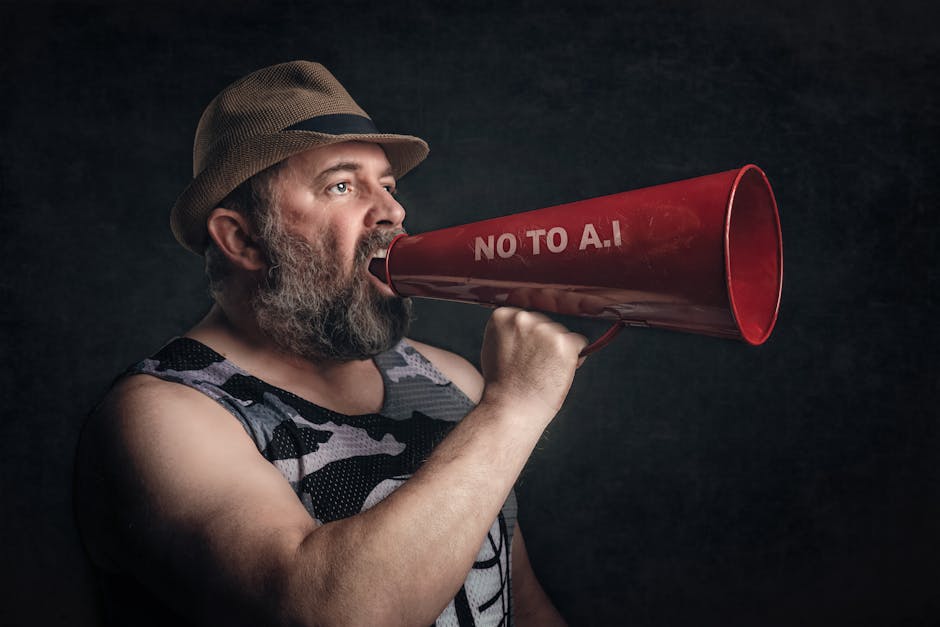
Who Wins and Who Loses in the Tech Game?
The stakes are astronomical. If we allow a “culture of power” to dictate our technological trajectory, we could potentially see a world where decisions made by algorithms overshadow human judgment. Imagine a future where a few tech titans hold the keys to not just our data but our very decision-making processes.
However, the mainstream discourse around technology often focuses on the benefits while downplaying the potential perils. Acknowledging the dark underbelly of AI—like job displacement, surveillance, and systemic inequality—doesn’t make one anti-technology; it makes one a realist. If we don’t challenge the prevailing narratives and hold those in power accountable, we risk losing not just our privacy but the essence of humanity itself.

So who truly benefits from the rise of technology? It’s hard to see how the average citizen emerges as a winner when the algorithms ruling our lives are crafted by a select elite. As we lean into AI’s potential, will we ensure that it serves the many rather than the privileged few? Or will we look back in horror at a future where the technological landscape is suffocated under a single, unyielding culture of power?
As we move into this brave new world, one must ask: Can we navigate the treacherous waters of technology without losing our moral compass? The question lingers, demanding an urgent response.
That tension around AI disarmament pope is not going away.
Observers say AI disarmament pope will shape the debate for months.
That tension around AI disarmament Warns is not going away.
That tension around AI disarmament Power is not going away.
Source: Google — Technology & AI