
There’s a subtle arrogance that often creeps into positions of power, a casual disregard for the public that manifests in the smallest, most infuriating ways. This week, an image from **Rajasthan** perfectly encapsulated that disdain, sparking a furious debate about accountability and respect within public service. It wasn’t a grand scandal, but a moment so mundane, so dismissive, it struck a nerve across the nation.
According to The Times of India, a woman constable at Bichhiwara Police Station in Rajasthan was suspended after a photograph went viral showing her with her feet propped casually on a desk. This happened while an elderly man stood waiting, presumably to file a complaint, his face a picture of quiet deference contrasting sharply with her relaxed posture. The incident quickly ignited public anger, putting police conduct under uncomfortable scrutiny.
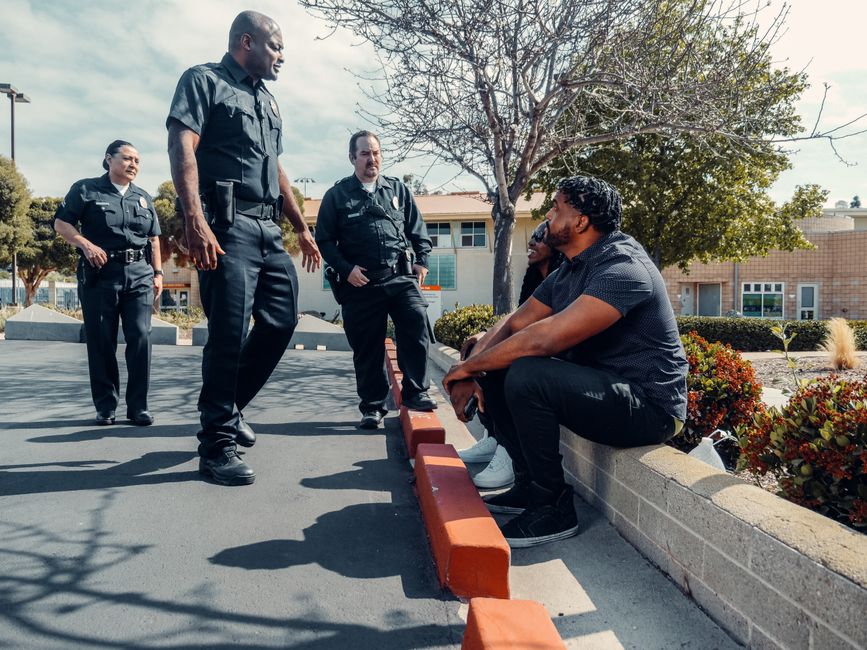
The State of Policing in Rajasthan
This isn’t merely about one officer’s bad day or poor judgment; it’s a symptom of a much larger malaise. The police force, in **Rajasthan** and elsewhere, is meant to be a pillar of public service, a symbol of order and assistance. Instead, many citizens encounter an institution that too often feels aloof, inaccessible, or even intimidating. This viral photo perfectly illustrates that chasm between expectation and reality.
The elderly man, a vulnerable citizen, was seeking help from the authorities. His posture and the constable’s starkly highlight a profound power imbalance. Such instances erode the already fragile trust between the public and the very forces sworn to protect them. It suggests a culture where convenience trumps courtesy and duty often takes a backseat to comfort.
This incident, captured at a police station, speaks volumes about the institutional environment. Does this behavior stem from individual hubris, or is it tacitly condoned within the daily operations of such establishments? The public reaction wasn’t just outrage at one person; it was a collective sigh of frustration at a recurring theme of perceived disrespect from those in uniform.
Beyond the Suspension: What This Rajasthan Incident Really Shows
The immediate suspension of the constable, while a swift administrative action, feels like a predictable knee-jerk response. It’s a move designed to douse public anger, a quick fix that offers the illusion of accountability without necessarily addressing deeper systemic issues. Indeed, such rapid action often serves more as a public relations exercise than a genuine commitment to reform.

We must ask ourselves: Is this an isolated incident of individual misconduct, or is it a reflection of a broader, unchecked culture within the police force? The mainstream narrative will likely focus on the errant constable, framing her as an anomaly. However, Waqya.com pushes for a more critical view, suggesting that such casual displays of disrespect are often nurtured in environments where oversight is weak and public interaction is seen as a burden, not a duty.
Who wins here? The public, briefly, by witnessing a consequence for poor service. The authorities, by demonstrating a superficial commitment to discipline. But who loses? Potentially the constable, whose career might be derailed, but more significantly, the fundamental trust in the police if this becomes just another forgotten headline. This incident, while small, throws a harsh light on the need for continuous training in public conduct, empathy, and professional ethics. Without addressing the underlying cultural issues, similar incidents are bound to resurface, further chipping away at public confidence in the state’s guardians.
True reform demands more than just punitive measures for viral missteps. It requires introspection, a critical evaluation of training protocols, and a renewed emphasis on the basic tenets of public service. Will this image serve as a catalyst for genuine change in **Rajasthan**, or simply be another fleeting moment of indignation swiftly forgotten? The answer lies in whether the authorities choose to look beyond the immediate optics and confront the uncomfortable truths about the public face of law enforcement.
Source: The Times of India