
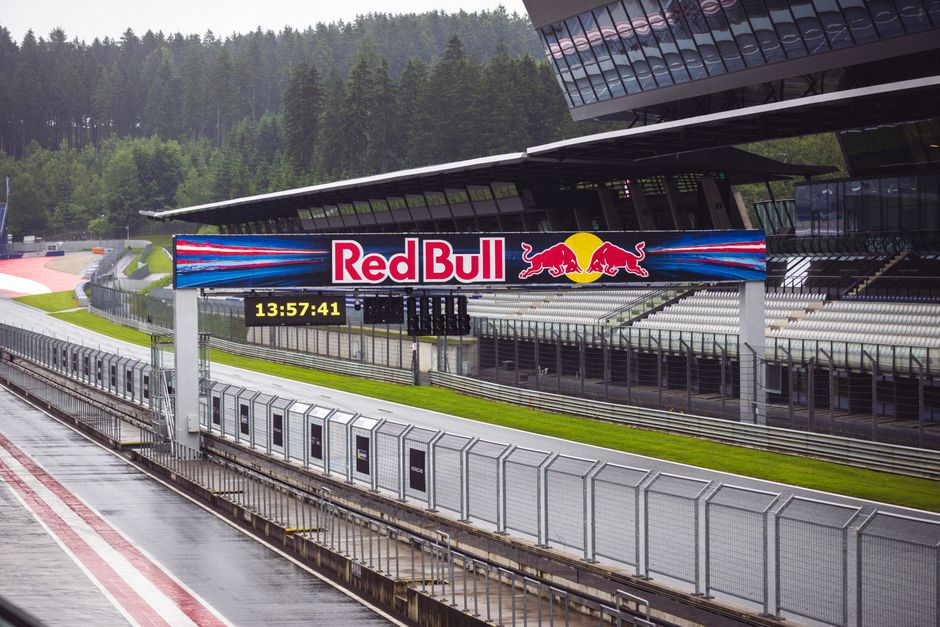
The Austrian Grand Prix has just been declared a heat-hazard race, a stark reminder that even the most meticulously planned events can be derailed by the unpredictable forces of nature, and the Austrian landscape is no exception. According to BBC, this decision was made by Formula 1’s governing body, the FIA, in response to the intense heatwave gripping the region. As a result, the Austrian Grand Prix will now be subject to special precautions to ensure the safety of drivers and spectators alike.
The heatwave has been causing widespread disruptions across Europe, and the Austrian Grand Prix is just the latest event to be affected. However, this development also raises important questions about the impact of climate change on international sporting events, and the measures that can be taken to mitigate these effects.

The Austrian Context: Heatwaves and Sporting Events
The Austrian Grand Prix is a premier international sporting event, attracting thousands of spectators and worldwide attention, and the decision to declare it a heat-hazard race is a significant one. In fact, the Austrian region has been experiencing increasingly frequent and severe heatwaves in recent years, highlighting the need for event organizers to be prepared for such situations. The FIA’s decision to take proactive measures to ensure the safety of participants and spectators is a welcome one, and sets an important precedent for other international sporting events.
Meanwhile, the impact of climate change on international sporting events is a growing concern, and the Austrian Grand Prix is just one example of how these events can be affected. As the world continues to grapple with the challenges of climate change, it is likely that we will see more events like the Austrian Grand Prix being declared heat-hazard races, and it is essential that event organizers and governing bodies are prepared to respond.
The Broader Implications for Austrian Sporting Events
The declaration of the Austrian Grand Prix as a heat-hazard race has significant implications for the future of sporting events in the Austrian region. As the frequency and severity of heatwaves continue to increase, it is likely that we will see more events being affected, and it is essential that event organizers and governing bodies are prepared to respond. The Austrian government and sporting authorities will need to work together to develop strategies for mitigating the impact of heatwaves on sporting events, and ensuring the safety of participants and spectators. In the context of the current heatwave, the Austrian Grand Prix is a crucial test case for the effectiveness of these strategies, and the outcome will have important implications for the future of Austrian sporting events.
In conclusion, the declaration of the Austrian Grand Prix as a heat-hazard race is a significant development that highlights the impact of climate change on international sporting events. As the world continues to grapple with the challenges of climate change, it is likely that we will see more events like the Austrian Grand Prix being affected, and it is essential that event organizers and governing bodies are prepared to respond. The Austrian region will be closely watched in the coming days, as the outcome of the Austrian Grand Prix will have important implications for the future of sporting events in the region.

Source: BBC Top Stories