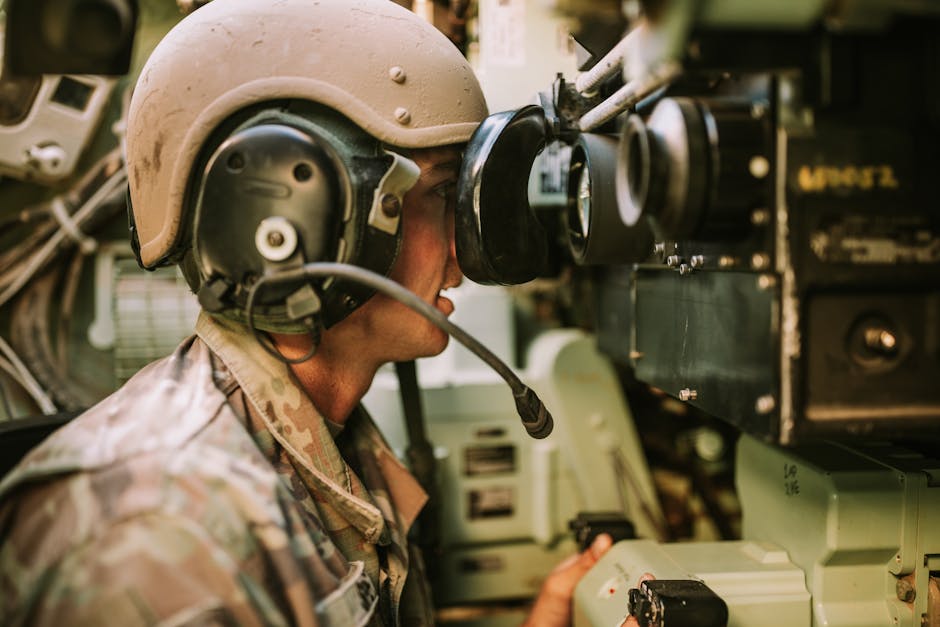
The rush to integrate technology into warfare is all but a harbinger of chaos. As the Pentagon pushes for battlefield AI, the stakes have never been higher, yet some military leaders are waving red flags. Are we entering a realm where algorithms decide who lives and who dies?
According to the Pittsburgh Post-Gazette, military leaders are expressing caution over the rapid deployment of artificial intelligence in combat scenarios. They warn that without careful oversight, the implications of relying on machines for critical decision-making could be dire.
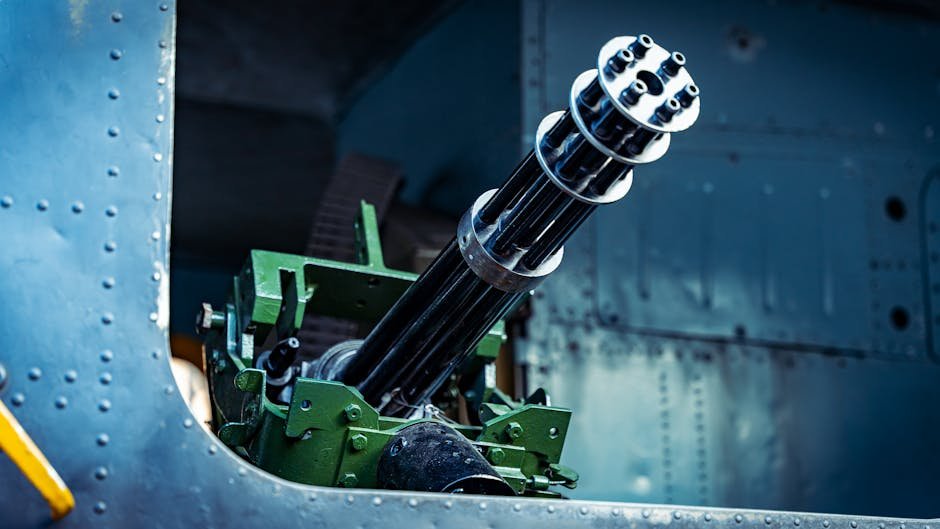
The Technology Tipping Point
This debate arrives at a pivotal moment. With global tensions rising and military budgets ballooning, the U.S. Defense Department aims to leverage technology to stay ahead. While the promise of AI is tantalizing — drones that can autonomously navigate enemy territory, robots that can adapt in real-time — the potential for catastrophic errors looms large. Critics argue that rushing into this technological frontier without addressing ethical questions is reckless. They remind us that technology must be tempered with human judgment, especially in matters of life and death.
The players in this drama are not just military commanders. They include tech giants and defense contractors eager to profit from the latest advancements. As the arms race shifts from steel and gunpowder to code and algorithms, the intertwining of technology and warfare raises uncomfortable questions about accountability and responsibility. If AI miscalculations lead to civilian casualties, who will be held accountable? The general commanding the operation or the engineers who designed the software?
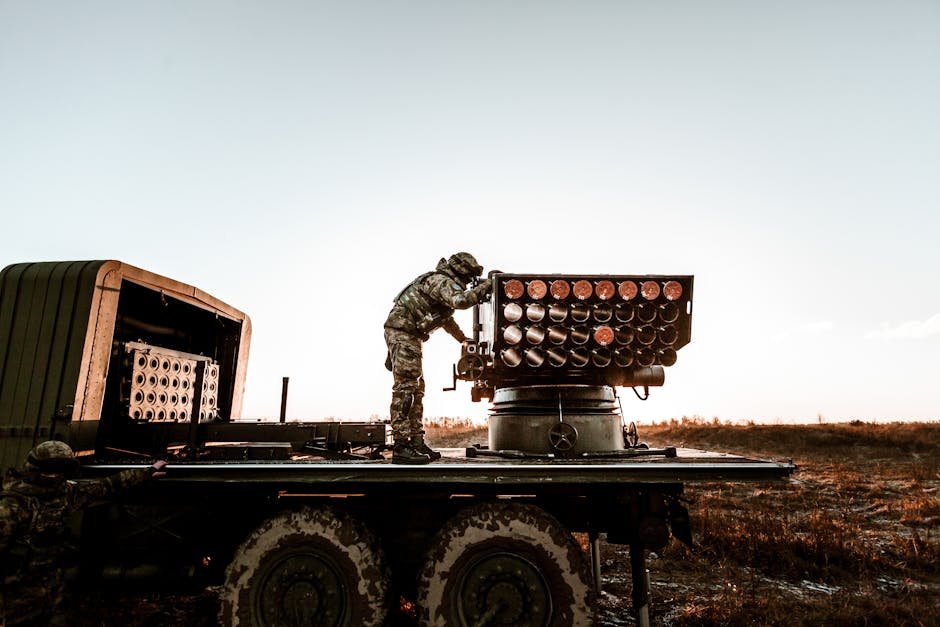
The Hot Take: A Double-Edged Sword
The push for battlefield AI could be a double-edged sword. On one hand, technology holds the promise of increased efficiency and decreased casualties on the side of the operator. However, the possibility of malfunction or misinterpretation of data could spell disaster. Imagine automated drones mistaking a friendly unit for an enemy target—an all too real risk that many military leaders are now contemplating.
Moreover, the mainstream narrative often highlights the potential benefits of technology, but what about the ethical implications? We are not just automating decisions; we are redefining the meaning of warfare itself. This could lead to a scenario where war becomes a game played with algorithms, devoid of the human empathy that ought to govern it. The drive for efficiency could quickly turn into a utilitarian nightmare, where collateral damage becomes just another statistic on a report to Congress.
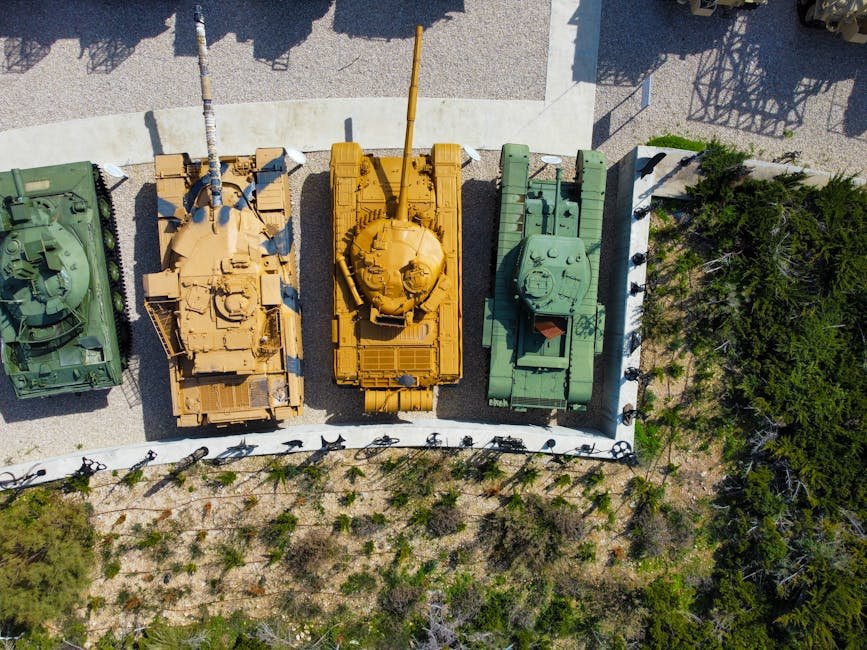
This isn’t a question of whether technology can enhance our military capabilities; it’s about how far we’re willing to go down this path. We must consider what it means to place life-or-death decisions in the hands of machines. The potential for misuse, hacking, or unintended consequences is astonishing. The military-industrial complex may be salivating at the prospect of a tech-driven battlefield, but they must tread carefully.
The clock is ticking, and as the Pentagon races to adopt technology, military leaders’ cautious voices must not be drowned out by the allure of innovation. The integration of AI in warfare is not just a strategic decision; it’s a moral one that could redefine the very fabric of our society.
In a world where battlefield decisions are as quick as a click of a mouse, the question remains: are we truly ready to trust machines with the most critical human judgment of all? The answer may shape the future of warfare—and humanity itself.
Source: Google — Technology & AI