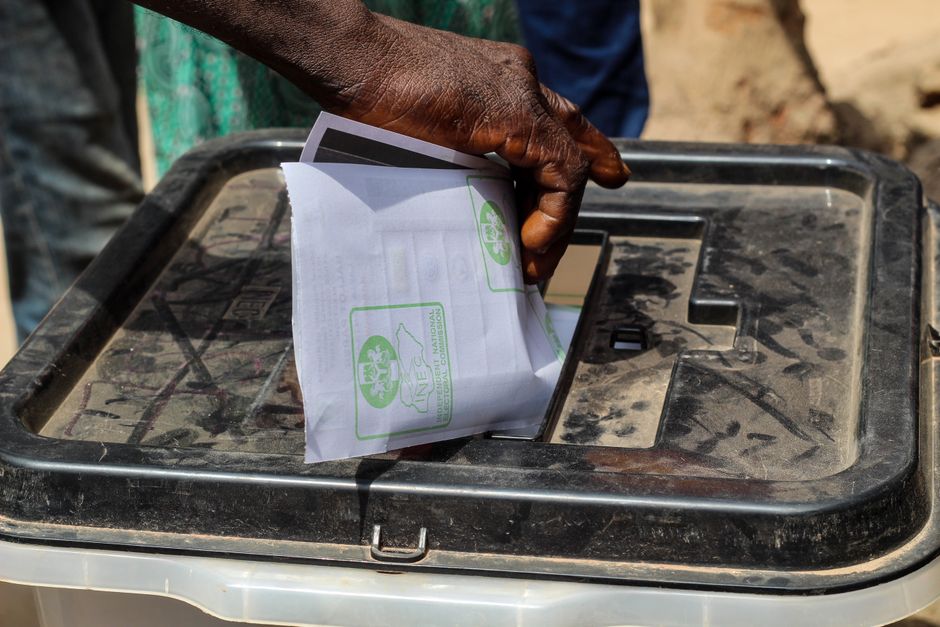
The echoes from the Ibadan meeting still reverberate, posing a critical question for Nigeria’s political future and whether its opposition can finally find common ground.
Few political commentators in Nigeria boast a vantage point as seasoned as Kola Ologbondiyan. As a former National Publicity Secretary of the Peoples Democratic Party (PDP) and now a Special Adviser on Media and Publicity, Ologbondiyan has witnessed the dizzying dance of alliances and betrayals that define Nigerian politics. In a recent interview with Vanguardngr.com, he offered his perspective on the perpetually discussed, yet rarely materialized, grand alliance between key opposition figures: Atiku Abubakar, Peter Obi, and Rabiu Kwankwaso.

His intervention comes at a crucial juncture, with the 2027 general elections already casting a long shadow, and the incumbent administration seeking to consolidate its position. The question isn’t merely one of political strategy, but of the very shape of democratic competition in Africa’s most populous nation. Ologbondiyan’s take is both a reflection on past opportunities and a forward-looking challenge to the opposition to learn from history.
What landed
Ologbondiyan’s primary assertion, that the opportunity for a grand alliance still exists, lands with a welcome note of encouragement for those yearning for a more formidable opposition. His long career provides him with a unique lens through which to view Nigeria’s political landscape, and his experience lends weight to his assessment. It’s not merely a hopeful wish, but a statement from someone who understands the intricate machinery of party politics and the art of negotiation. He clearly believes that the lessons from past electoral outings, particularly those that culminated in the Ibadan discussions, are not lost on the principal actors.
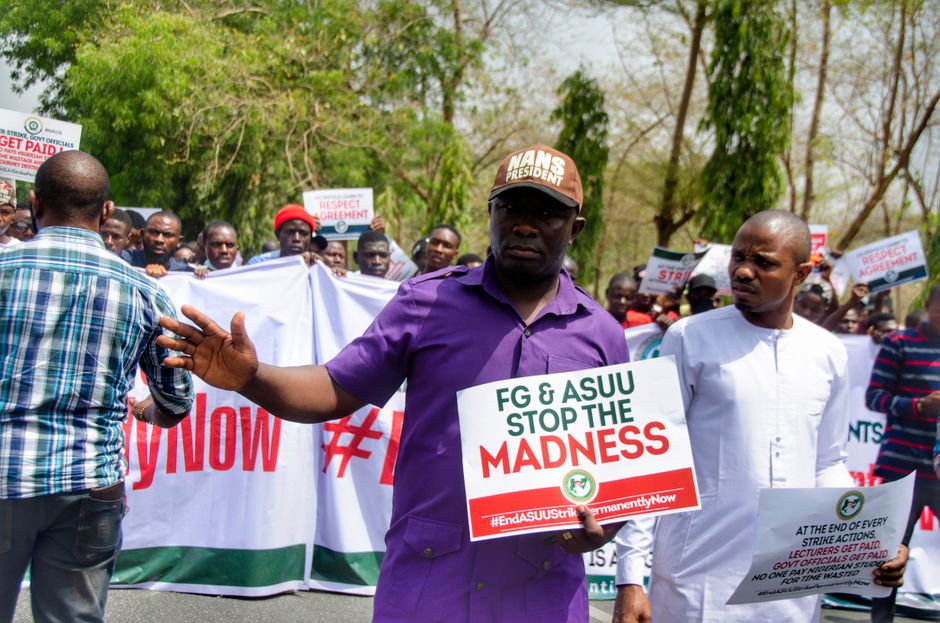
One has to commend Ologbondiyan’s enduring faith in the political process, and his steadfast belief that a path to unity, however fraught, remains open. It’s an encouraging perspective, particularly for those weary of a fragmented opposition that often seems to snatch defeat from the jaws of potential victory. His view, as reported by Vanguardngr.com, suggests that the political calculus of self-preservation and collective strength could still converge, creating a potent force capable of challenging the status quo. He frames the possibility not as a pipe dream, but as a strategic imperative, acknowledging the necessity of a united front to effectively compete. This call to action, emanating from a figure so intimately familiar with the PDP’s inner workings, carries a certain gravitas, pushing the narrative beyond mere speculation into the realm of actionable political thought. He offers a vision of what *could* be, rather than merely lamenting what *hasn’t* been.
What doesn’t add up
While Ologbondiyan’s optimism is certainly encouraging, his assessment of the *continued* opportunity for a grand alliance, despite the profound historical hurdles, warrants a healthy dose of skepticism. It’s easy to declare an opportunity still open, but far more challenging to detail the specific compromises and ego-subsuming concessions that would be required from figures like Atiku, Obi, and Kwankwaso – all of whom have substantial personal ambitions and distinct political bases. The very idea of an alliance, while conceptually appealing, has been the undoing of countless opposition efforts in Nigeria, often due to the reluctance of individual leaders to cede ground.
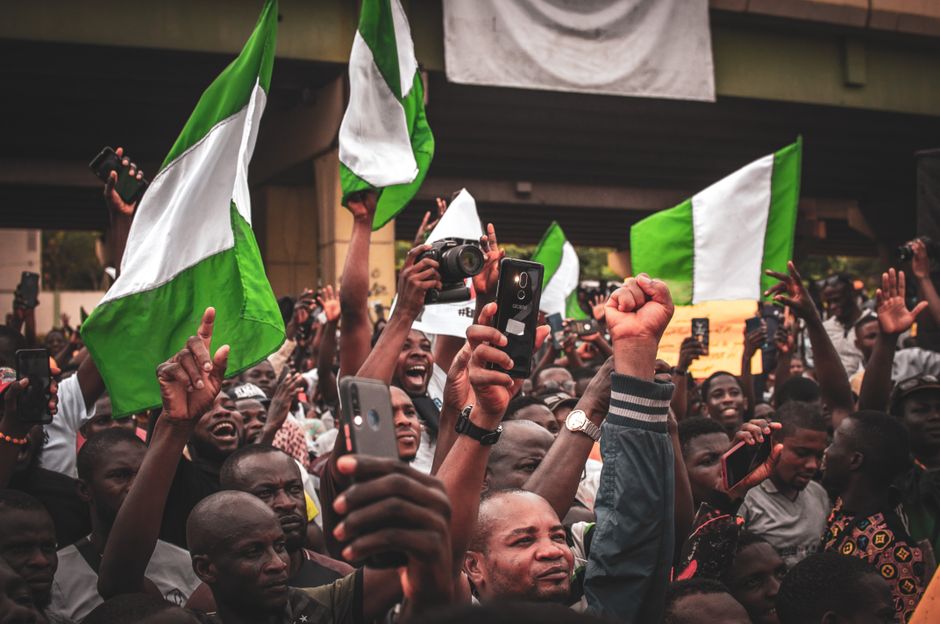
The interview, as summarized, doesn’t delve into the practical mechanisms or specific concessions that would make such a grand alignment viable. Is this a genuine analytical projection, or a strategic nudge from a veteran political operator seeking to keep the idea alive and perhaps influence future decisions? One might wryly observe that calls for opposition unity are as perennial as the harmattan haze in Nigeria, yet the outcome often remains disappointingly similar. The inherent contradiction lies between the stated political necessity of unity and the deeply ingrained personal ambitions that frequently override it. Ologbondiyan’s analysis, while accurate in identifying the *potential*, might be seen as sidestepping the formidable *probability* of individual self-interest once again trumping collective good. He outlines the ‘what’ but leaves the crucial ‘how’ largely unaddressed, which, for seasoned observers, remains the perpetual stumbling block.
Ultimately, Ologbondiyan’s call for a grand alliance, while rooted in experience and a clear understanding of the political landscape, faces the same Monday morning reality that has plagued past attempts. Will the principal actors heed this encouragement and finally prioritize collective strength over individual aspirations? The fate of Nigeria’s opposition, and indeed the vigour of its democratic contest, hinges on whether the potential discussed in Ibadan can transcend theoretical possibility and become a practical reality. The ball, as they say, is now firmly in their court.
Source: OnTheRecord