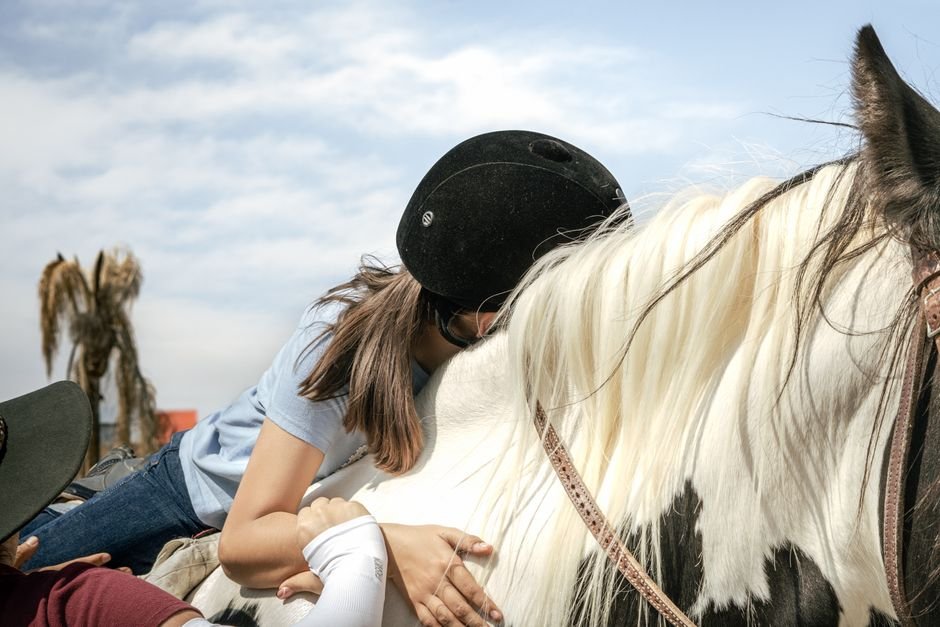
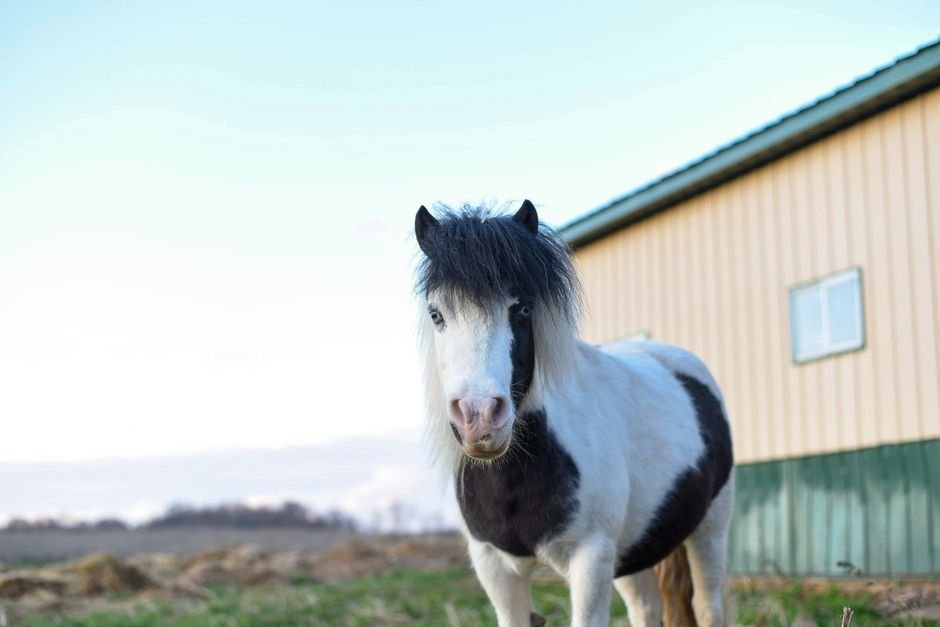
He might be just a miniature horse, but Rusty is making big waves as a therapy animal in London. In a world increasingly desensitized to the plight of others, the idea that a small, four-legged creature can offer comfort and joy raises serious questions about our human connection. How did we reach a point where we need a horse to remind us of the power of compassion and connection in a busy city?
According to BBC reports, Rusty is a pint-sized therapy horse that travels around London in a black cab, bringing joy and relief to those in need. This unusual form of therapy is not just whimsical; it’s a reflection of a broader shift towards unconventional mental health support. As more people struggle with anxiety and loneliness, animals like Rusty serve as beacons of hope in an otherwise isolating urban environment.

Rusty and the Rise of Alternative Therapy
The stakes for mental health are higher than ever as society grapples with the aftermath of a global pandemic and the persistent pressures of modern life. Rusty is not just a cute gimmick; he symbolizes an urgent need for new approaches to therapy. Traditional methods often fail to resonate with everyone, leaving many feeling unheard and unrecognized. Rusty’s arrival offers a fresh perspective, showcasing that help can come in unexpected forms. The fact that he travels in a taxi—a symbol of urban life itself—emphasizes the blending of worlds, where help is just a cab ride away.
But let’s not ignore the skepticism that surrounds the use of animals in therapy. Detractors might argue that a horse is no substitute for professional help. And they have a point: while Rusty brings joy, we must not overlook the necessity of qualified mental health professionals. However, it’s important to recognize that Rusty fills a vital niche. His presence offers immediate emotional relief, bridging the gap between traditional therapy and the need for companionship. In an age of increasing mental health crises, Rusty’s role is both timely and necessary.
Who Wins with Rusty on the Scene?
The real winners in this scenario are the people who find solace in Rusty’s company. Whether it’s children battling anxiety or elderly citizens facing loneliness, he provides a gentle reminder that joy can come in small packages. However, we must also consider what could go wrong. Overreliance on unconventional therapy options could lead to complacency in seeking more comprehensive care. Rusty is a wonderful supplement, but he should not replace the human touch that trained professionals provide.
As we look ahead to the week, let’s focus on what Rusty represents: a call for innovation in our approach to mental health. In a society where the conversation around mental well-being is finally gaining traction, Rusty is an emblem of hope and healing. If nothing else, he pushes the boundaries of how we think about therapy and care, inviting us to explore the unexpected.
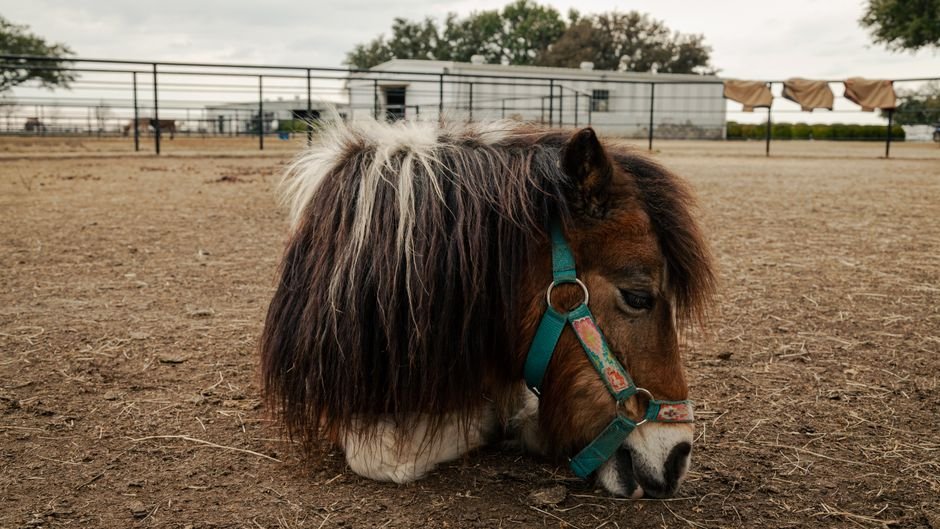
In a world that often feels cold and disconnected, Rusty is a reminder that even a miniature horse can spark profound change. Will he inspire more cities to adopt similar programs, or will he remain a unique oddity in London? Only time will tell, but for now, let’s celebrate the joy he brings and hope that it encourages more unconventional approaches to healing from our emotional wounds.
Source: BBC UK