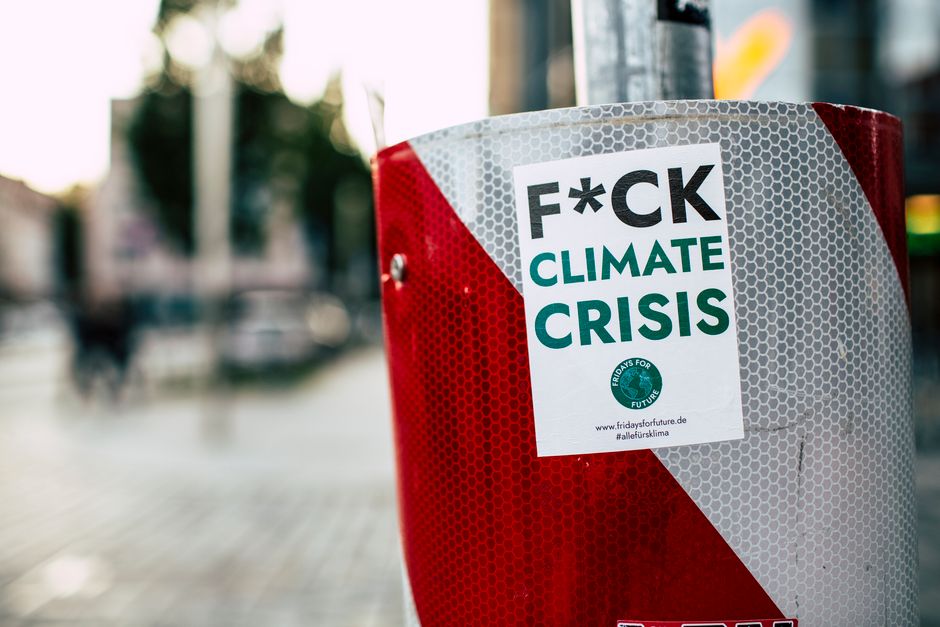
As Europe grapples with a summer of fire and flood, a far more insidious and deliberate suppression of information is unfolding in the heart of British politics. While record temperatures scorch the continent and extreme weather events become the grim new normal, the United Kingdom’s government seems preoccupied with stifling the very truths that demand urgent action. This isn’t merely incompetence; it’s a pattern, a political choice with dire consequences.
According to reporting in The Guardian, the Labour government is facing accusations of intentionally covering up high-level climate reports. This alleged suppression led Caroline Lucas, the former leader of the UK Green Party, to observe starkly that “to cover up 2 looks like a pattern.” The implication is clear: this isn’t an isolated incident but a systematic effort to manage the narrative surrounding the climate crisis.
Britain’s Climate Cover-Up While Europe Burns
The context here is crucial. For years, the UK has presented itself as a leader in climate action, hosting international summits and setting ambitious targets. However, the reality on the ground often tells a different story. The current Labour government, which came to power promising a “green industrial revolution,” now finds itself under scrutiny for actions that appear to contradict its stated ambitions. This isn’t the first time an administration has found it convenient to downplay or delay inconvenient scientific findings.
Indeed, the political calculus behind such moves is often transparent. Climate reports frequently highlight the need for radical shifts in economic policy, industry practices, and public behavior. These changes can be politically unpopular, costly in the short term, and challenge established interests. Therefore, governments, regardless of their declared ideology, can be tempted to soften the blow or, worse, hide the full extent of the challenge.
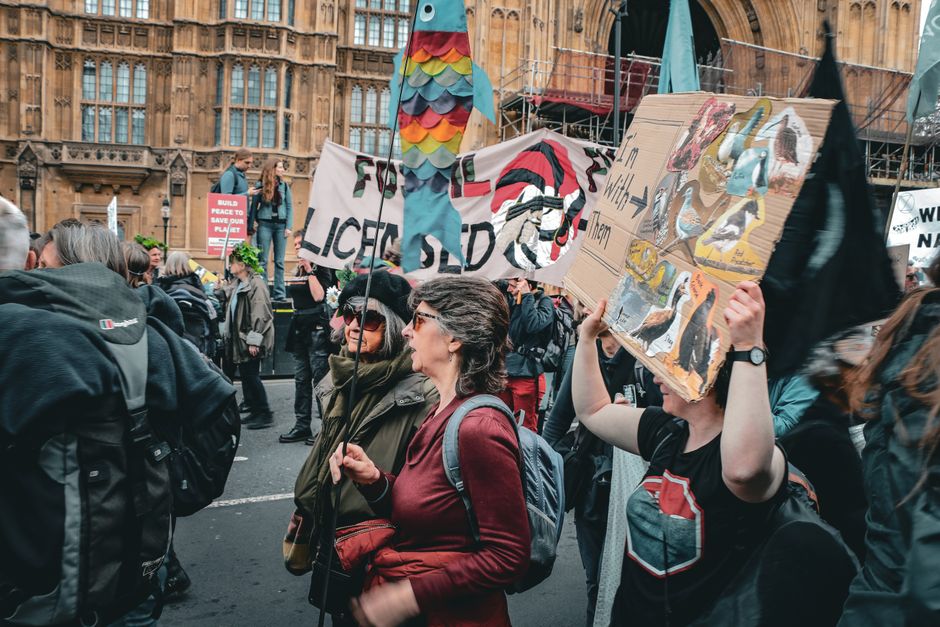
The players are clear: a governing party attempting to navigate complex economic and environmental pressures, and the scientific community trying to convey the urgent reality of the crisis. Meanwhile, the public remains largely dependent on transparent information to make informed decisions and hold their leaders accountable. This alleged pattern of suppression erodes that foundational trust. It transforms what should be a robust, evidence-based policy debate into a murky exercise in political spin.
The Cost of Convenient Silence As Europe Faces the Future
Let’s be blunt: this isn’t just “odd,” as Lucas understatedly put it; it’s a betrayal. When a government actively covers up scientific reports, it’s not just delaying action; it’s deliberately obstructing the public’s right to know and hindering effective governance. Who wins in such a scenario? Certainly not the planet, and definitely not the citizens who will bear the brunt of escalating climate impacts. The immediate beneficiaries are likely those political figures hoping to avoid difficult decisions or powerful industries resistant to change.
The stakes could not be higher. As Europe endures successive heatwaves and extreme weather events, the urgency of clear, unvarnished information is paramount. Yet, if reports are to be believed, the very institutions tasked with guiding us through this crisis are engaged in what amounts to an elaborate charade. This kind of political maneuvering creates a dangerous disconnect between the visible reality of climate change and the policy responses (or lack thereof).
Furthermore, this alleged pattern of suppression chips away at the credibility of democratic institutions themselves. If the public cannot trust their government to be honest about fundamental scientific facts, where does that leave the social contract? It fosters cynicism and apathy precisely when engagement and collective action are most needed. The mainstream narrative often focuses on external climate threats, but this internal subversion of truth is arguably just as dangerous.
A government that hides climate reports isn’t just kicking the can down the road; it’s actively sabotaging the road itself. It sends a chilling message that political expediency trumps scientific consensus and public welfare. The long-term consequences of such actions are far-reaching, from misallocated resources to a public dangerously unprepared for future climate shocks. When the truth is hidden, the ability to formulate effective, robust policy is severely compromised.
We must question why a government, especially one purporting to be progressive, would engage in such behavior. Is it fear of economic backlash? A desire to maintain a facade of control? Or perhaps a deeper, more cynical calculation that short-term political stability is worth the long-term environmental cost? Whatever the motivation, the outcome is the same: delay, obfuscation, and ultimately, greater vulnerability for all.
The time for polite remarks is over. If these allegations hold true, the UK government is playing a dangerous game with its citizens’ future. The fires of climate change are not just burning in distant lands; they are igniting a crisis of truth right here at home.
Source: NewsAPI:q