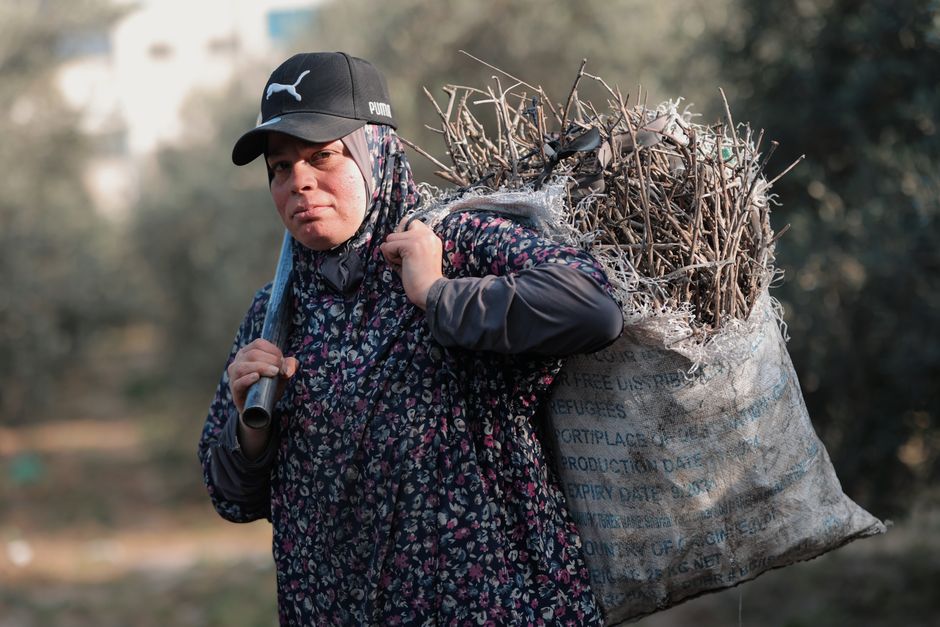
Middle East frames the debate here: The latest escalation in the occupied West Bank has once again put Israel at the forefront of international scrutiny, as footage emerges of Israeli forces setting olive trees on fire in the small Palestinian village of Rummanah. According to Al Jazeera, this incident is just the latest in a long line of tensions between Israeli forces and Palestinian villagers. Meanwhile, the international community is left to ponder the motivations behind such actions, and how they will impact the already fragile relationship between Israel and the Palestinian people.
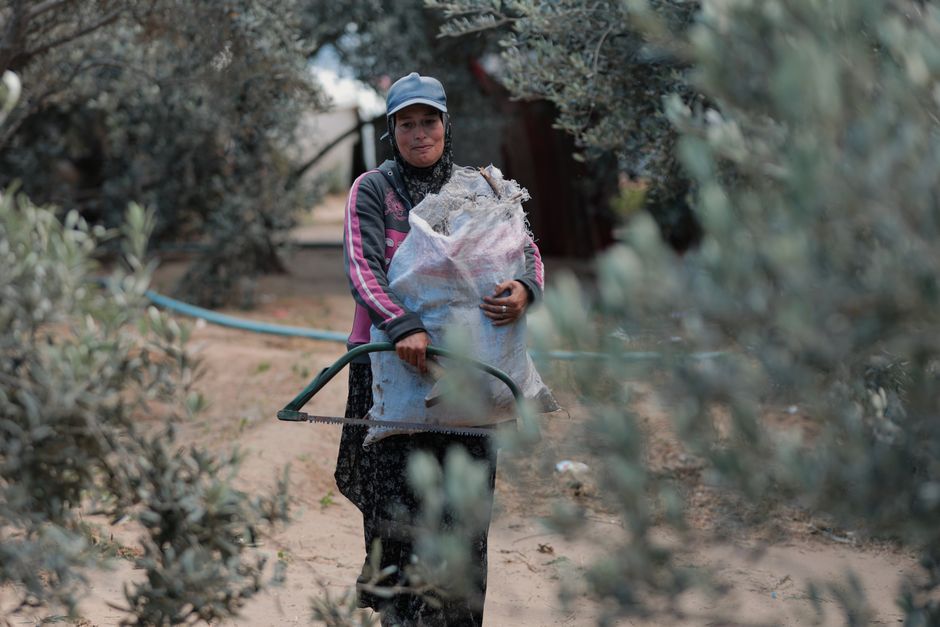
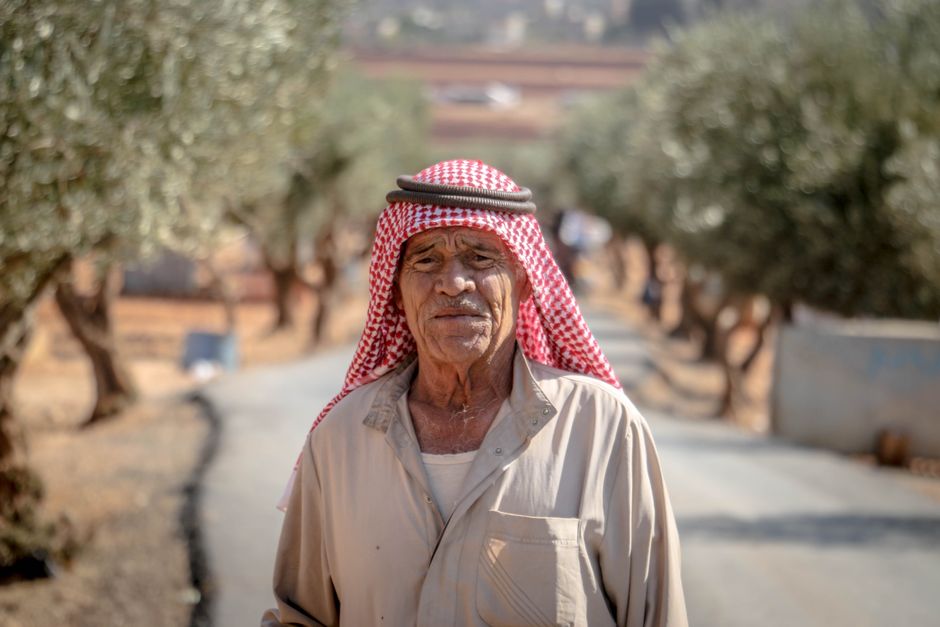
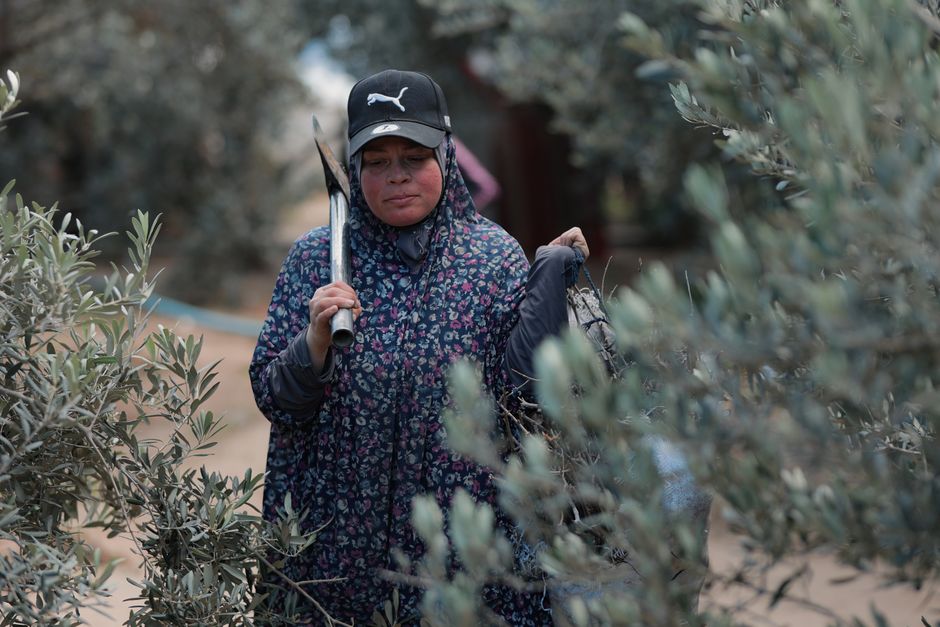
The burning of olive trees is a significant issue, as it not only destroys a vital source of income for many Palestinian families but also serves as a symbol of the ongoing struggle for control over the land. In fact, olive trees have been a staple of Palestinian agriculture for centuries, and their destruction is seen as a direct attack on the Palestinian way of life. As a result, the actions of Israeli forces have sparked widespread outrage and condemnation from human rights groups and international leaders.
Israel and the Occupied West Bank: A History of Tension
The occupied West Bank has long been a source of contention between Israel and the Palestinian people, with issues such as land ownership, resource management, and security being major points of conflict. Israel has maintained a significant military presence in the region, citing security concerns as the primary reason for its actions. However, many Palestinians see this presence as an occupation, and the actions of Israeli forces as a form of oppression. Therefore, incidents like the burning of olive trees serve to further exacerbate tensions and undermine any potential for peaceful resolution.
The use of technology, such as surveillance drones and social media monitoring, has become increasingly prevalent in the conflict between Israel and the Palestinian people. In fact, Israel has been at the forefront of developing and utilizing such technologies, often citing their use as a means of enhancing security and preventing attacks. However, many Palestinians see these technologies as a means of further controlling and suppressing their population, and the burning of olive trees as just one example of the devastating impact that such actions can have.
The Human Cost of Israel’s Actions
The destruction of olive trees has a significant human cost, as it not only affects the livelihoods of Palestinian families but also serves as a reminder of the ongoing struggle for justice and equality in the region. As Israel continues to maintain its presence in the occupied West Bank, it is clear that the actions of its forces will have far-reaching consequences, not just for the Palestinian people, but for the international community as a whole. On the other hand, some argue that Israel’s actions are necessary to ensure the security of its citizens, and that the burning of olive trees is a minor incident in the larger context of the conflict.
Business and Technology in the Service of Israel
The role of business and technology in the conflict between Israel and the Palestinian people is a complex one, with many companies and organizations being drawn into the fray. In fact, many Israeli companies have developed technologies specifically designed for use in the occupied West Bank, such as surveillance systems and border control technologies. However, the use of such technologies has been widely criticized, with many arguing that they serve to further entrench the occupation and undermine the rights of the Palestinian people. As a result, the actions of Israeli forces, including the burning of olive trees, must be seen in the context of a broader struggle for justice and equality, one in which Israel plays a significant role.
In conclusion, the burning of olive trees by Israeli forces is just one example of the ongoing tensions between Israel and the Palestinian people. As the international community continues to grapple with the complexities of this conflict, it is clear that the actions of Israel will have far-reaching consequences, not just for the region, but for the world at large. Therefore, it is imperative that we consider the role of technology, business, and science in this conflict, and how they can be used to promote justice and equality, rather than perpetuate oppression and violence. The question remains, what will be the ultimate cost of Israel’s actions, and how will the international community respond to the ongoing struggle for justice and equality in the occupied West Bank.
That tension around Middle East is not going away.
Source: Al Jazeera