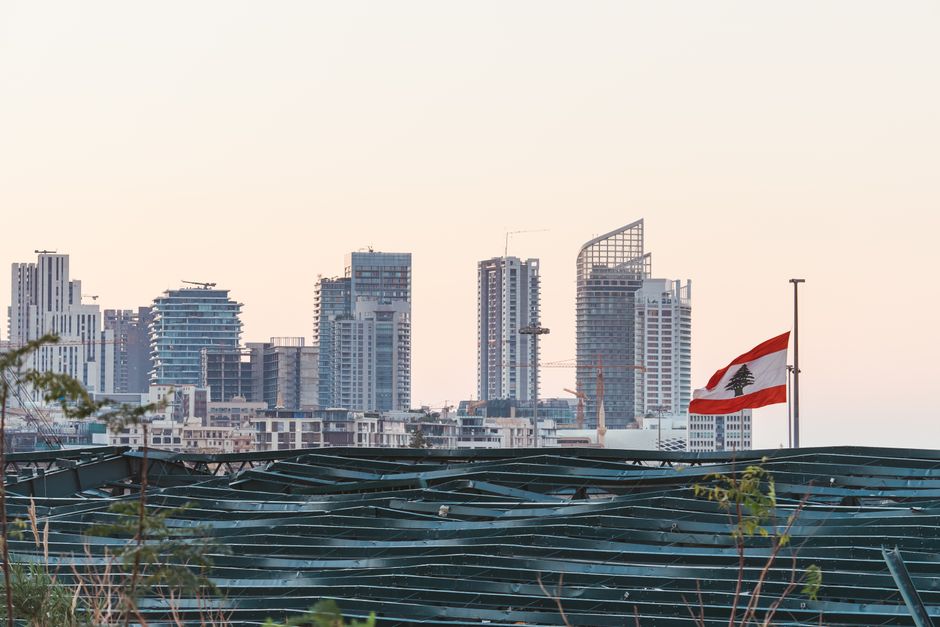
Middle East frames the debate here: As the fragile ceasefire takes hold, one thing is clear: Israel is not backing down. Despite the announcement of a truce with Hezbollah, Israel has vowed to continue operating in southern Lebanon, raising questions about the true intentions of the Israeli military. According to the Guardian Middle East, smoke was seen rising from hills in southern Lebanon shortly after the ceasefire was announced on Friday afternoon.
The recent conflict has been one of the deadliest in months, with 47 people killed in Israeli strikes on one of the most violent days since March. The Israeli army also reported the loss of four of its soldiers. However, this has not deterred Israel from pursuing its goals in the region.
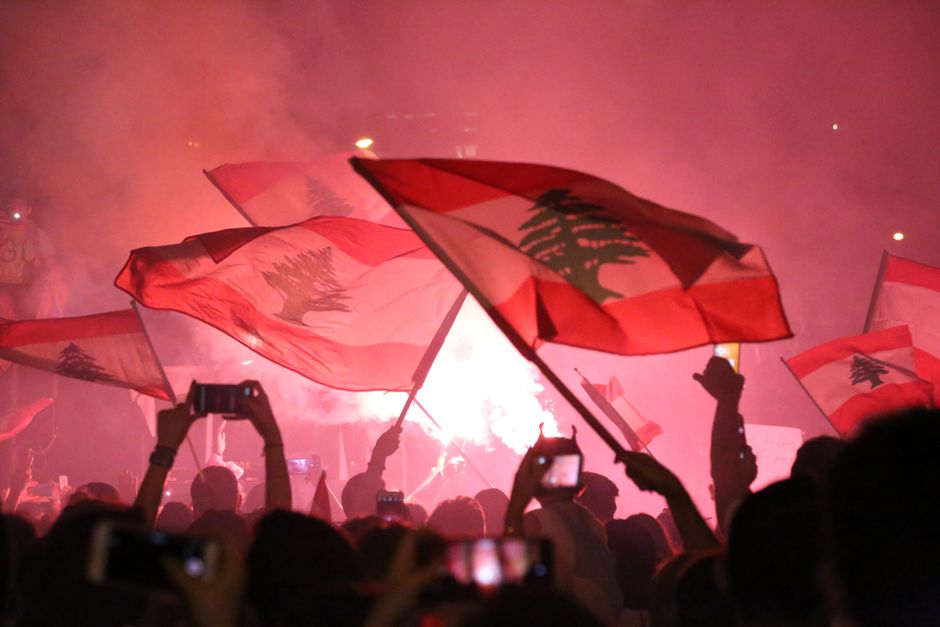
The Israel Conundrum: Ceasefire and Continued Operation
The decision by Israel to continue operating in southern Lebanon despite the ceasefire is a complex issue, with roots in the long-standing conflict between Israel and Hezbollah. Israel has consistently maintained that its actions are necessary to protect its citizens and sovereignty, while others see it as an aggressive move that undermines the fragile peace. The fact that Israel is pushing forward with its operations in southern Lebanon, even after a ceasefire has been announced, underscores the deep-seated tensions in the region.
Meanwhile, the abrupt cancellation of US-Iran talks in Switzerland has added another layer of complexity to the situation, leaving many to wonder what the future holds for the Middle East. As Israel continues to assert its presence in southern Lebanon, it is clear that the path to lasting peace will be fraught with challenges. The role of Israel in the region will be crucial in determining the outcome of the conflict, and its actions will be closely watched by the international community.
Understanding Israel’s Motivations
The motivations behind Israel’s decision to continue operating in southern Lebanon are multifaceted. On one hand, Israel may be seeking to demonstrate its military prowess and deter potential future attacks from Hezbollah. On the other hand, Israel’s actions may be seen as a provocation, designed to test the limits of the ceasefire and push the boundaries of what is acceptable. As the situation continues to unfold, one thing is certain: Israel will remain a key player in the region, and its actions will have far-reaching consequences.
The Human Cost of Israel’s Actions
As the conflict in southern Lebanon continues, the human cost of Israel’s actions must not be forgotten. The loss of life and the displacement of innocent civilians are a stark reminder of the devastating consequences of war. Israel must be held accountable for its actions, and the international community must work towards a lasting solution that prioritizes the safety and well-being of all parties involved. The people of southern Lebanon deserve peace and stability, and it is up to Israel and the international community to ensure that this is achieved. In the end, the true test of Israel’s commitment to peace will be its actions, not its words.
Source: Guardian Middle East