
The Middle East remains a powder keg of geopolitics, and the potential reopening of the Strait of Hormuz may just be the spark that ignites a new chapter of conflict or cooperation. A proposed deal between Iran and the United States reportedly aims to lift sanctions and restore access to this critical waterway, according to Iran’s state media. But is this a glimmer of hope or merely a mirage?
According to CNBC, the deal would see the Strait of Hormuz reopened and sanctions against Iran lifted, a significant shift in the region’s tumultuous dynamics. This comes amid ongoing negotiations that have seen fluctuating tensions between the U.S. and Iran, with both sides grasping for leverage in an increasingly precarious situation.
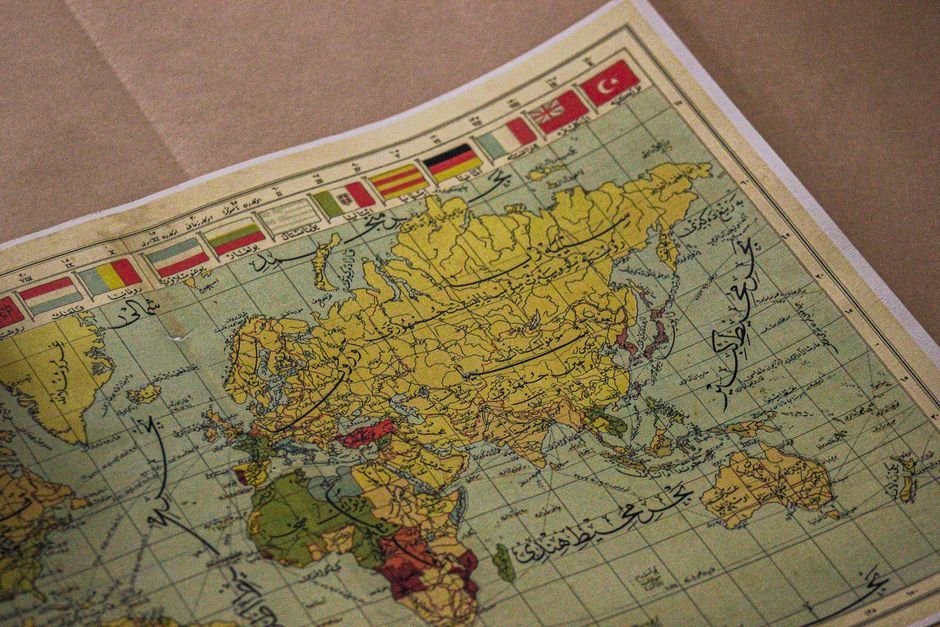
The Stakes of U.S.-Iran Relations in the Middle East
So, why is this deal emerging now? Since the U.S. unilaterally withdrew from the nuclear deal in 2018, Iran has faced crippling sanctions that have strangled its economy. The Hormuz Strait is a vital artery, through which about 20% of the world’s oil passes. For Iran, reopening this passage means a lifeline for its struggling economy, while for the U.S., it could be a chance to stabilize oil prices and reduce tensions with allies heavily reliant on maritime trade routes.
However, this isn’t just about economics. The players involved—U.S. and Iranian officials—are also navigating a labyrinth of regional politics. From the influence of proxies in neighboring countries like Iraq, Syria, and Yemen to the overarching shadow of China and Russia in the equation, the stakes couldn’t be higher. The Middle East is a chessboard, and every move reverberates beyond its borders.
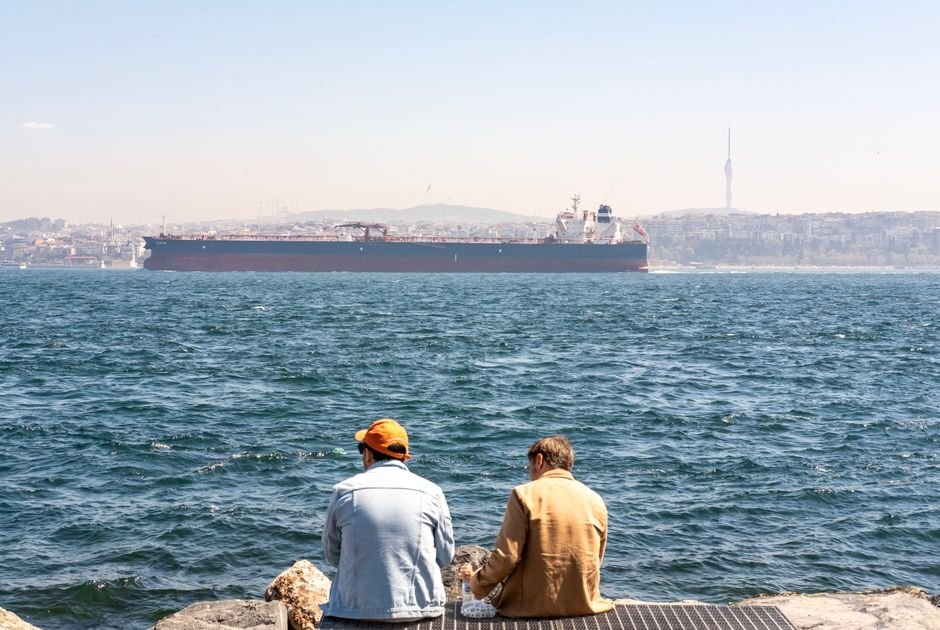
What’s Missing in the Middle East Negotiations?
While the prospect of lifting sanctions and reopening Hormuz sounds beneficial on paper, the mainstream narrative often glosses over the complex realities on the ground. Critics argue that such a deal could embolden Iran, allowing it to further its regional ambitions and destabilize its neighbors. Furthermore, there’s a significant risk that the U.S. may be viewed as capitulating under pressure, diminishing its standing in an already shaky alliance with Gulf states.
Conversely, if the deal goes through, it could lead to an unexpected thawing of relations, enabling a more stable Middle East. But let’s be real: trust doesn’t grow on trees in this region. Any misstep could reignite tensions, proving that even the most carefully crafted agreements may be flimsy.
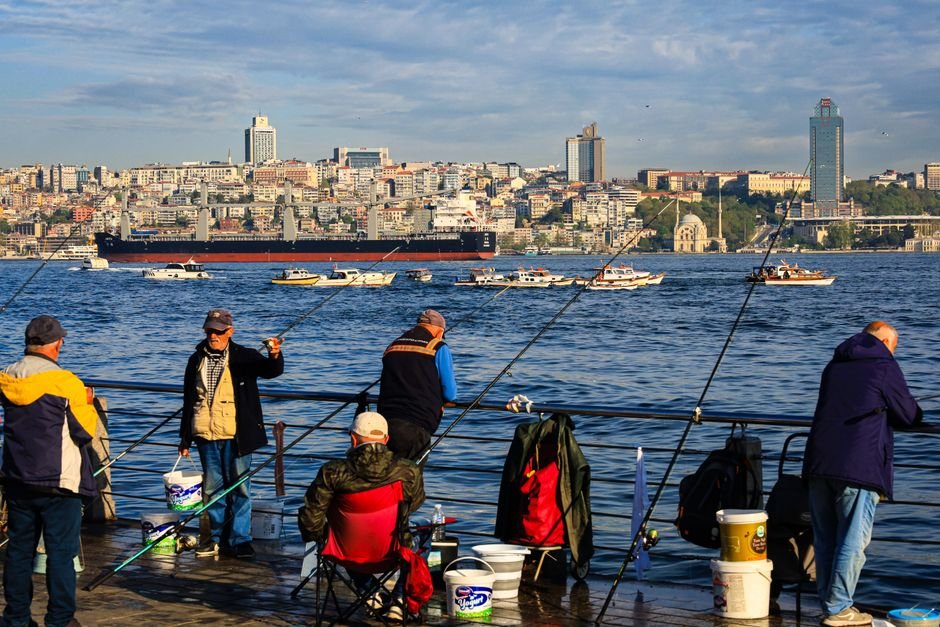
As the world watches, the implications of this potential deal extend far beyond oil and sanctions. The Middle East is at a crossroads, where one miscalculation could lead to massive repercussions. The question remains: will this proposed deal serve as a stepping stone to lasting peace, or will it merely serve to deepen existing divides?
Ultimately, in the high-stakes world of Middle Eastern politics, the future remains uncertain. Are we staring at a new dawn of cooperation, or are we on the verge of another storm? Only time will tell if this deal is the one that changes everything or just another chapter in the ongoing saga of conflict and compromise.
Source: Google — Middle East