
The political arena just got a jolt, as a recent report brings Democrat Marie Gluesenkamp Perez’s unconventional past into the harsh light of campaign season.
The New York Post, in a recent exposé, has pulled back the curtain on what it describes as a “secret drug-fueled past” for Representative Marie Gluesenkamp Perez, a blue-collar Democrat fighting to retain her seat in rural Washington. The report, published on June 28, 2026, details allegations spanning from “kinky fetish parties” and “nudism” to an “alleged fondness for nitrous oxide ‘whippets'” during her college years. It also references a “gruesome chicken stunt,” adding another layer to the startling revelations. This isn’t an interview where we hear her direct responses, but a stark journalistic dive into a candidate’s history, forcing a re-evaluation of public personas versus private lives, particularly for a lawmaker who has carved out a distinct identity in a challenging political landscape.

For any politician, the past is never truly past, especially not in an election year. This report, as detailed by the New York Post, certainly presents a vivid picture of a younger Gluesenkamp Perez, one that stands in stark contrast to the pragmatic, blue-collar image she cultivates as a sitting Representative. While the article doesn’t offer her direct on-the-record responses to these specific allegations, its very existence becomes an “on the record” event that demands scrutiny. The sheer audacity of the claims — from alleged drug use to participation in alternative lifestyle events — aims squarely at the heart of conventional voter expectations, particularly in a rural district. Yet, one might wryly observe that a candidate whose public persona is already built on bucking norms might find an unexpected, if uncomfortable, resilience here. The report, intentionally or not, highlights a journey from youthful experimentation to political office, a narrative arc that, while scandalous to some, might resonate as a story of growth and experience to others. It’s a bold reminder that behind every carefully crafted political image lies a person, often with a history far richer and more complex than a campaign brochure could ever convey.
What landed
What truly lands from this report isn’t a single quote from Democrat Marie Gluesenkamp Perez, but the undeniable jolt it sends through the political narrative surrounding her. The New York Post’s detailed account, focusing on alleged “fetish parties, drugs and gruesome chicken stunt,” vividly paints a picture of a youthful life lived outside the political mainstream. This kind of exposé, by its nature, aims to define a candidate by their most sensational past moments, challenging voters to reconcile the current lawmaker with the alleged college student. What it undeniably reveals is the relentless nature of opposition research and the lengths to which political adversaries will go to unearth material that might rattle a campaign.
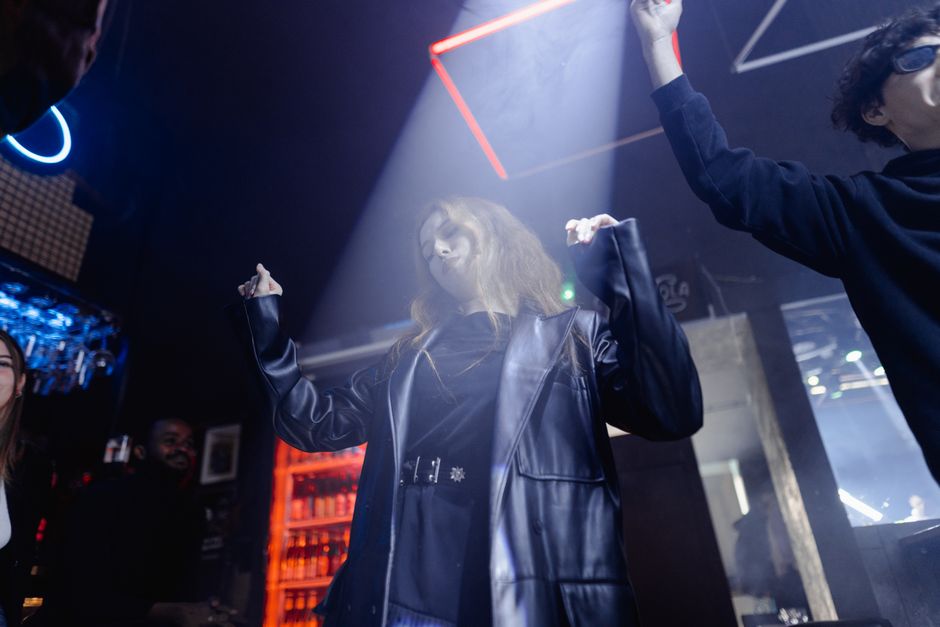
For Gluesenkamp Perez, the immediate impact is a complete reframing of her public identity. No longer just the “blue-collar Democrat,” she’s now also the subject of a story that details an alleged past of “kinky fetish parties, nudism and an alleged fondness for nitrous oxide ‘whippets’.” This forces a crucial test of voter discernment. Can her constituents in rural Washington look past these startling, decades-old allegations to her current legislative record and policy positions? It’s an encouraging thought that voters might consider the full arc of a person’s life, rather than just isolated, salacious snapshots. The report, in a strange way, underscores the idea that individuals can evolve, learn, and still contribute meaningfully to public service, even if their past isn’t a perfectly polished resume. It’s a high-stakes gamble for her opponents to dredge up such material, betting on outrage rather than a nuanced understanding of personal growth.
What doesn’t add up
The main question that immediately arises from this New York Post report isn’t about Gluesenkamp Perez’s alleged past actions themselves, but rather the timing and framing of the exposé. Why now? These alleged events are described as belonging to her “college past,” suggesting they occurred many years ago. The sudden emergence of such detailed allegations, long after she has become a public figure, naturally invites skepticism about the motives behind their release. Is this a genuine journalistic pursuit of truth, or a strategically timed political hit piece designed to derail her re-election bid in a crucial swing district? The article attributes these revelations to anonymous sources and old photographic evidence, which, while potentially verifiable, always raises an eyebrow when dropped so close to an election cycle.

Furthermore, the report, without her direct interview responses, leaves a significant gap in understanding the context or her perspective on these alleged events. It presents a series of sensational claims without offering her an immediate platform within the article to explain, deny, or contextualize them. This journalistic choice, while common in exposés, inherently creates an unbalanced narrative. What doesn’t add up is the potential disconnect between her current public service and the character implied by these past allegations; it demands a leap of faith from the voter, or at least a healthy dose of critical thinking. Are we to believe that a person’s entire character and fitness for office are defined solely by their youthful dalliances, or can we acknowledge that people change and mature? The report implicitly challenges this, creating tension between the salacious details and the idea of personal transformation.
Monday morning, Representative Gluesenkamp Perez will wake up to a political landscape irrevocably altered by this New York Post exposé. Her campaign will undoubtedly face a barrage of questions, forcing her to address a past she likely hoped would remain private. The stakes are high: her ability to navigate this scrutiny, to articulate a compelling defense, or perhaps even own parts of her journey, will determine if her constituents see a resilient leader or a compromised candidate. For voters, it means a more complex decision, weighing a detailed, controversial past against her present political platform and performance.
Source: OnTheRecord