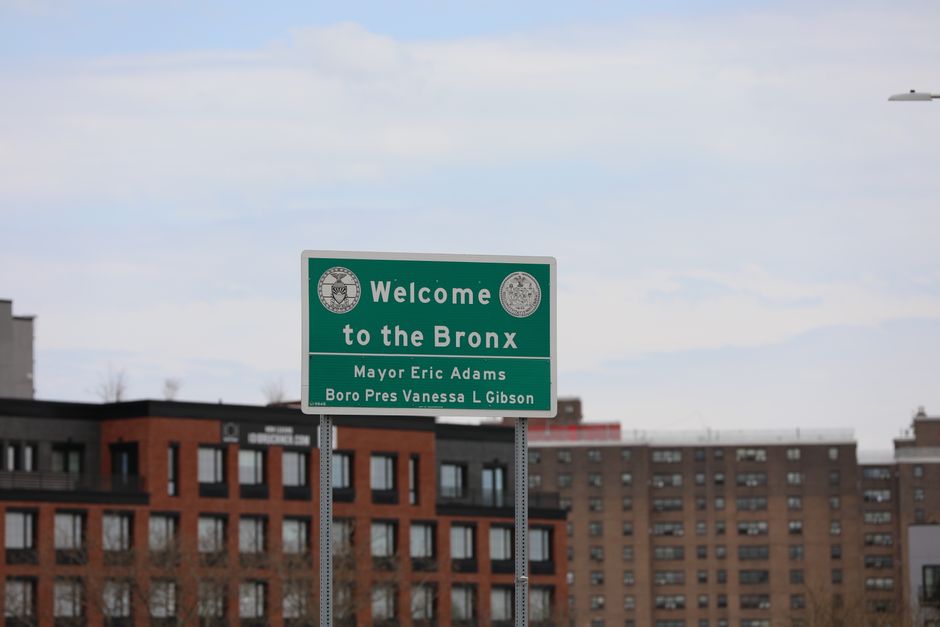
Mayor Zohran Mamdani’s recent declaration of contentment with the status quo has ignited a fresh challenge from advocates pushing for Open Primaries, highlighting a growing disconnect in New York City politics.
New York City’s primary elections, like many across the nation, operate on a closed system, meaning only registered party members can cast ballots in crucial nomination contests. This structure effectively disenfranchises a significant portion of the electorate: the independent voters who choose not to align with either major party. It’s a system that has long drawn the ire of groups like Open Primaries, who argue it stifles broad participation and promotes partisan extremism.
It was against this backdrop that Mayor Mamdani, in a recent interview, asserted he was “quite content” with the city’s closed primary system. This seemingly straightforward statement has now prompted a direct challenge from Open Primaries, who are calling on the Mayor to meet independent voters in a town hall forum to explain his position. The political gauntlet has been thrown, and the implications for the city’s electoral landscape are already shifting.
What landed
Mayor Mamdani’s statement, that he is “quite content” with New York City’s closed primaries, landed with the thud of an unambiguous political declaration. It’s rare for a sitting mayor to so clearly stake out a position on an issue that, while niche to some, profoundly impacts electoral fairness for millions. His contentment is, in its own way, a revealing moment. It signals a complete lack of urgency, or perhaps even interest, in reforming a system that actively excludes a substantial segment of the tax-paying, law-abiding populace from meaningful participation in the democratic process.
For those who have long observed the machinations of party politics, Mamdani’s stance speaks volumes. It suggests an underlying satisfaction with the existing power structures, where nominations are largely decided by party loyalists, often the most ideologically committed. This clarity, while frustrating to advocates, is at least forthright. It leaves little room for ambiguity about where the Mayor stands on the critical question of who gets a say in selecting the candidates who will eventually represent all New Yorkers. He has drawn a line in the sand, and it’s a line that firmly encloses the primary electorate within party walls.
What doesn’t add up
The mayor’s “quite content” remark, while clear, immediately invites scrutiny when juxtaposed with the reality of New York City’s diverse and often unaligned electorate. What doesn’t quite add up is how a leader can express such satisfaction with a system that, by design, disenfranchises hundreds of thousands of independent voters. Are these voices simply not part of the calculus of mayoral contentment? It certainly feels like a significant oversight, or perhaps a deliberate exclusion, to be so “content” when a leading advocacy group is actively highlighting widespread dismay among a considerable voter bloc.
There’s a palpable tension between the Mayor’s serene satisfaction and the increasingly vocal demands for reform. Mamdani’s statement rings hollow against the backdrop of arguments from Open Primaries and others that closed primaries contribute to polarization, empower fringe elements within parties, and ultimately result in general election candidates who are less representative of the broader public. To be “content” with a system facing such pointed criticism, without offering any counter-argument beyond a simple declaration of satisfaction, suggests either a profound lack of engagement with the issue or a deliberate choice to prioritize party mechanisms over broader democratic inclusion. It also raises questions about the political optics: in an era of declining party affiliation, expressing contentment with a system that marginalizes independents feels less like strong leadership and more like a retreat into established party comfort zones. The call for a town hall meeting from Open Primaries isn’t just a challenge; it’s an opportunity for Mamdani to reconcile his contentment with the disquiet of a significant part of the electorate, and the current gap between the two is vast.
Come Monday morning, Mayor Mamdani will face a decision: dismiss the challenge as political theater, or engage with the very voters his administration purports to represent. His choice will not only define his stance on electoral reform but also signal how seriously he takes the concerns of New York City’s growing ranks of independent voters, setting the stage for future battles over who truly holds the keys to the city’s democratic process.
Source: OnTheRecord