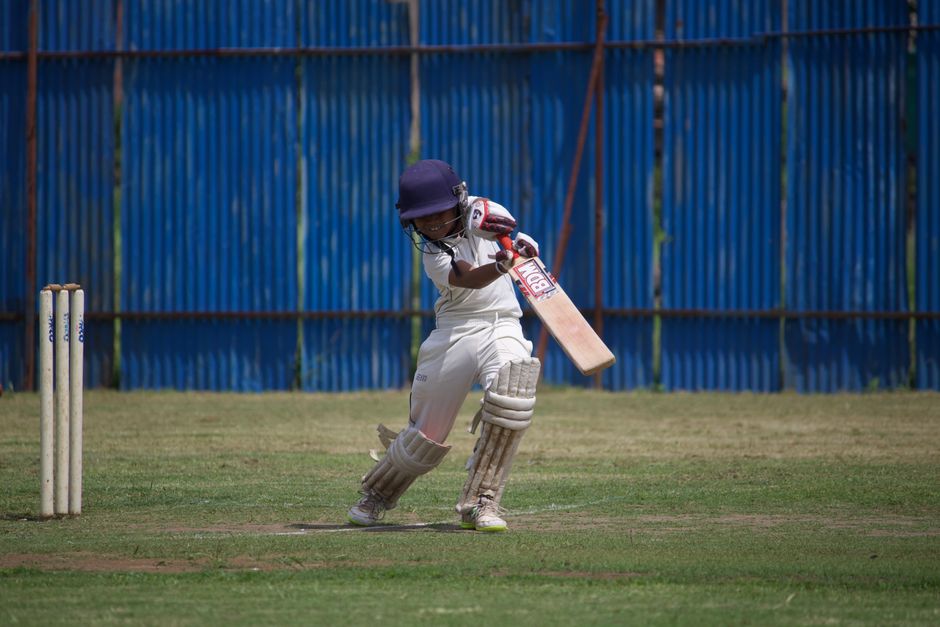
The King’s recent meeting with the Afghan women’s cricket team has sparked a mix of hope and frustration, as the team is no longer allowed to play official games, highlighting the harsh realities of women’s rights in Afghanistan. According to BBC UK, King Charles showed his support for the team, a gesture that underscores the ongoing struggle for women’s empowerment in the region. However, the fact that the King is backing a team that is not allowed to exist officially raises questions about the efficacy of such symbolic gestures.
The Afghan women’s cricket team has been facing immense challenges since the Taliban took over, with the new regime banning women from participating in sports, as reported by Reuters. Meanwhile, the King’s meeting with the team has been seen as a powerful statement of support, but it also underscores the limitations of diplomatic efforts in the face of rigid ideological opposition.
The King’s Role in Conflict and Security
The King’s involvement in this issue highlights the complex interplay between diplomacy and human rights, particularly in the context of the united-kingdom’s approach to conflict and security. As the King continues to lend his support to the Afghan women’s cricket team, it remains to be seen whether this will translate into tangible outcomes, or if it will merely serve as a symbolic gesture. The King’s ability to influence policy and effect change is limited, but his platform can be used to draw attention to critical issues, such as the plight of women in Afghanistan.
In fact, the King’s meeting with the team has already sparked a renewed debate about the role of diplomacy in promoting women’s rights, and the need for more concrete actions to support teams like the Afghan women’s cricket team. As the King navigates this complex issue, he must balance his desire to support the team with the need to avoid being seen as interfering in the internal affairs of another country. Therefore, the King’s approach will be closely watched, both by human rights advocates and by those who are skeptical of Western intervention in Afghanistan.
The King’s Impact on the Ground
The King’s support for the Afghan women’s cricket team may have a limited impact on the ground, where the Taliban’s restrictions on women’s rights remain in place. However, the King’s involvement can help to keep the issue in the public eye, and to build pressure on the international community to take action. On the other hand, the King’s efforts may be seen as too little, too late, and may even be criticized as a form of “sports diplomacy” that fails to address the deeper structural issues that underpin the Taliban’s oppressive policies.
As a result, the King’s meeting with the Afghan women’s cricket team has sparked a mix of praise and criticism, with some hailing it as a brave gesture, and others dismissing it as a hollow publicity stunt. Nevertheless, the King’s commitment to supporting the team remains unwavering, and he has pledged to continue using his platform to draw attention to the issue. The King’s dedication to this cause is admirable, but it also raises questions about the limits of royal diplomacy, and the need for more concerted efforts to address the root causes of conflict and insecurity.
A Lasting Legacy for the King
The King’s legacy will be shaped, in part, by his response to issues like the Afghan women’s cricket team, and his ability to balance his symbolic role with the need for concrete action. As the King looks to the future, he must consider how he can use his platform to make a lasting difference, rather than simply making gestures that, although well-intentioned, may ultimately prove ineffective. The King’s support for the team is a step in the right direction, but it is only the beginning, and it remains to be seen whether he will be able to translate his words into deeds, and to make a real difference in the lives of women like those on the Afghan cricket team.
Source: BBC UK