
Is the new space race truly about science, or is it a high-stakes geopolitical flex? Japan, with its latest announcement, seems to be making a powerful statement either way, shifting the conversation from Earth-bound squabbles to the vast expanse of the cosmos.
According to Space.com, Japan recently unveiled the impressive spacecraft designed for its Martian Moons eXploration (MMX) mission. This audacious project is set to launch on October 19, with the ambitious goal of collecting samples from Phobos, one of Mars’s two moons, and returning them safely to Earth.

Japan’s Deep Space Gambit
This isn’t merely another scientific expedition; it’s a strategic move in a rapidly evolving global landscape. The MMX mission represents a monumental leap for Japan’s space agency, JAXA, pushing the boundaries of autonomous navigation and sample return technology in deep space. It’s a declaration that Japan intends to be a leading player, not just a participant, in humanity’s reach for the stars.
The timing is particularly poignant. As nations around the globe grapple with economic uncertainties and shifting alliances, the focus often remains on terrestrial power plays. Yet, advancements in space exploration quietly redefine national prestige and technological prowess. This mission follows JAXA’s impressive Hayabusa and Hayabusa2 asteroid sample return successes, building a formidable track record that demands global attention.

Beyond the Moon Rocks: A New Space Order
Let’s be clear: this mission carries immense stakes, far beyond the scientific value of a few grams of Phobos rock. A successful sample return from a Martian moon would not only provide invaluable insights into planetary formation and the origins of life but would also cement Japan’s position as an undisputed leader in advanced robotics and precision engineering. This is about soft power, pure and simple.
Consider the ripple effects. A triumph for Japan would inspire a new generation of scientists and engineers, attract international talent, and potentially open doors for lucrative collaborations in the burgeoning space economy. It’s a powerful signal to potential partners and rivals alike that Japan’s technological might is formidable and forward-looking. Conversely, any significant setback could dampen national morale and raise questions about the allocation of resources. The mainstream narrative often fixates on the moon or Mars itself, missing the crucial step: understanding their smaller celestial companions. Phobos, a mere irregularly shaped rock, holds secrets that could redefine our understanding of the solar system, and whoever brings those secrets home first gains an undeniable edge.
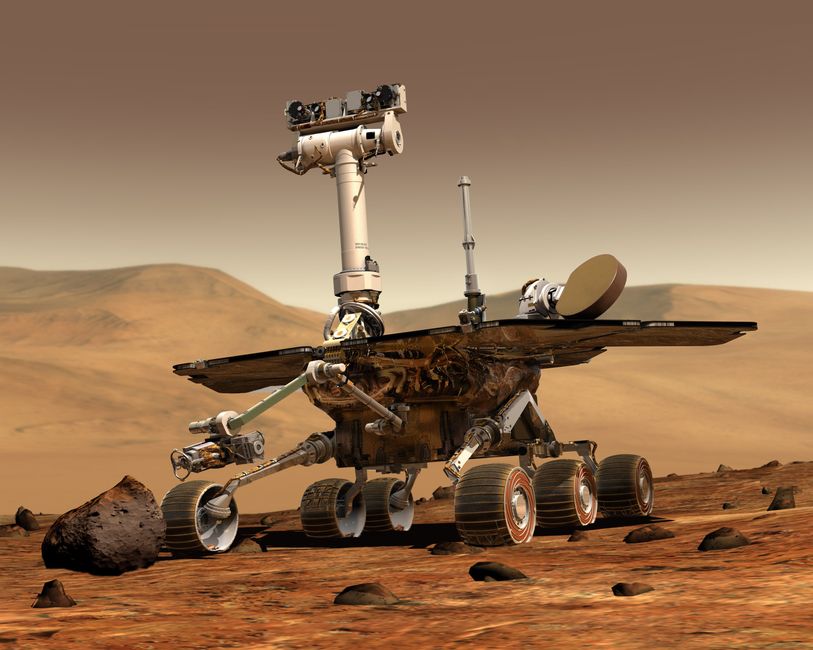
This mission also subtly challenges the duopoly of space exploration often perceived to be dominated by the US and China. While those nations pour resources into crewed missions and grand lunar ambitions, Japan is carving out a niche of highly sophisticated, robotic deep-space sample returns. This specialization could prove to be incredibly valuable, offering a path to scientific leadership that doesn’t necessarily require the colossal budgets of human spaceflight. It’s a smart play, leveraging precision and innovation over sheer brute force.
So, as the world prepares for the MMX launch, remember that we’re not just watching a rocket lift off. We are witnessing Japan making a bold, calculated gamble on its future, a wager that could redraw the map of global scientific and technological influence for decades to come. Will this mission redefine the playing field, or will the quiet confidence of precision engineering be overshadowed? The countdown to October 19 isn’t just for Phobos; it’s for Japan’s place in a new space order.
Source: Space.com