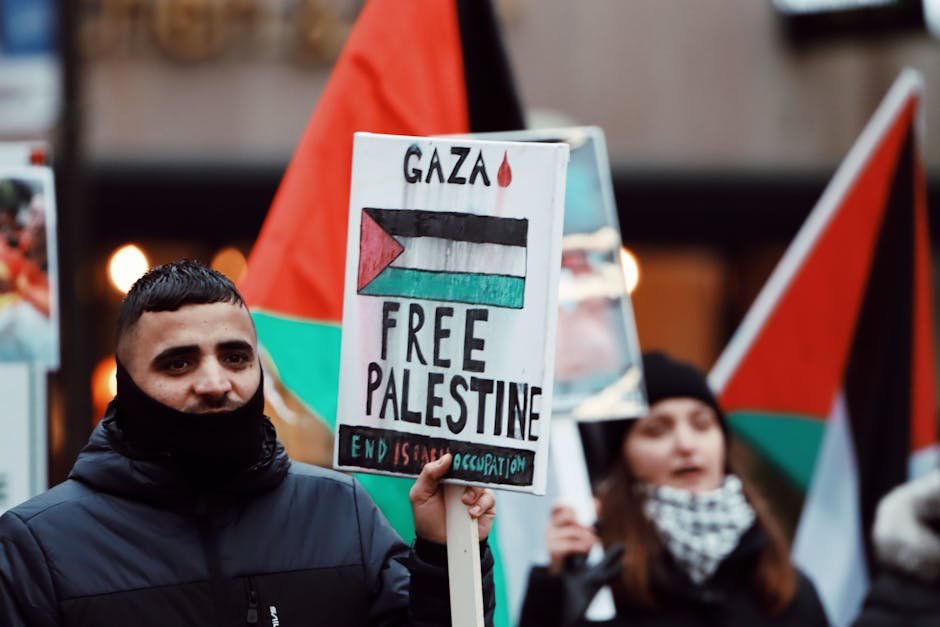
It’s no longer shocking to see a man like Itamar Ben-Gvir at the helm of Israeli politics – it’s downright terrifying. This self-proclaimed ultra-nationalist is not just a sideshow; he embodies the ideological undercurrent that now pulses through the very veins of Israel’s government. According to the Guardian, western nations are condemning Israel with a ferocity that hasn’t been seen in years, yet it’s hardly because of a newfound empathy for Palestinian suffering. Instead, it’s a reaction to the brazen tactics employed by leaders like Ben-Gvir.
Why Israel matters now
Why now? The situation in the Gaza Strip is dire, and the world is watching as Israel’s military actions result in alarming civilian casualties. Yet, rather than stirring a moral outcry, these developments have galvanized a distinct and troubling solidarity among hardline Israeli politicians. Ben-Gvir’s ascent is a symptom of a larger disease afflicting Israeli governance—one where the extreme right is no longer relegated to the shadows but is boldly stepping into the spotlight, commanding attention and support.
The irony is thick. While western governments grapple with their own moral complicity in Israel’s actions—through military aid, diplomatic support, and outright silence—they suddenly find their voices, led by leaders who are unwilling to accept the status quo of complicity. As Ben-Gvir and his ilk provoke outrage both internationally and domestically, they also consolidate an unyielding base that views this backlash as a badge of honor.
The stakes around Israel
Let’s not mince words: Ben-Gvir’s rise is not just an anomaly; it’s a reflection of a new normal in Israeli politics. Sure, there are attempts to paint him as an outlier, but the truth is far more unsettling. His rhetoric has seeped into the mainstream, where censure of Palestinian rights is increasingly normalized. The more he flaunts his extremism, the more it seems to resonate with a populace tired of what they perceive as weakness.
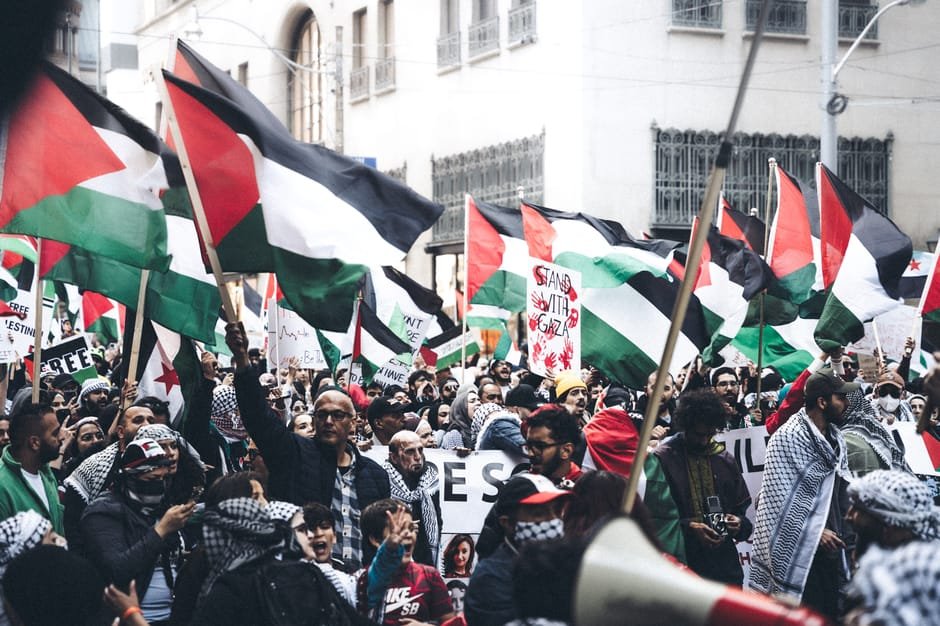
This is a dangerous game. The stakes are high, as Israel teeters on the brink of full-blown societal upheaval, torn between the pursuit of security and the relentless erosion of civil rights. The very foundation of what Israel stands for is being eroded by leaders who prioritize ideology over humanity. If the Israeli political landscape continues to be dominated by figures like Ben-Gvir, the country risks losing its democratic values in the name of security—a hollow victory that could become its undoing.
The mainstream narrative often overlooks the fact that Ben-Gvir is not a rogue player; he’s a harbinger of the values that many Israelis are beginning to embrace. The international community may condemn his policies, but that condemnation will mean little if it fails to translate into real action. As western nations express their outrage, they must also contend with the reality that their complicity has laid the groundwork for this extremist takeover.
The future is bleak if Ben-Gvir represents the new face of Israel. His success could lead to further polarization within the country, exacerbating tensions not only with Palestinians but also within Israeli society itself. The narrative surrounding Israeli identity is at a critical juncture, and one must wonder—will the world wake up in time to prevent the fire from spreading, or will it simply watch in horror as extremism reigns?
In the end, Ben-Gvir’s ideology—a toxic mix of nationalism and bravado—could very well be the defining characteristic of Israeli politics for years to come. The question is whether the international community is ready to confront that reality, or if it will continue to excuse or ignore the firestorm, hoping it will burn itself out. As history has repeatedly shown, ignoring the flames only leads to larger infernos. What will it take for us to truly see the danger before our eyes?
Source: Guardian Middle East