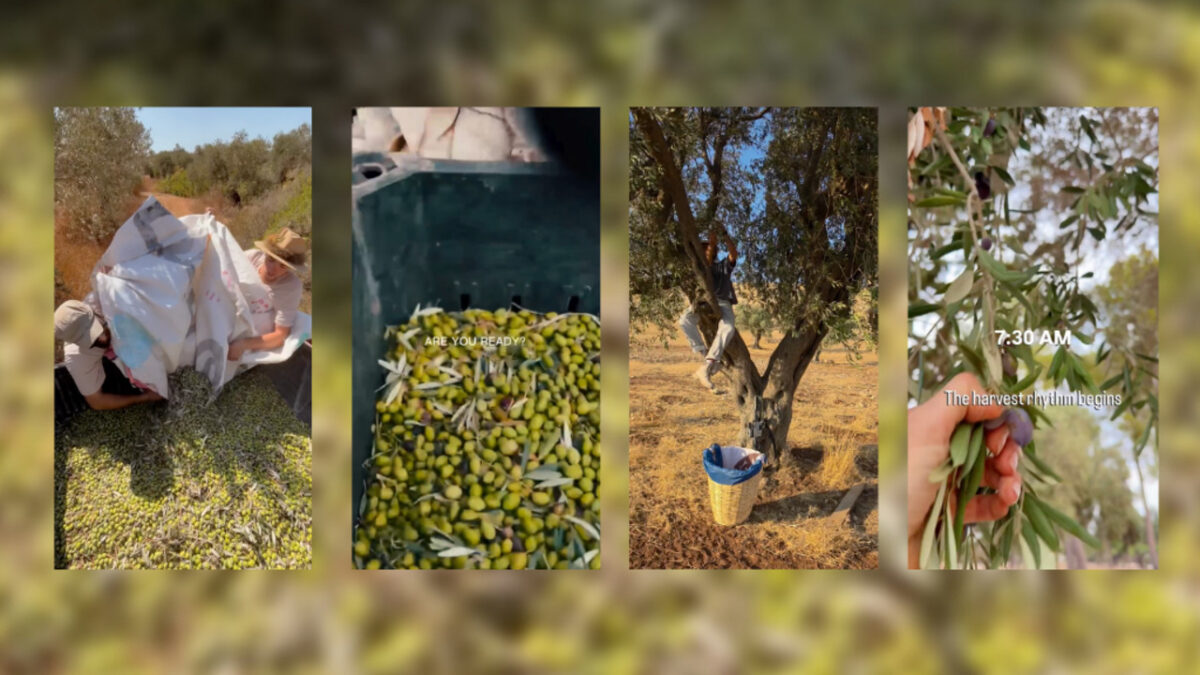
The olive season in the West Bank should be a quiet celebration of ancient trees and family labor, yet this year Israel’s own narrative is being rewoven with threads of intimidation and spectacle. Social feeds are awash with settlers draped in keffiyehs, brandishing tools not for pruning but for vandalism, while the same images are captioned as patriotic harvests. The contrast between the pastoral myth and the bruised reality is stark, and it forces us to ask: whose harvest is really being protected, and at what cost?
According to France 24, the official olive harvest kicked off on 15 October 2026, and the timing has coincided with a noticeable surge in violent incidents against Palestinians. Both Israeli settlers and soldiers have been implicated in attacks on olive groves, and they are simultaneously curating a glossy Instagram narrative that glorifies the season as a national triumph.
Israel’s Settler Campaign and the Olive Harvest
The current wave of aggression does not emerge from a vacuum. For decades, olive trees have symbolised Palestinian attachment to the land, while Israeli settlement expansion has repeatedly targeted these same groves for demolition or appropriation. This season, however, the aggression wears a new visual coat: settlers adopt the keffiyeh—a garment traditionally associated with Palestinian resistance—to stage their incursions, turning a symbol of defiance into a costume for intimidation. In doing so, they blur the line between cultural appropriation and outright hostility, while presenting themselves as custodians of a shared heritage.
The social‑media dimension amplifies the impact. Videos show groups of settlers marching through orchards, chanting nationalist slogans, and documenting the “cleansing” of the fields with polished selfies. Soldiers appear alongside them, sometimes brandishing rifles, other times holding placards that read “Our Land, Our Harvest.” These images are deliberately curated to convey order, pride, and legitimacy, masking the underlying coercion. As France 24 notes, the aesthetic framing is intentional: it transforms an act of aggression into a celebratory tableau, inviting domestic and diaspora audiences to applaud rather than condemn.
Why does this matter now? The olive harvest is a crucial economic lifeline for many West Bank families; a single grove can sustain a household for months. Destroying trees or sabotaging the harvest strikes at the heart of Palestinian food security and cultural continuity. Moreover, the timing aligns with Israel’s broader political calculus: as the nation grapples with internal debates over the future of the settlements, showcasing a “peaceful” harvest serves as propaganda to reinforce claims of normalcy and entitlement. The visual narrative, therefore, is not an incidental side‑effect but a strategic component of a larger settlement agenda.
The Hot Take: Aesthetic Violence and Its Real Cost
Mainstream coverage often reduces these incidents to “isolated clashes,” but the pattern suggests a coordinated campaign that leverages both physical force and visual storytelling. The winners in this script are the settlement lobby and its political allies, who gain international sympathy by packaging aggression as cultural celebration. The losers are the Palestinian farmers, whose trees are felled, whose livelihoods are jeopardized, and whose voices are drowned out by the clamor of filtered photos.
The danger extends beyond the immediate damage to groves. By normalizing the image of settlers in keffiyehs, the campaign erodes the symbolic distinction between occupier and occupied, making it harder for external observers to discern who is perpetrating the violence. This visual ambiguity can dampen diplomatic pressure, as the world sees a “shared harvest” rather than a systematic campaign of land theft. Meanwhile, the Israeli military’s tacit involvement—whether through direct participation or passive allowance—signals an institutional endorsement of the settlers’ tactics, further entrenching the cycle of impunity.
Critics might argue that the settlers are merely expressing their heritage, that the keffiyeh is a neutral garment, or that the images are harmless self‑portrayal. Yet these defenses ignore the power dynamics at play: when a dominant group appropriates the symbols of an oppressed population while simultaneously inflicting material harm, the act becomes a form of cultural aggression. The aesthetic veneer cannot cleanse the underlying violation of property rights and human dignity.
If the current trajectory continues, we can expect the olive season to become a yearly litmus test for Israel’s settlement policy. Each harvest will likely be accompanied by a fresh wave of visual propaganda, each more polished than the last, while the physical toll on Palestinian agriculture deepens. International observers may become desensitized, treating the spectacle as a benign cultural event rather than a calculated strategy of dispossession. The longer this narrative goes unchecked, the more entrenched the disparity between the image of “peaceful harvest” and the lived reality of loss will become.
The olive trees will outlive the Instagram filters, but the scars left on the land—and on the conscience of those who watch—will remain. As the season draws to a close, the true measure of Israel’s harvest will not be the number of photos posted, but the number of groves that survive to bear fruit for the next generation. The question now is whether the world will choose to see beyond the curated canvas and confront the violence that lurks beneath.
Source: France 24