
The moment the U.S. Seventh Fleet slipped its warships into the Strait of Hormuz, the word on every analyst’s tongue was *Iran*—and the dread that a mis‑step could ignite a full‑scale conflict. No one likes a weekend read that feels like a ticking time bomb, but the fact that America’s most powerful surface combatants are now on standby for a possible strike on Iran makes this the kind of story you can’t afford to skim.
According to a report from the Wall Street Journal, a carrier strike group and two guided‑missile destroyers have been positioned off the Persian Gulf, fully armed and ready to launch kinetic strikes if Washington decides to move beyond diplomatic warnings. The same source notes that the naval assets are supported by aerial refueling aircraft and a network of satellite communications, ensuring a rapid response capability that could be exercised within hours.
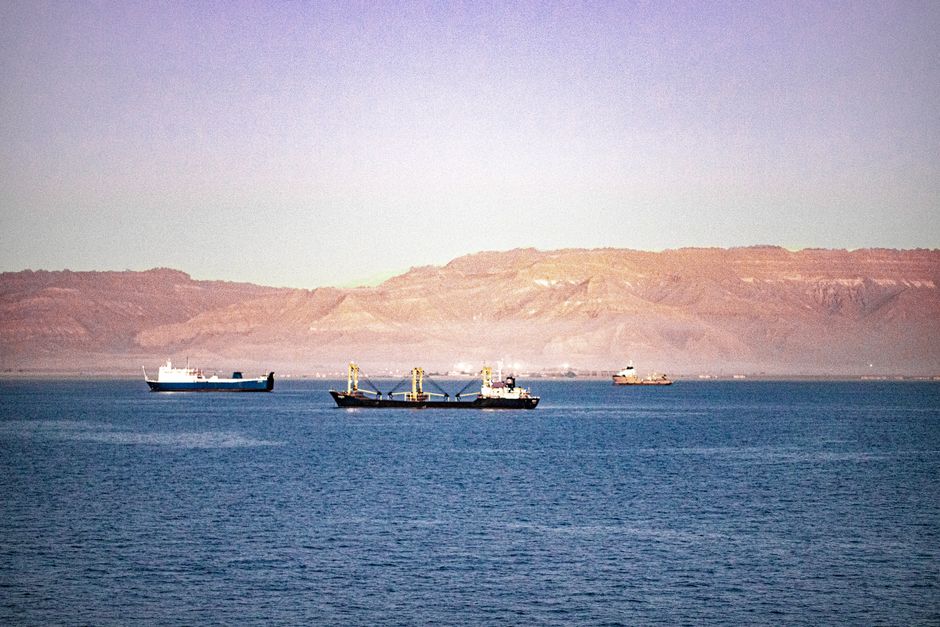
Why the U.S. is flexing its muscles over Iran now
The timing is hardly accidental. In the weeks leading up to this deployment, Iran’s Revolutionary Guard has intensified attacks on commercial shipping, claiming responsibility for at least three missile strikes on vessels that were allegedly violating its “right to defend” maritime routes. Those incidents have rattled global oil markets and forced the International Maritime Organization to issue new safety advisories for the Gulf. Meanwhile, the Biden administration, still reeling from a bruising mid‑term election, is eager to demonstrate resolve after a series of perceived foreign‑policy setbacks in Europe and Asia.
The presence of U.S. warships signals more than a simple deterrent; it is a calibrated message to Tehran that any escalation will be met with overwhelming force. It also reassures regional allies like Saudi Arabia and the United Arab Emirates, whose economies are tightly bound to oil exports that could be jeopardized by an unchecked Iranian campaign. In fact, the Pentagon’s own briefing, leaked to the press, described the deployment as a “show of force to preserve freedom of navigation and protect U.S. interests.” The decision, therefore, is rooted in a complex web of strategic calculations, regional politics, and domestic pressures that make the Gulf a powder keg ready to blow.

The hidden costs of a U.S. strike on Iran
If Washington follows through, the immediate winner is the defense‑industry lobby, which will see a surge in orders for missiles, drones, and next‑generation naval platforms. The U.S. Navy itself will gain a fresh excuse to justify its multi‑billion‑dollar budget, while hawkish members of Congress will point to the action as proof of a “strong America.” On the other hand, the losers are far more numerous and far less visible.
First, any kinetic strike on Iran is likely to trigger a cascade of retaliatory attacks, not only from the Revolutionary Guard but also from proxy militias embedded across Iraq, Syria, and Lebanon. Those groups have already demonstrated a capacity to launch sophisticated anti‑ship missiles, which could threaten the very carriers that the U.S. has positioned as a shield. Second, the civilian toll could be catastrophic. Iranian ports house millions of workers and a dense urban fabric; a precision strike, however limited, would almost certainly result in collateral damage that fuels anti‑American sentiment across the Muslim world. Third, the global economy would feel the shock. A disruption of even a single percent of Persian Gulf oil flow translates into billions of dollars in lost revenue, higher fuel prices, and a ripple effect that could push inflation higher in Europe and the United States—already a politically volatile issue as election season looms.
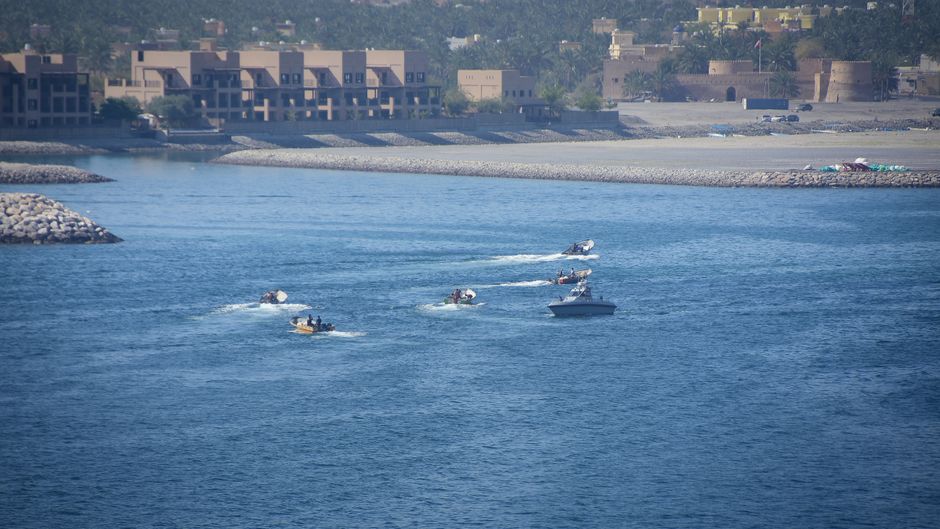
Mainstream coverage tends to frame the deployment as a straightforward deterrent, but it glosses over the diplomatic avenues that have been quietly pursued. Behind the scenes, back‑channel talks between Tehran and European mediators have been ongoing for months, aiming to de‑escalate the shipping attacks in exchange for a limited easing of sanctions. Those negotiations could crumble under the weight of a premature military strike, squandering a rare opening for a negotiated settlement. Moreover, the U.S. risk of over‑extension is real; a protracted naval campaign would stretch logistics, increase wear on aging hulls, and force the Pentagon to divert assets from other theaters, including the increasingly volatile Indo‑Pacific region.
In short, the gamble is not merely about who fires the first shot but about who can survive the aftermath. The odds favor a scenario where the U.S. appears strong on paper while the strategic reality becomes a quagmire of endless retaliation, economic fallout, and a surge in anti‑U.S. sentiment across the Middle East.
The weekend may be over, but the question remains: will Washington’s show of force deter Iran, or will it simply set the stage for a wider, more costly confrontation? If the answer leans toward the latter, the world may find itself watching a naval standoff that was supposed to be a warning turn into a war we all hoped to avoid.
Source: Google — Middle East