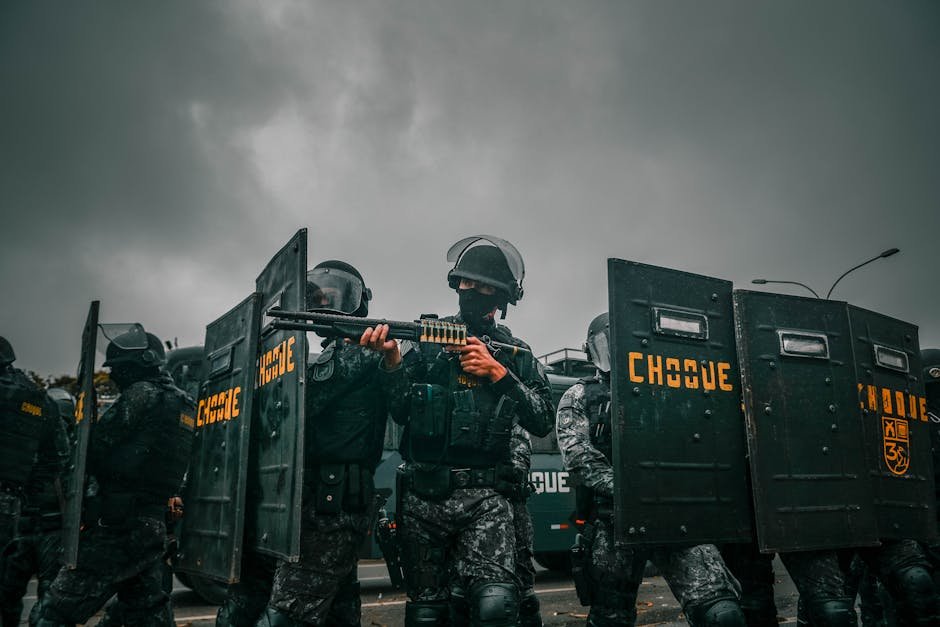
Economic frames the debate here: The Iranian regime is preparing for war, but not in the ways you might expect. Instead of launching strikes across borders, they’re reinforcing their own backyard—arming loyalists within their ranks as the economy crumbles around them. According to the National Council of Resistance of Iran, this desperate move signals that the leaders of Tehran are not just afraid of foreign invasions; they are terrified of the uprising brewing right under their noses.
Why economic matters now
Why is this happening now? With the Iranian economy in freefall—crippled by sanctions, mismanagement, and widespread discontent—the regime’s grip on power is more precarious than ever. The usual tactics of oppression and censorship no longer mask the pervasive dissatisfaction. People are fed up, and the streets are a powder keg ready to explode. As a preemptive measure against both external threats and internal insurrections, the regime is arming its base, which consists of loyalists who could act as an informal militia to quell protests or any signs of rebellion.
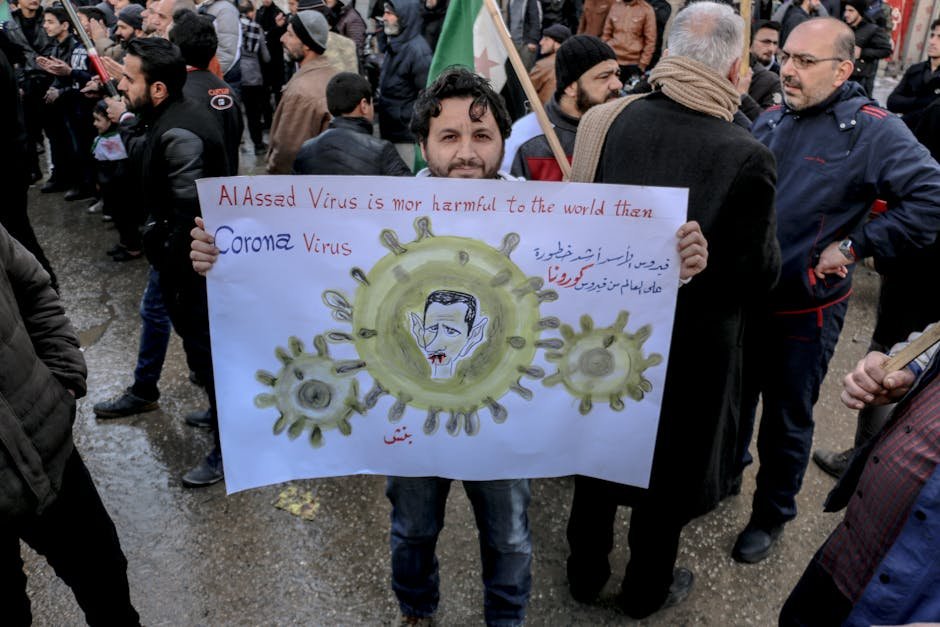
This isn’t just a defensive strategy; it’s a telltale sign of weakness. The Iranian leadership’s reliance on a loyal base indicates that they see the writing on the wall. They recognize that the real threat isn’t from foreign powers but from their own citizens who are fed up with years of oppression and economic despair. In a country where daily life has become a struggle for survival, the regime’s arming of supporters is more akin to throwing gasoline on a fire than it is to securing peace.
The stakes around economic
What’s at stake here? If the regime miscalculates and instigates violence against its own people, it could trigger the very uprising they fear. Protests could turn into armed conflict, and the consequences would be disastrous—not just for the regime, but for the entire region. The regime stands to lose its already shaky power if regular citizens decide they’ve had enough. The mainstream narrative often overlooks the potential for grassroots revolts in authoritarian regimes. But as we’ve seen time and again from the Arab Spring to the recent protests in Iran, ordinary people can and will rise against tyranny when pushed to their limits.
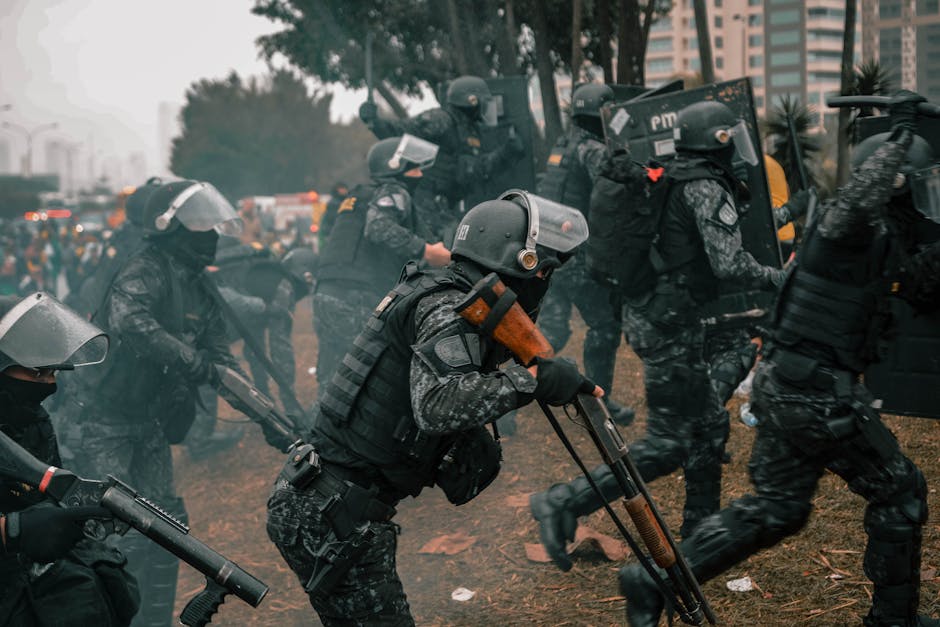
Let’s not sugarcoat this: Iran is at a crossroads. The regime is trying to protect itself through force, but that approach rarely ends well for dictators. History has taught us that fear breeds desperation, and desperate measures can lead to a self-fulfilling prophecy of revolt. As economic despair mounts and civil unrest simmers, the stakes couldn’t be higher.
Will Tehran’s gamble pay off, or will it ignite the very uprising they fear? The coming months will be crucial in determining whether Iran descends into chaos or somehow manages to maintain its grip on power. One thing is certain: the more they arm their loyalists, the more they reveal their own insecurities, and that alone could prove to be their undoing.
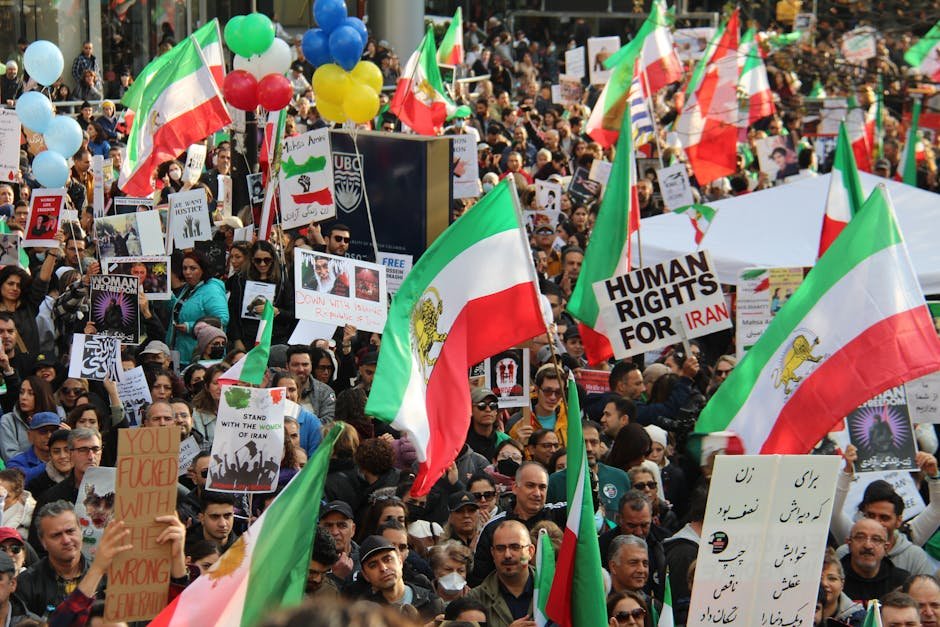
Source: Google — Middle East