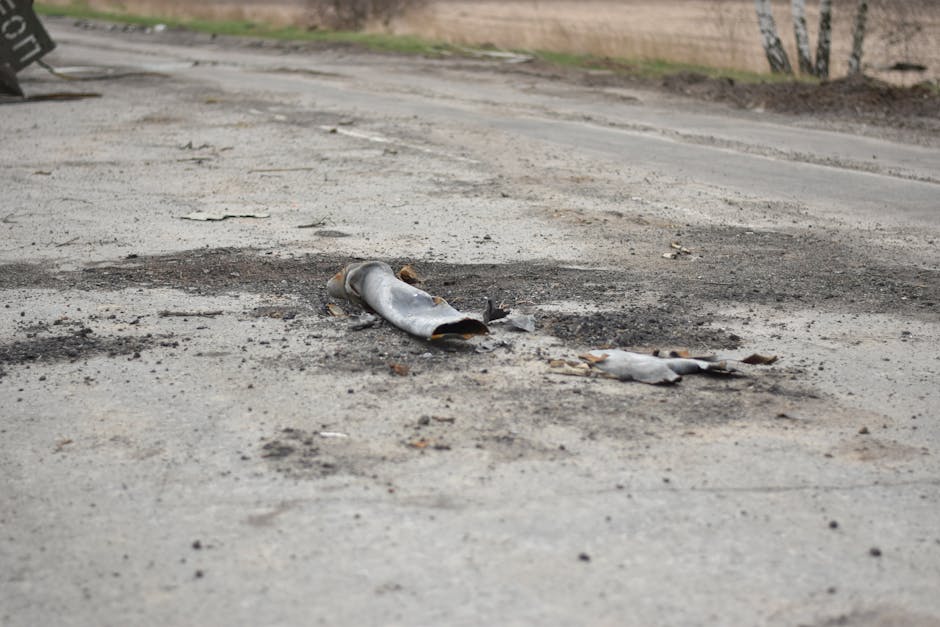
Hypersonic Warfare frames the debate here: Is the age of war being defined by the speed of missiles or the fragility of humanity? The recent use of hypersonic missiles by Russia in its ongoing war against Ukraine poses an uncomfortable question: What does it mean for the future of warfare when cities become the playground for such terrifyingly advanced technology?
According to France 24, a large-scale Russian strike on Kyiv left four people dead and dozens injured, marking just the latest in a series of brutal attacks. This time, the Oreshnik hypersonic missile was deployed, a development that Russia claims is a retaliation against Ukraine’s military operations. However, Kyiv insists its own strikes target military infrastructure, not civilians—an assertion that increasingly sounds hollow amid the rubble of schools and homes.
The Unfolding War and Its Technological Arms Race
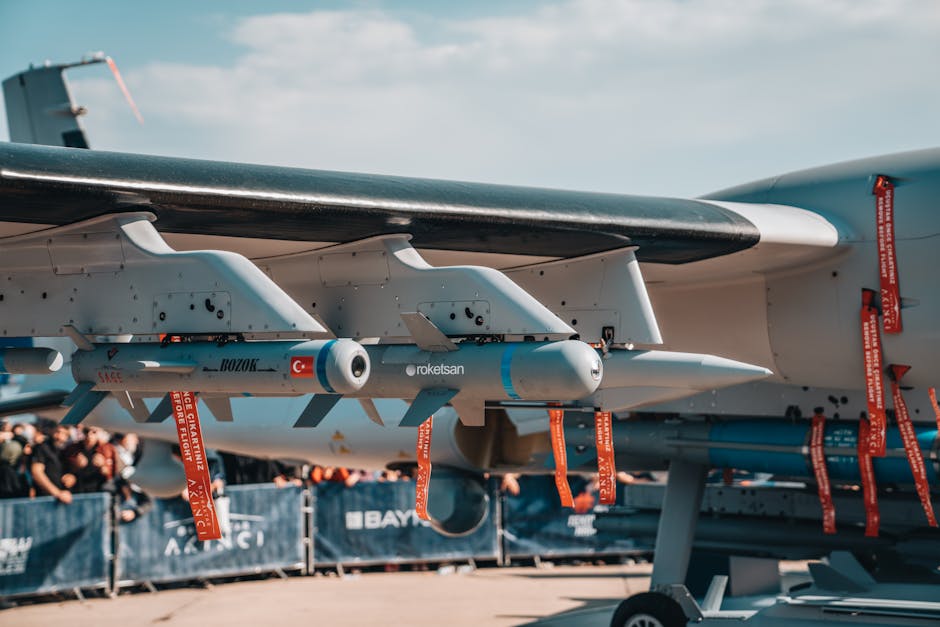
This latest episode of violence underscores a significant shift in modern warfare. The war in Ukraine, now a battleground for geopolitical ideologies and advanced military technologies, is not just a clash of arms; it is a high-stakes game where speed and precision can trump the very essence of human life. The deployment of hypersonic missiles—the likes of which are designed to be nearly impossible to intercept—raises the stakes exponentially.
In truth, this war has become a laboratory for the use of advanced weaponry, and hypersonic missiles symbolize a dangerous evolution. These weapons promise to redefine the principles of deterrence and offense in warfare, yet they bring a grim consequence: cities like Kyiv, once symbols of culture and community, now face annihilation in the blink of an eye. As the world watches this war unfold, it becomes painfully clear that the ramifications will extend far beyond the borders of Ukraine.
The Stakes of Modern Warfare
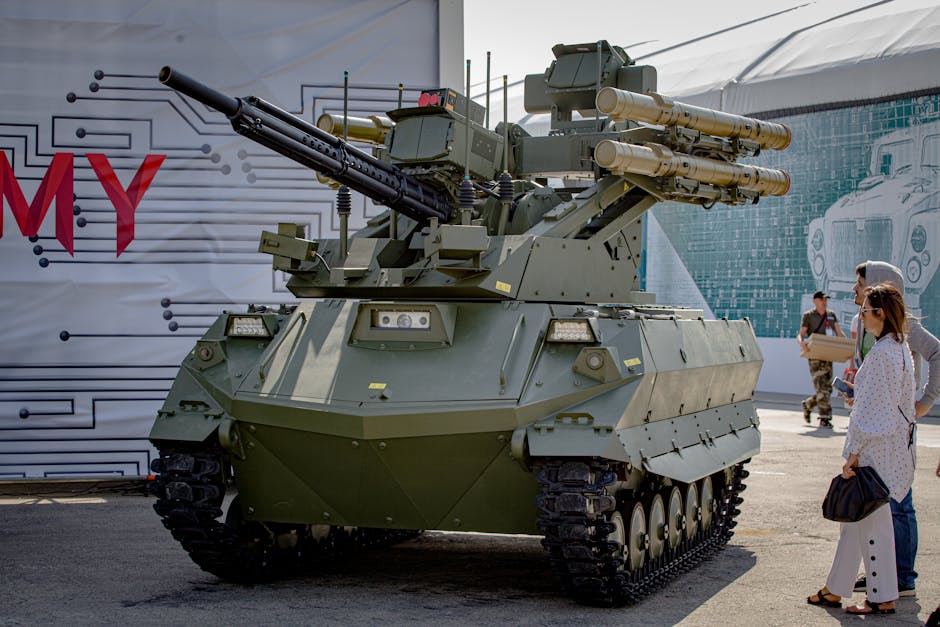
Make no mistake, the use of hypersonic missiles reveals a chilling reality: the battle for dominance is no longer fought solely on the ground or in the air. Russia’s recent strikes signal its desperation or determination to assert control in a war that has already caused immense suffering. Who emerges victorious in such a conflict remains uncertain, but one thing is clear—the real losers are the civilians caught in the crossfire, paying the ultimate price for a war fueled by technological advancements.
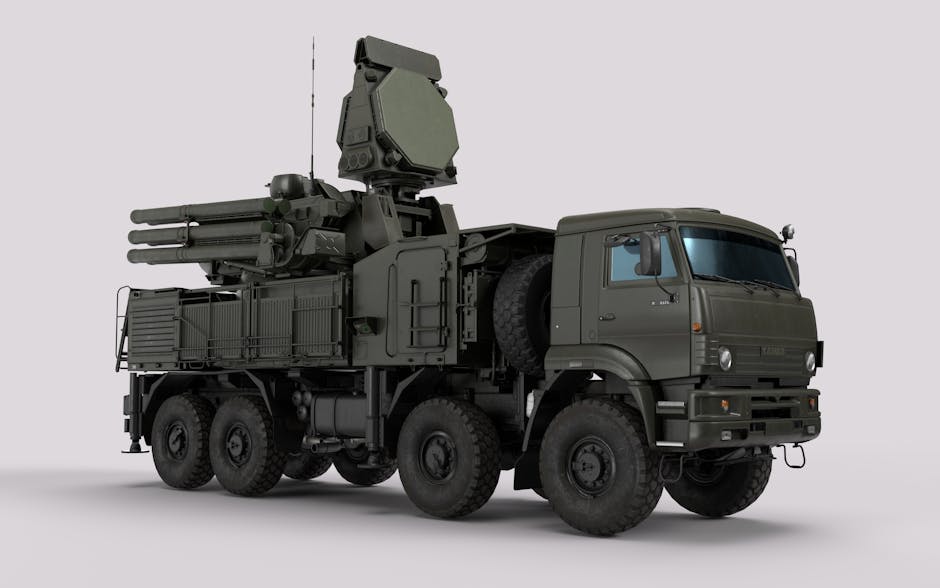
Furthermore, the West must grapple with the implications of this war. As tensions rise, the need for nations to bolster their defenses against such weaponry becomes increasingly urgent. Yet, could this also lead to an escalation of military spending and a new arms race? The potential for a catastrophic miscalculation looms large, as countries scramble to keep pace with Russia’s latest technological feats.
Critics of both sides argue about the morality of their actions—Russia claims to target military facilities, while Ukraine insists on its commitment to minimize civilian casualties. But amid the chaos, these arguments ring hollow when ordinary citizens lay dead or wounded, and cultural landmarks are obliterated.
The world cannot afford to remain a passive observer in this war. As each missile flies and lives are lost, the moral calculus grows ever more complicated. What are we prepared to sacrifice for the sake of technological superiority? The echoes of suffering remind us that, no matter how advanced the weapons become, it is the lives of everyday people that are forever altered in the heat of war.
This latest development is not just a military tactic; it’s a harbinger of what future conflicts might look like. As we witness the consequences of these hypersonic strikes, one must wonder: can we truly understand the cost of war when we allow technology to dictate the terms? The answer might haunt us for generations to come.
That tension around Hypersonic Warfare is not going away.
Source: France 24