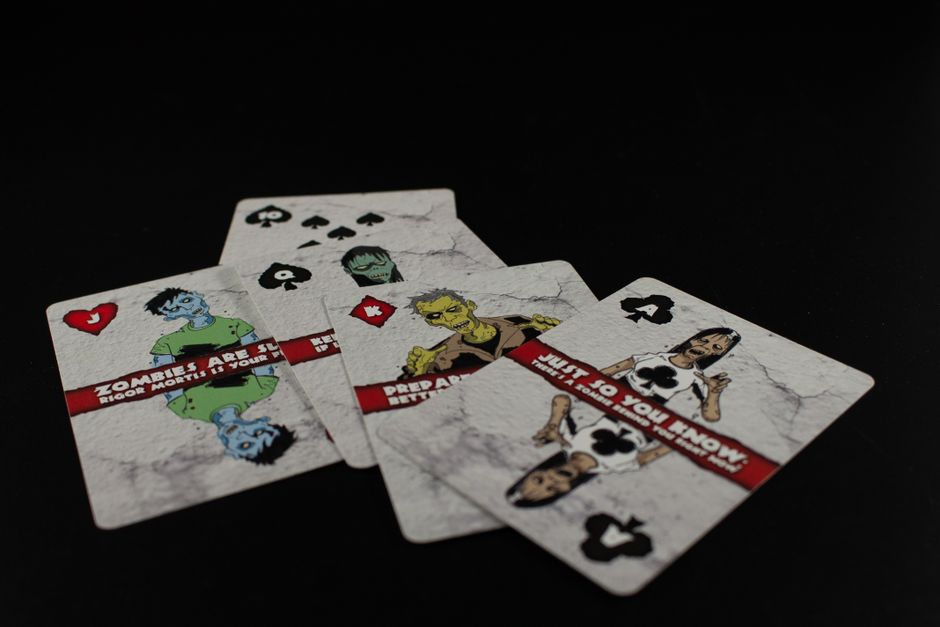
Another day, another grand promise of an ultimate crossover, though this one comes with considerably more gore and fewer diplomatic gaffes. The latest news involving the **Studios Behind** *Obsession*, *The Walking Dead*, and other horror stalwarts joining *Hellbreak TCG* certainly aims for peak genre indulgence, if not necessarily peak strategic depth from the outset.
The announcement, reported by Comicbook.com, positions *Hellbreak* as a nascent trading card game already boasting the frightful gravitas of public domain icons like Dracula, Jaws (a fascinating inclusion given its cinematic rather than literary origin), and the Bride of Frankenstein. Now, the Hellbreak team is throwing open the gates to a veritable pantheon of modern and cult horror, bringing in studios behind properties ranging from the cerebral chills of *Obsession* to the zombie-apocalypse sprawl of *The Walking Dead*. It’s a bold move in an already crowded market, staking a claim for the horror niche with a strategy that seems to be “collect them all, then make them fight.”
What landed
Credit where it’s due: securing such a diverse roster of horror IP is no small feat. The Comicbook.com report highlights the ambitious scope, noting the game’s existing stable of public domain horrors. Now, adding licensed giants from the studios responsible for *Obsession* and *The Walking Dead* elevates this from a curious indie project to a potential genre juggernaut. It’s a fan’s fever dream made manifest, promising battles between cinematic legends and television titans. The sheer breadth of horror on offer – from the shambling undead to psychological tormentors – suggests a game that could appeal to a very wide spectrum of horror aficionados. One can almost hear the collective gasp of a thousand horror fans at the prospect of pitting a character from *Obsession* against a walker from *The Walking Dead*. The potential for unique card art alone is enough to pique interest, offering a fresh take on familiar frights.
This move also signals a serious commitment from the Hellbreak developers, demonstrating that they’re not just dabbling in the horror space but aiming to dominate it. It’s an encouraging sign for players who might be wary of investing in a new TCG, suggesting a long-term vision and the financial backing necessary to bring such disparate IPs under one roof. The implication is clear: *Hellbreak* intends to be the definitive horror crossover experience, and they’re certainly putting their money, or rather, their licensing agreements, where their ambition is.
What doesn’t add up
While the ambition is commendable, the sheer volume of disparate IP raises immediate questions. The report from Comicbook.com paints a picture of genre synergy, yet one can’t help but wonder about the practicalities of melding the distinctly human terrors of *The Walking Dead* with the supernatural dread of a slasher franchise or the cosmic horror of *Obsession*. Mechanics that work for a slow-moving zombie horde might not translate well to a nimble, psychologically manipulative entity. Will every card simply be a stat stick with a horror skin, or will the game genuinely capture the unique essence of each property? The risk of diluting the individual terror of these iconic figures into generic card game abilities is substantial.
Furthermore, the phrase “ultimate horror game crossover” is a lofty, perhaps even hubristic, claim. The more IPs you cram into a single game, the greater the challenge of balancing them without creating an unwieldy mess or, worse, a game where only a handful of “meta” cards from the most popular properties ever see play. The danger is that the game becomes a collection of licenses first, and a coherent, engaging game second. Licensing these big names isn’t cheap, and the long-term viability will hinge not just on initial sales from curious fans, but on a robust and consistently engaging gameplay experience that justifies the continued investment in new content and competitive play. It’s a tightrope walk between fan service and genuine game design, and history is littered with IP-heavy games that stumbled attempting it.
What changes Monday morning? For the *Hellbreak* team, presumably, it’s a flurry of design meetings wrestling with how to make a character from *Obsession* feel distinct from, say, Frankenstein’s Monster, without breaking the game’s internal logic. For players, it means a new game to eye with a mix of excitement and cautious skepticism. The promise of an “ultimate horror game crossover” is a potent lure, but whether *Hellbreak* can deliver a game as compelling as its roster of horrors remains to be seen. The stakes are high: become the definitive horror TCG, or fade into the graveyard of ambitious, IP-laden projects.
Source: OnTheRecord