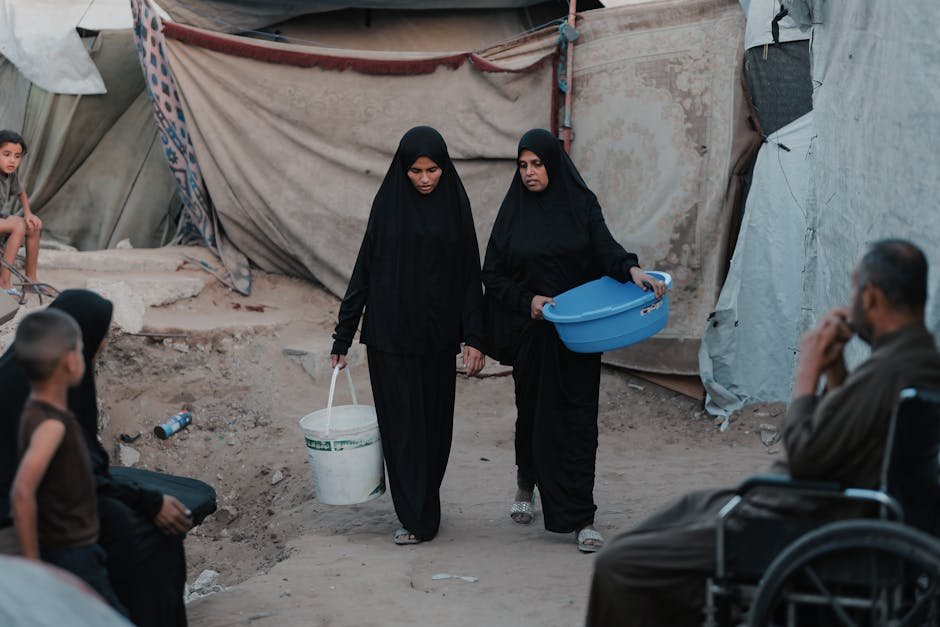
The stories of Gaza’s women are more than just accounts of survival; they are a searing indictment of the horrors being inflicted upon them by the machinery of war in the Middle East. How long can the world ignore these narratives before the weight of truth becomes too heavy to bear?
According to an op-ed by Olfat al-Kurd in The Guardian, since the assault on Gaza began in October 2023, countless lives—those of women, men, and children—have been shattered. Al-Kurd details her personal losses: her father, brother, his wife, and their daughter all buried under rubble that was once a home.
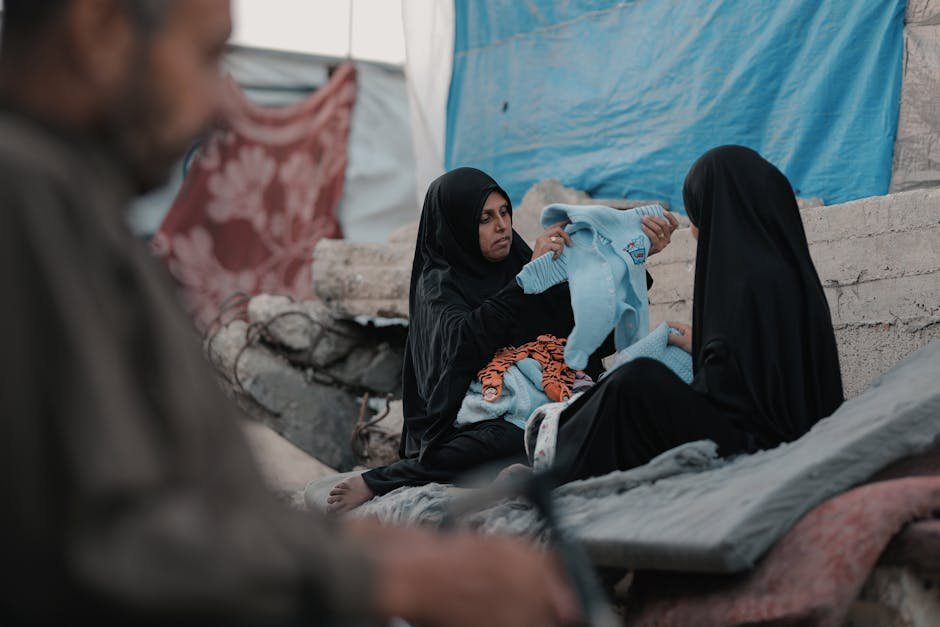
The Middle East Crisis and Its Human Toll
The heart of this conflict lies not merely in geography but in humanity—and particularly, in the disproportionate suffering of women. Al-Kurd’s chilling account sheds light on how the ongoing violence is systematically dismantling lives and eroding the fabric of society. Women in the Middle East, especially in conflict zones like Gaza, are often the overlooked casualties. They bear the brunt of violence while simultaneously shouldering the burden of family care and community resilience. The assault on Gaza has exacerbated this reality, compounding their suffering and resilience into an unbearable conflict.
As reports of bombings and destruction flood our media, the stories of women living through these horrors get lost in the cacophony. This is not just about physical destruction; it is about the obliteration of hope, community, and generational bonds. The emotional scars left on women like al-Kurd are profound, yet they are rarely given the platform they deserve. The mainstream narrative often simplifies the conflict into geopolitical chess moves, neglecting the personal, human dimensions that turn statistics into sorrowful realities.
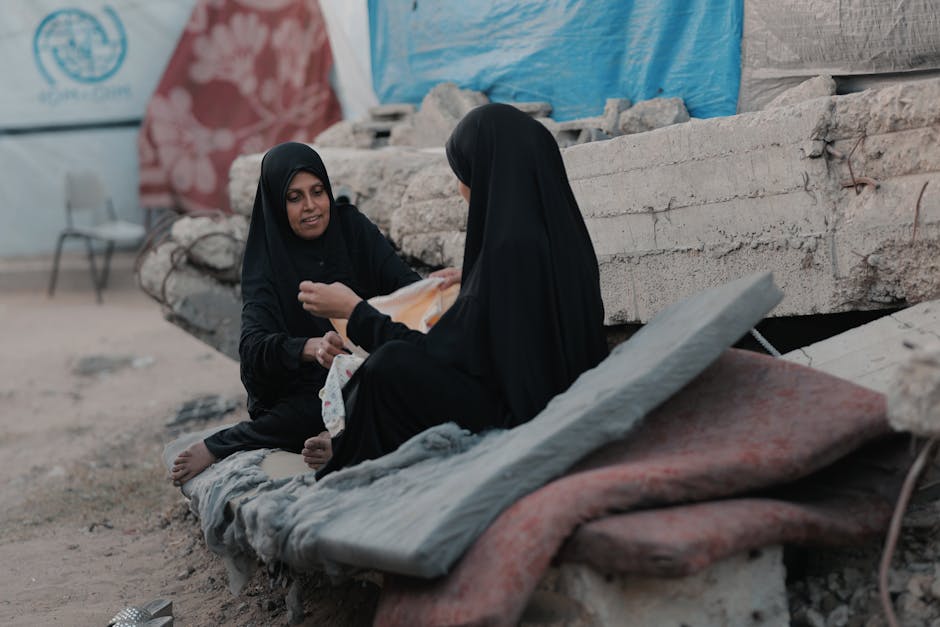
Who Wins and Who Loses in the Middle East?
As the international community grapples with this crisis, one must ask: who truly benefits from the ongoing turmoil in the Middle East? The scales of power tip in favor of those with military might, leaving ordinary civilians—especially women—trapped in an unforgiving cycle of violence and despair. The loss al-Kurd describes is not an isolated incident but emblematic of a larger, systemic issue. The failure to address the plight of women in Gaza is a failure of humanity itself.
The stakes are high: if this narrative continues to be overlooked, we risk perpetuating the cycle of violence even further. Women like al-Kurd are not just victims; they are resilience personified, warriors in their own right fighting against an unjust reality. The world must listen, not just to the statistics but to the harrowing, personal stories that illuminate the brutality of their existence. What happens when we continue to ignore their voices? We become complicit in their suffering.
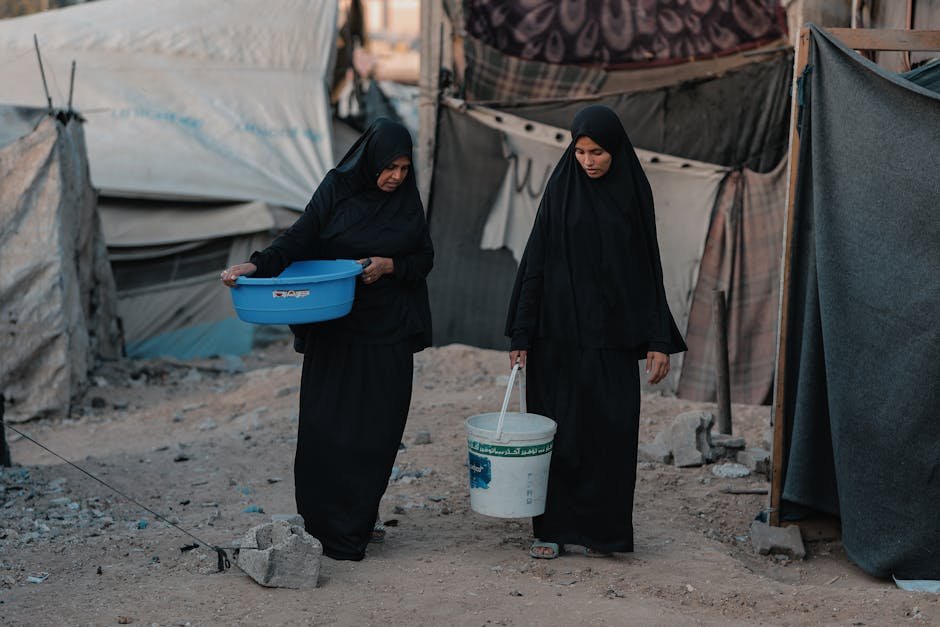
Maybe the real horror lies not just in what is happening in the Middle East but in our collective apathy towards it. How many more stories like al-Kurd’s must surface before we are forced to confront the uncomfortable truth? It’s time for the narratives of Gaza’s women to be recognized and respected, for in their words lies the reality of a region in turmoil—a reality that demands our attention and action. The question remains: will we finally listen, or will we let their cries fade into silence?
Source: Guardian Middle East