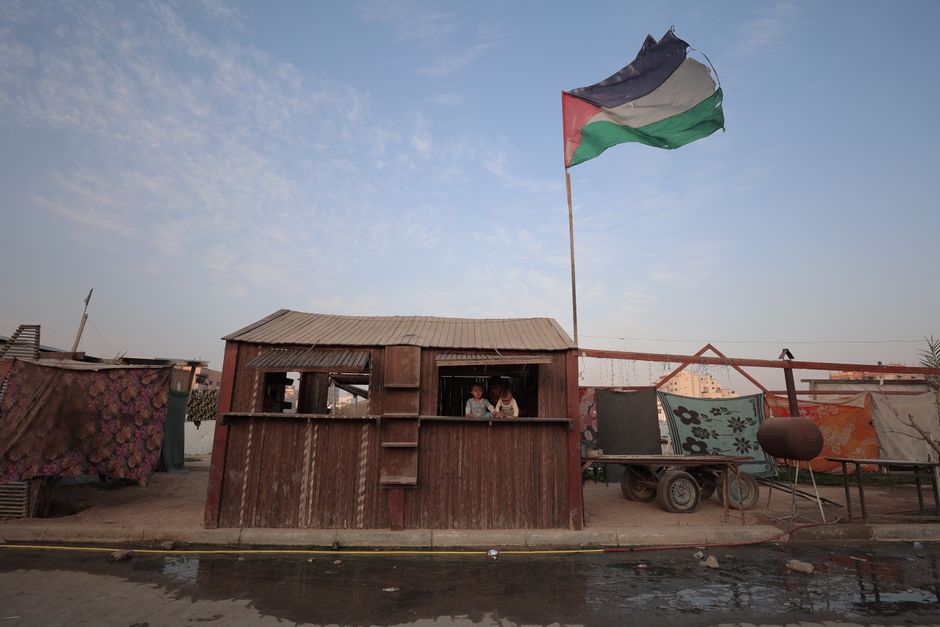
When the world’s cameras swing from runway glitter to the smoldering ruins of Gaza, the same question keeps echoing from the streets: residents *ask when* the bombs will finally stop. That simple phrase, stripped of any diplomatic jargon, lays bare a patience that has been ground to dust for three relentless years. It is a question that refuses to be silenced by glossy fashion spreads or celebrity endorsements of “peace”—it is a raw, human demand that the global elite keep ignoring.
According to NPR, families in Gaza have spent the last three years living under a blockade that has turned daily life into a survival marathon. The report notes that despite intermittent ceasefires and international pledges, the conflict shows no sign of abating, leaving civilians to wonder each sunrise whether the next will bring more destruction.
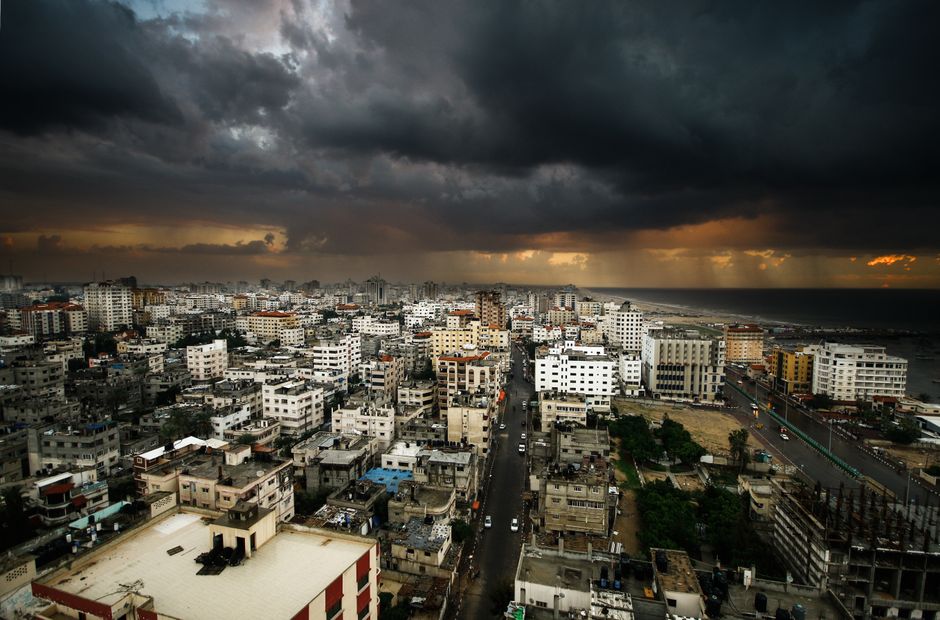
Why Gaza Residents Keep Asking When the War Might End
The persistence of the phrase *ask when* is not a rhetorical flourish; it is a symptom of a deeper, systemic failure. Since the 2023 escalation, Israel’s military campaign has been bolstered by a network of political allies who trade diplomatic applause for strategic silence. Meanwhile, the United Nations has issued countless resolutions that sit on shelves gathering dust, while aid convoys are delayed by bureaucratic red tape. The result is a generation that has grown up hearing the same promise of “soon” without ever seeing it materialize.
Adding to the tragedy is the stark contrast between Gaza’s night‑time blackouts and the bright lights of fashion weeks in Paris, Milan and New York. While designers unveil sequined gowns inspired by “future optimism,” Gaza’s children are fashioning makeshift masks from scrap cloth to protect themselves from shrapnel. The global fashion industry, which thrives on narratives of transformation and rebirth, has turned a blind eye, preferring to showcase the latest street‑style trends rather than the street‑style of survival. This cultural dissonance underscores a hypocrisy that the mainstream media conveniently sidesteps.
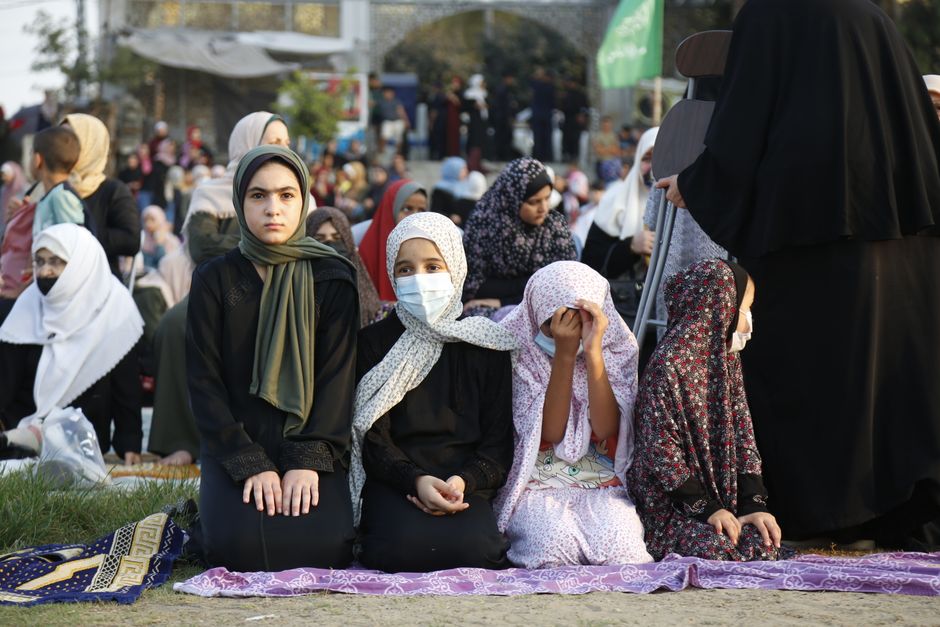
The war’s endurance also reshapes the very fabric of Gaza’s society. Schools have become shelters, and markets have morphed into distribution points for humanitarian aid. Women, who traditionally would have been at the forefront of fashion and style, now lead community kitchens, stitching together both food and hope with the same deft hands that once might have sewn a wedding dress. Their resilience is a silent protest that demands the world stop asking rhetorical questions and start answering the one that matters most: when will the violence end?
The Global Apathy and the Missed Opportunity
The international community’s response resembles a badly tailored suit—ill‑fitting, superficial, and ultimately ineffective. Western governments issue statements that read like press releases for a luxury brand launch, promising “new initiatives” while their foreign policies continue to fund the very mechanisms that perpetuate the conflict. This disconnect is not merely political; it is cultural. By allowing fashion editors to glorify opulent fabrics while ignoring the threadbare reality of Gaza, the world normalizes a status quo that benefits the powerful and marginalizes the vulnerable.
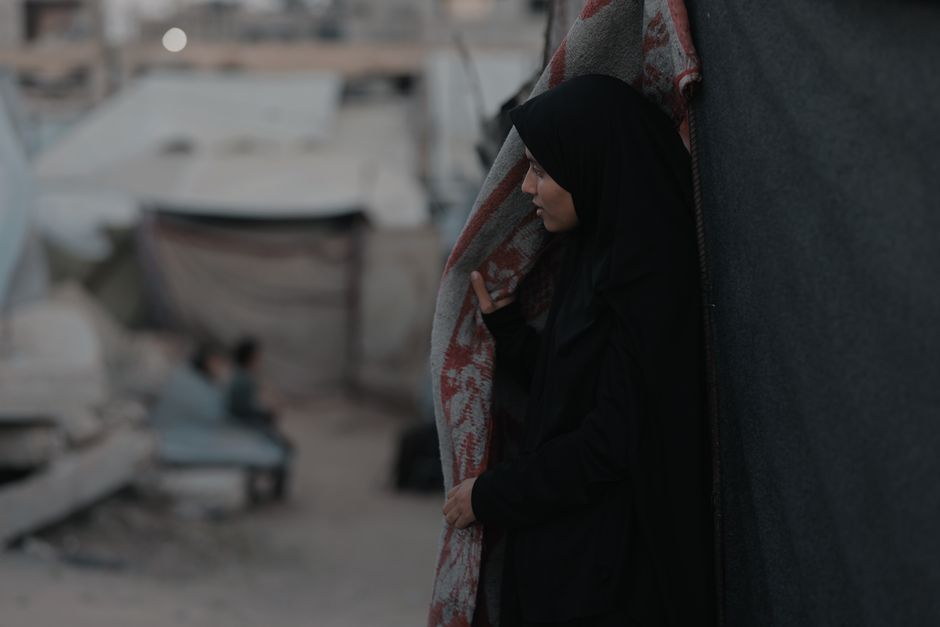
Critics might argue that focusing on style distracts from the core humanitarian crisis, but the two are inseparable. Cultural narratives shape public perception. When the glossy pages of Vogue celebrate a designer’s “war‑inspired” collection without acknowledging the human cost behind the inspiration, they tacitly legitimize the violence. Conversely, when activists harness fashion as a platform—using runway shows to showcase Palestinian embroidery, for instance—they turn the same medium into a tool for awareness and solidarity. The missed opportunity lies in the choice: either continue to dress the world’s conscience in silk and sequins while it stays numb, or let those very fabrics become banners of resistance.
Moreover, the economic ripple effects are profound. The blockade has crippled Gaza’s modest textile sector, once a source of modest income for families. As factories sit idle, the loss reverberates through the region’s supply chains, reinforcing the cycle of poverty that fuels desperation. International investors who tout “ethical sourcing” are complicit when they ignore the plight of workers whose livelihoods have been erased by the ongoing siege. In this light, the phrase *ask when* becomes a barometer of not just safety, but economic survival.
The stakes are clear: if the global community continues to treat Gaza’s suffering as a backdrop to its own cultural spectacles, the conflict will smolder longer, and the next generation will inherit a world where “peace” is a seasonal trend rather than a permanent state. The alternative—a concerted, unapologetic push to hold power‑brokers accountable, to channel fashion’s massive reach toward humanitarian advocacy—offers a path to transform the narrative from one of endless waiting to one of decisive action.
In the end, the question that Gaza’s residents *ask when* will be answered is more than a plea for an end to hostilities; it is a demand for dignity, for a future where their stories are not footnotes in a runway review. If the world can’t muster the courage to answer that simple, relentless question, then perhaps the true tragedy is not the war itself, but the silence that follows it. The choice is ours: continue to dress our indifference in silk, or stitch a new fabric of accountability and compassion.
Source: Google — Middle East