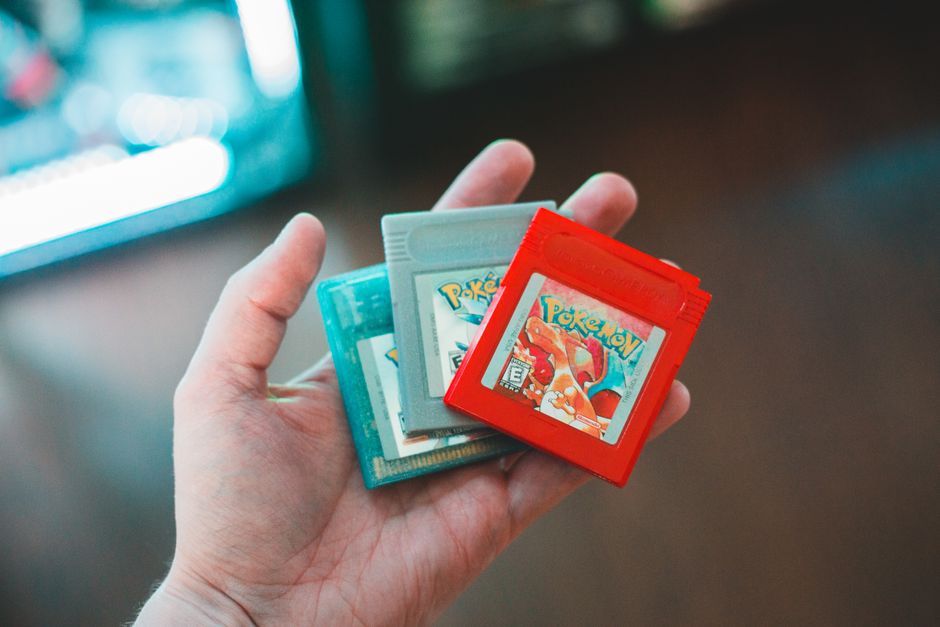
Is the gaming industry truly out of ideas, or are we simply too comfortable basking in the glow of our digital past? This isn’t just a philosophical musing; it’s a pressing question for an industry increasingly reliant on repackaging its greatest hits, rather than charting bold new courses. The latest evidence sails into view with the highly anticipated *Assassin’s Creed Black Flag* remake, a title promising to revisit the high seas of piracy after a thirteen-year wait.
According to BBC Technology’s Tom Gerken, he’s had a hands-on experience with this much-anticipated pirate game, confirming it has been remade from the ground up. This isn’t just a simple graphical polish; it’s a full reconstruction of a beloved title, aiming to leverage modern hardware for a new generation of swashbucklers.
The Pirate’s Return: Is Nostalgia Driving the Ship?
The buzz around the *Black Flag* remake isn’t just about a single game; it’s emblematic of a wider trend sweeping through the technology sector, particularly in gaming. Publishers, faced with escalating development costs and the ever-present pressure for quarterly returns, are increasingly turning to established intellectual property. Why risk billions on an unproven concept when you can almost guarantee sales by revamping a universally loved classic? This strategic pivot is a calculated move to mitigate risk in a volatile market.
This approach speaks volumes about the current state of innovation. While the tech world often champions disruption, the gaming industry seems more inclined to lean on the familiar. The decision to invest heavily in remakes rather than new, groundbreaking titles sends a clear signal to both developers and consumers. It suggests that immediate financial security often trumps long-term creative exploration.
Meanwhile, players themselves are complicit in this trend. The yearning for a beloved game, modernized for today’s visual standards, creates a powerful market demand. The promise of reliving youthful adventures with enhanced fidelity is a potent elixir for many. Yet, this collective yearning also inadvertently stifles the very innovation we claim to desire.
The market reaction to such announcements is telling. Investors often reward these “safe bets,” driving up stock prices and reinforcing the strategy. This creates a self-perpetuating cycle where the allure of guaranteed returns overshadows the potential for truly novel experiences. As the week unfolds, observe how market analysts react to these kinds of announcements; their assessments often reveal more about industry priorities than any developer keynote ever could.

The Real Cost of Reimagined Worlds
My hot take is simple: while a *Black Flag* remake might offer a temporary thrill, it’s ultimately a symptom of creative stagnation in the AAA gaming space. Who truly wins here? Publishers, undoubtedly, who get to recycle assets and storylines with reduced creative overhead, yet command full-price tags. Old fans get a visual upgrade, which is great for a fleeting moment of nostalgia.
However, the real losers are the players craving genuinely new experiences and the countless aspiring developers with original ideas struggling to find funding. This continuous cycle of remakes diverts immense talent and resources away from pushing the boundaries of interactive entertainment. Imagine the truly revolutionary games we could be playing if even a fraction of the budget for these remakes was allocated to experimental new IPs.
What’s more, this strategy fundamentally misunderstands the promise of technological advancement. With incredible leaps in AI and procedural generation, game development *should* be about creating vast, dynamic, and unprecedented worlds. Instead, much of this technological prowess is being channeled into polishing the graphical fidelity of games from over a decade ago. Is this the best use of our collective engineering brilliance? I think not.
The mainstream narrative often frames remakes as a gift to players, ignoring the opportunity cost. It glosses over the fact that innovation thrives on risk, not just refinement. While it’s fair to acknowledge that some remakes do genuinely improve on their originals, introducing classics to a new generation, the sheer volume of them raises uncomfortable questions. Are we fostering genuine artistic growth, or simply mining our past for diminishing returns?
This dependency on past glories could lead to player fatigue. How many times can we buy the same story, albeit with shinier pixels, before we demand something truly *new*? The market might be bullish on remakes now, but there’s a tipping point where consumers start to feel like they’re being sold the same meal repeatedly.
The *Assassin’s Creed Black Flag* remake, no matter how beautifully rendered, isn’t a sign of a vibrant, forward-looking industry. Instead, it’s a stark reminder that in the race for profits, genuine innovation often takes a backseat. We need to ask ourselves if we are content with simply re-experiencing the past, or if we demand a future where creativity is truly unbound. If we don’t, Monday’s market bell will only ring in more of the same, echoing the hollow promise of yesterday’s triumphs.
Source: BBC Technology