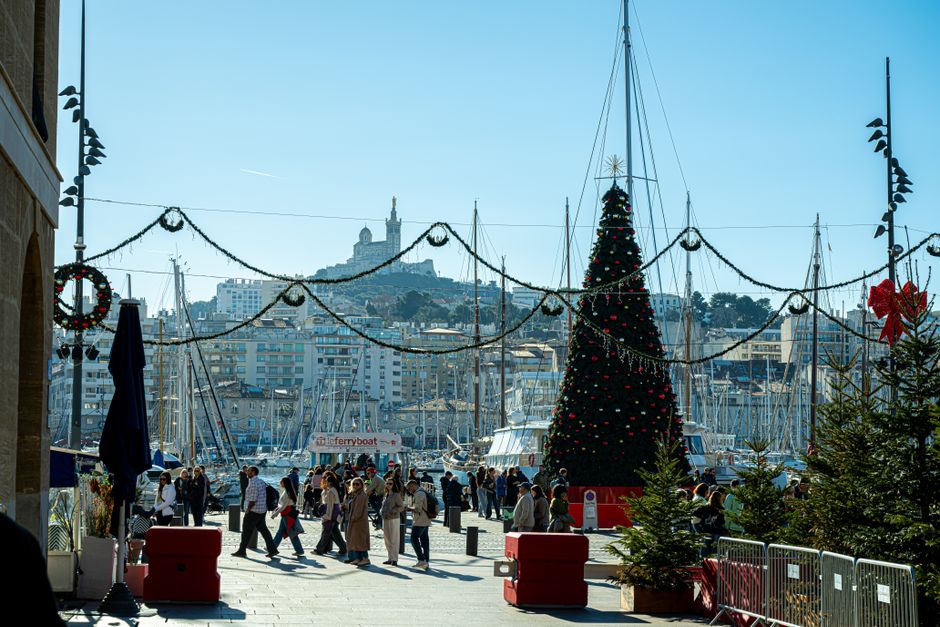
As summer descends upon France, the nation’s festive spirit is being put to the test, with traditional banquets sparking a heated debate about the state of French culture. According to France 24, these banquets have been marred by reports of racist slurs and Nazi salutes, prompting many to question whether these events are truly representative of French culture. Meanwhile, other gatherings like free parties and raves are also coming under scrutiny, with critics arguing that they are being instrumentalized for political gain.
The French have long been known for their love of celebration, with the phrase “faire la fête” deeply ingrained in the nation’s psyche. However, as the country grapples with issues of identity, migration, and security, the notion of French culture has become increasingly complicated. As a result, the traditional banquet, once a symbol of community and camaraderie, has become a lightning rod for controversy, with many arguing that it perpetuates a narrow, exclusionary vision of French culture.
Culture and Conflict: The French Dilemma
The rise of extremist ideologies and the increasing polarization of French society have created a perfect storm of conflict and tension, with culture often serving as a proxy for deeper political and social divisions. According to reports, the banquets have become a breeding ground for racist and xenophobic sentiment, with some attendees using the events to promote a toxic, nationalist agenda. As France struggles to balance its commitment to freedom of expression with the need to protect its citizens from hate speech and violence, the role of culture in shaping the nation’s values and identity has never been more critical.
In fact, the controversy surrounding the banquets is just one aspect of a broader culture war that is playing out across France. As the country navigates the challenges of migration, integration, and social cohesion, the notion of French culture has become a highly contested terrain, with different groups and ideologies vying for influence and control. On one hand, there are those who see French culture as a rich, vibrant tapestry of traditions and customs, worthy of celebration and preservation. On the other hand, there are those who view it as a stifling, outdated construct that perpetuates inequality and exclusion.
The Politics of Culture: Instrumentalization and Resistance
As the debate over French culture continues to simmer, it is clear that the stakes are high, with the future of the nation’s social fabric hanging in the balance. The instrumentalization of culture for political gain is a dangerous game, one that can have far-reaching consequences for the health and stability of French society. As a result, it is essential that French citizens and policymakers alike approach the issue of culture with sensitivity, nuance, and a deep respect for the complexities and diversity of the nation’s cultural landscape. By doing so, they can work towards a more inclusive, equitable vision of French culture, one that celebrates the country’s rich heritage while embracing its multicultural, multiracial reality.
In the end, the fate of French culture will depend on the ability of the nation’s leaders to navigate the treacherous waters of conflict and controversy, while remaining true to the values of liberté, égalité, fraternité that have long defined the French spirit. As the summer of 2026 wears on, and the banquets and festivities continue to unfold, one thing is certain: the battle for the soul of French culture is far from over, and the outcome will have far-reaching implications for the future of the nation, and the world beyond.

Source: France 24