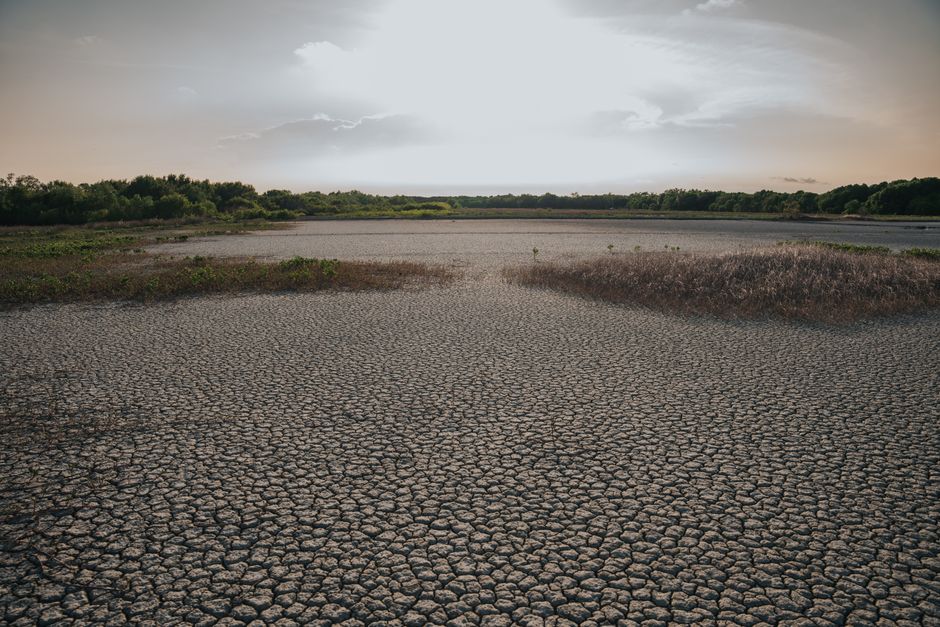
As the mercury rises to unprecedented levels, the question on everyone’s mind is how France will adapt to these recurrent heatwaves that are becoming the new norm. The country is battling its second consecutive heatwave in less than a month, with half of it under red alert, and the answer to how this will be managed is still unclear. According to France 24, temperatures are expected to soar to 43°C in the southwestern city of Bordeaux and 39°C in the capital Paris, leaving many to wonder how the nation’s infrastructure will cope.
The statistics are alarming, with Méteo-France reporting that out of 51 heatwaves recorded nationwide since 1947, two-thirds have occurred since 2000, and about half of those episodes in the last 15 years. This trend raises concerns about the long-term effects of climate change and how France will mitigate its impact. As the nation struggles to keep up with the rising temperatures, the question of how to adapt to these heatwaves is becoming increasingly pressing.

How to Mitigate the Effects of Heatwaves
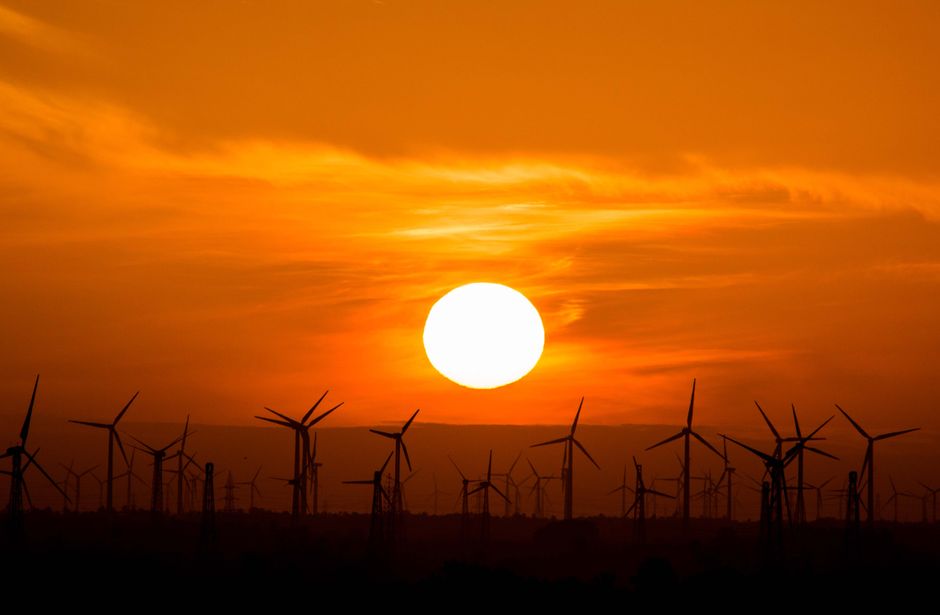
The French government is under pressure to find solutions to this mounting problem, and the answer to how this will be achieved lies in a combination of short-term and long-term strategies. In the short term, the government can implement measures such as providing cool spaces for citizens, distributing water, and offering medical assistance to those affected. However, in the long term, more drastic measures are needed, such as investing in renewable energy, increasing energy efficiency, and promoting sustainable land use. The key to how France will adapt to these heatwaves lies in its ability to transition to a more sustainable and resilient economy.
As the heatwave continues to grip the nation, the economic implications are also being felt, with many businesses forced to close or reduce their operations. The question of how this will affect the French economy is still uncertain, but one thing is clear: the cost of inaction will far outweigh the cost of implementing measures to mitigate the effects of heatwaves. Therefore, it is essential to consider how the government can support businesses and individuals affected by the heatwave, while also promoting sustainable practices that will reduce the risk of future heatwaves.
Adapting to a Changing Climate
The issue of how to adapt to recurrent heatwaves is not unique to France, but the country’s experience can serve as a model for other nations facing similar challenges. The solution to how this can be achieved lies in international cooperation and the sharing of best practices. By learning from each other’s experiences and adopting a proactive approach to climate change, nations can reduce the risk of heatwaves and promote sustainable development. As the world grapples with the challenges of climate change, the question of how to adapt to a changing climate is becoming increasingly important, and France’s experience can provide valuable insights into how this can be achieved.
Finding a Long-Term Solution
In the end, the answer to how France will adapt to recurrent heatwaves lies in its ability to find a long-term solution that addresses the root causes of climate change. This will require a fundamental transformation of the nation’s economy and society, with a shift towards sustainable practices and renewable energy. The question of how this will be achieved is still uncertain, but one thing is clear: the future of France and the world depends on it. As the nation continues to battle the heatwave, the question of how it will emerge from this challenge will be closely watched, and the answer will have far-reaching implications for the world.

Source: France 24