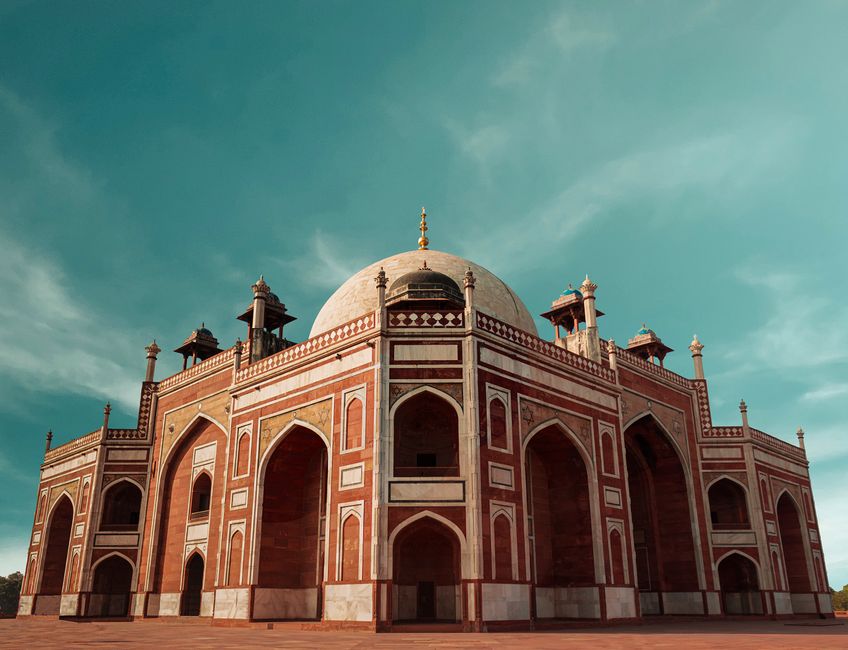
What can we truly know about life in Mughal India, a civilization that once spanned a vast portion of the Indian subcontinent? The answer, much like the empire itself, is complex and multifaceted. According to BBC Asia, thousands of forgotten news reports from the 1600s are now shedding new light on this period, particularly on the reign of Aurangzeb, one of the most controversial figures in Mughal history.
These reports, hidden away for centuries, provide a unique window into the daily life, politics, and culture of the Mughal world. Reuters reports that historians are abuzz with the discovery, as it promises to reshape our understanding of not just Aurangzeb, but the entire Mughal era.
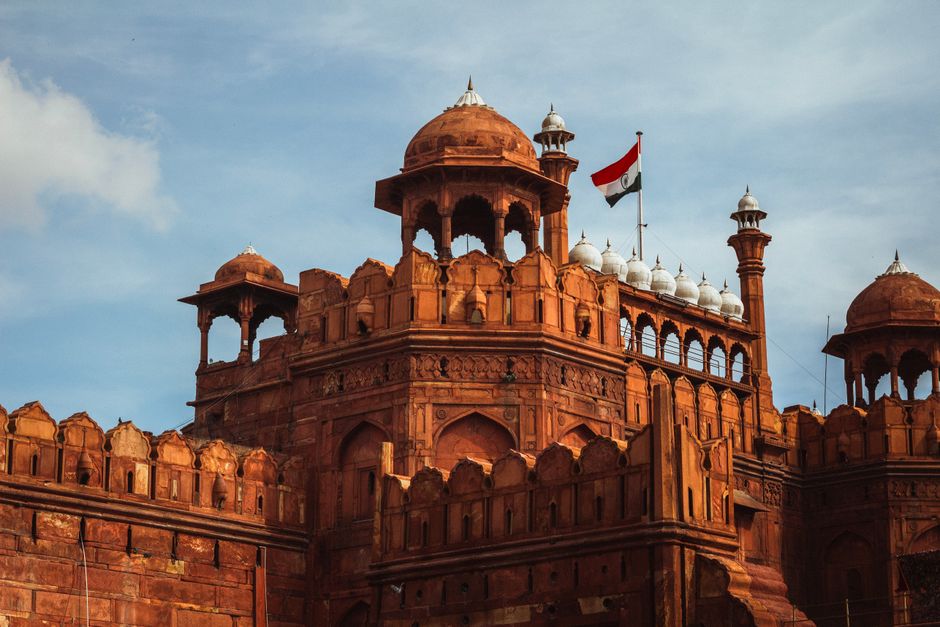
Understanding What Life Was Like
What these news reports reveal about the intricate social dynamics, the administrative structures, and the religious tensions of the time is nothing short of remarkable. The Mughal Empire, known for its architectural marvels like the Taj Mahal and its administrative prowess, was a complex tapestry of different cultures, religions, and ethnicities. However, what is often overlooked in the grand narrative of the empire’s achievements is the daily struggle, the political intrigue, and the social change that defined life for its subjects.
As a result, our understanding of what constituted everyday life in Mughal India is undergoing a significant shift. Historians are now able to delve deeper into what the average person experienced, beyond the grandeur of imperial courts and the splendor of monumental architecture. This shift in focus towards the mundane, the ordinary, and the overlooked aspects of history is crucial in painting a more comprehensive picture of what life was truly like under Mughal rule.
Meanwhile, the discovery of these news reports also highlights the importance of archival research and the role of what we consider ‘news’ in shaping historical narratives. What was once considered insignificant or mundane can now provide invaluable insights into the past. Therefore, the task of historians is not just to uncover what has been lost but to reinterpret what we already know in light of new evidence.
What Historians Are Missing
What historians might be missing, however, is the broader regional context in which the Mughal Empire operated. The empire was not an isolate entity; it was part of a larger geopolitical landscape that included other powerful states and empires in the Middle East and South Asia. Understanding what interactions and exchanges occurred between these entities can provide a more nuanced view of the Mughal world and its place in global history.
In fact, the regional focus, particularly on South Asia, is crucial for understanding the Mughal Empire’s rise, its zenith, and its eventual decline. What happened in the courts of Delhi, Agra, and Lahore had repercussions not just locally but across the region. The empire’s interactions with its neighbors, its vassal states, and its subjects all played a role in shaping what the Mughal world was and what it became.
On the other hand, the emphasis on local, daily life does not diminish the significance of the empire’s grand narratives. What the news reports from the 1600s offer is a complement to the existing historical record, a chance to see the Mughal world from a different perspective. As a result, our understanding of Aurangzeb, often portrayed as a ruthless and intolerant ruler, may also undergo a transformation. What emerges from these reports could challenge prevailing views, offering a more balanced view of his reign and its impact on the empire.
What the Future Holds
What the future holds for historical research, given these new findings, is exciting and unpredictable. The discovery of these news reports is not an isolated event but part of a larger trend in historical scholarship that seeks to uncover what has been forgotten, overlooked, or intentionally hidden. As historians continue to dig through archives, what they find will continue to reshape our understanding of the past, including the Mughal world and its place in history.
However, the task ahead is daunting. What these reports reveal about the past must be carefully analyzed and contextualized. The process of reinterpretation is ongoing, and it will take time to fully understand the implications of these discoveries. Nevertheless, the potential for a deeper, richer understanding of what life was like in Mughal India is vast. What historians are uncovering now will influence not just how we see the Mughal Empire but how we approach the study of history itself.
In conclusion, what we know about the Mughal world is changing, thanks to the discovery of these forgotten news reports. What the future holds for this line of research is promising, with the potential to challenge existing narratives and offer new insights into one of history’s most fascinating civilizations. As we continue to uncover what has been lost, we may find that our understanding of the past, and what it means for our present, is transformed forever. What remains to be seen is how these new findings will be received and how they will shape the broader narrative of South Asian history.
Source: BBC Asia