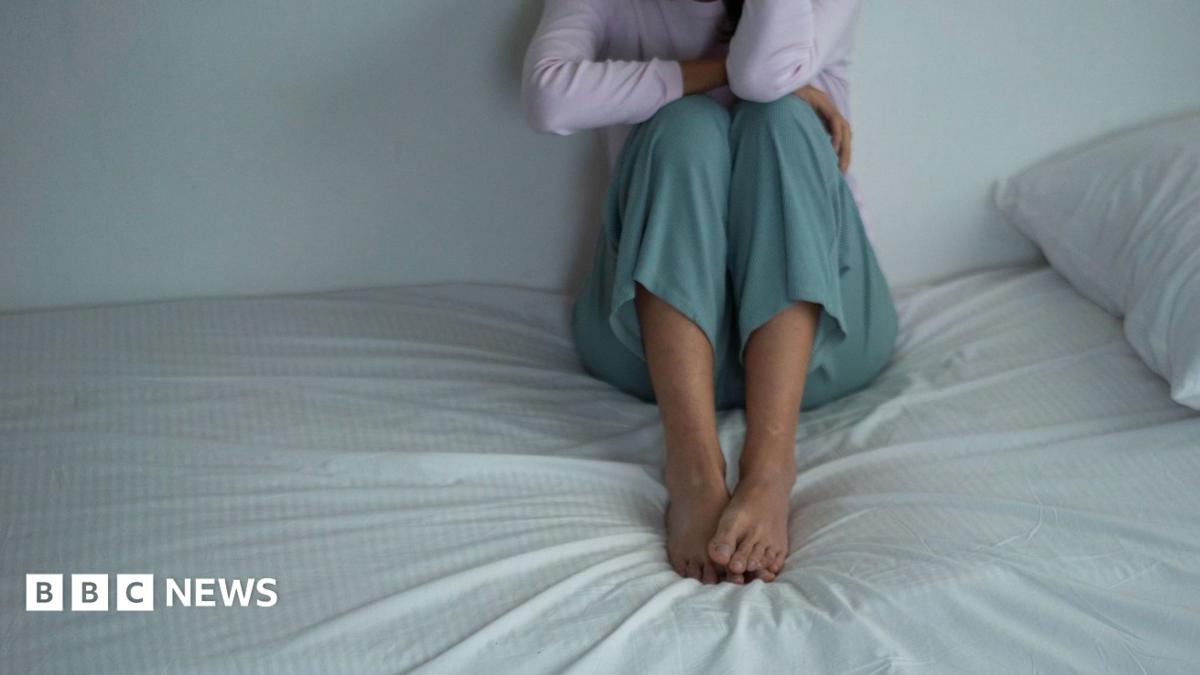
Forced to call a predator “Dad” is the grotesque shorthand for a scandal that should have been impossible in a modern care facility. The word *forced* echoes through the corridors of the Gyeonggi‑province home, a reminder that power can be weaponised against the most vulnerable, and that our society still lacks the digital safeguards that could have stopped it.
According to a BBC report, three residents of a state‑run care home for people with disabilities were sexually assaulted by a staff member over several months. One victim was made to address the abuser as “Dad,” a humiliation that only deepened the breach of trust. The perpetrator has now been arrested and will stand trial, but the damage to the survivors and the public’s confidence in the system is already profound.

Forced compliance in a broken system
The tragedy is not an isolated incident of individual depravity; it is a symptom of a system that allows abuse to fester unchecked. South Korea’s rapid economic rise has not been matched by an equally swift reform of its long‑term care infrastructure, which remains under‑funded and understaffed. In many facilities, staff ratios are low, documentation is paper‑based, and oversight relies on periodic, often superficial, inspections. This environment creates blind spots where a predatory employee can operate with impunity, forcing vulnerable adults into silence.
Moreover, cultural attitudes toward disability play a role. Historically, South Korean society has marginalized people with impairments, treating them as objects of charity rather than autonomous citizens. That stigma makes it easier for abuse to be dismissed as “family issues” or “misunderstandings,” and harder for victims to be believed when they speak out. The forced naming of the abuser as “Dad” underscores how the perpetrator manipulated familial language to blur boundaries and suppress dissent.

Technology, however, could have rewritten this narrative. In a world where AI‑driven monitoring systems are already deployed in hospitals and prisons, the absence of similar tools in care homes is glaring. Real‑time video analytics, wearable sensors that detect unusual physiological responses, and automated incident reporting platforms could flag suspicious behaviour before it escalates. If such systems had been installed, the forced silence of the victims might have been broken by an algorithm that noticed repeated proximity between the staff member and certain residents during odd hours.
The tech gap: why AI could have stopped the abuse
The South Korean government has invested heavily in AI research, yet the application of these advances to vulnerable populations remains limited. A robust AI framework for care homes would start with comprehensive digital records, replacing handwritten logs that are easy to alter or ignore. Machine‑learning models could then analyse patterns—such as a caregiver’s unusually frequent unscheduled entries into private rooms—and raise alerts for human review. Facial‑recognition software, already used in some retail settings to prevent theft, could verify that only authorised staff are present in sensitive areas.

Furthermore, wearable devices equipped with accelerometers and heart‑rate monitors could detect stress responses in residents who are unable to articulate their distress. When a sudden spike in cortisol‑related metrics coincides with a staff member’s presence, an automated notification could be sent to supervisors and, if necessary, to external watchdog agencies. This layered approach would transform “forced” compliance into a scenario where the system itself refuses to be coerced.
Critics argue that such surveillance infringes on privacy and could dehumanise care. While those concerns are valid, they must be weighed against the very real risk of unchecked abuse. A balanced solution would involve transparent policies, consent mechanisms, and strict data‑governance frameworks, ensuring that technology serves as a protective ally rather than an intrusive overseer. In practice, several European nations have piloted similar systems, reporting a measurable drop in incident rates without compromising dignity.
The failure to adopt these tools in South Korea reflects a broader reluctance to invest in preventative technology for social services. Budget allocations continue to prioritise infrastructure and defence, while the human‑rights budget for disability care remains marginal. As a result, the forced silence of victims persists, and the public is left to grapple with the aftermath of scandals that could have been avoided.
The upcoming trial will inevitably focus on the individual’s culpability, but the real question is whether the legal system can compel institutional change. If the courtroom ends with a conviction but the care home returns to business as usual, the forced narrative will simply be rewritten with a new perpetrator. To break that cycle, policymakers must treat technology not as an optional add‑on but as a mandatory safeguard for those who cannot protect themselves.
The story of a disabled resident being forced to call his abuser “Dad” should ignite a national conversation about how we leverage AI and digital oversight in the most intimate spaces of care. It is a stark reminder that when human vigilance fails, machines can step in—provided we give them the authority and resources to do so.
If South Korea chooses to ignore this lesson, it will continue to produce headlines that read like horror fiction, and the word *forced* will forever be a synonym for systemic neglect. If, however, it embraces a tech‑first approach, the next generation of care homes could become places where abuse is not just punished after the fact, but prevented before it ever begins. The choice, and the consequences, lie squarely in the hands of legislators, administrators, and the citizens who demand accountability.
Source: BBC Asia