
Financial Times frames the debate here: What does it take for journalists to unite across continents? The recent solidarity shown by Financial Times workers in both the United Kingdom and the United States is a compelling narrative that underscores the fragility of journalistic integrity in an increasingly polarized world. This story is not just local; it resonates across Europe and beyond, echoing the struggles of media professionals everywhere.
According to the National Union of Journalists (NUJ), employees at the Financial Times have banded together, signaling a collective stand on workplace conditions and the value of journalistic standards. This movement has garnered attention as it unfolds in the volatile landscape of modern journalism, where pressures from all sides threaten the very essence of reporting.
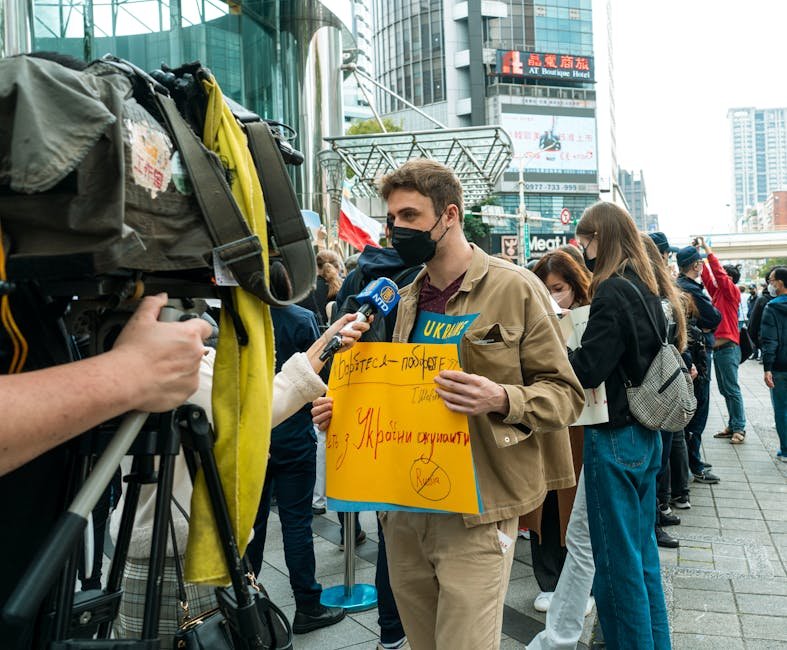
The Landscape of Journalism in Europe
The backdrop of this movement highlights a significant moment in the evolution of journalism in Europe. Economic uncertainties, political upheavals, and the relentless march of digital media have left many journalists feeling vulnerable and underappreciated. The Financial Times, known for its commitment to high-quality reporting, is now at the forefront of a struggle that transcends borders.
Both UK and US journalists are confronting similar challenges: layoffs, funding cuts, and a relentless demand for instant news updates that frequently sacrifices accuracy for speed. The Financial Times workers are responding to a broader crisis afflicting the media landscape—the need for a unified stance against exploitation and for the preservation of journalistic integrity.
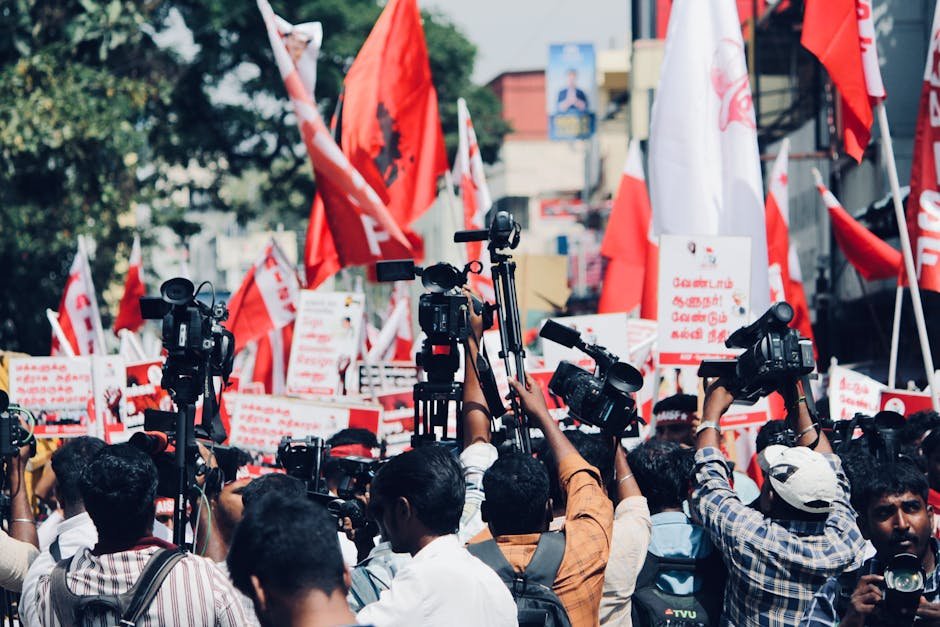
This situation forces us to analyze not just the Financial Times, but the entire media ecosystem in Europe. If journalists cannot rely on solid working conditions, the quality of the news is jeopardized, and public trust in the media erodes. This is a pivotal moment for media across Europe, where the stakes are not just about paychecks but about the future of reporting itself.
A Hot Take on the Future of Journalism
The success of the Financial Times workers’ efforts could set a precedent that reverberates across Europe and beyond. If they achieve their goals, it could inspire similar movements in other news organizations, ultimately leading to a renaissance in journalism that prioritizes integrity and fair labor practices.

However, the risks are palpable. If this movement falters, it could contribute to the continuing decline of quality journalism, not just in Europe but globally. The mainstream media narrative tends to overlook the profound implications of this fight. Observers might view it as just another labor dispute, dismissing its potential to redefine the relationship between media workers and corporate entities.
Moreover, the growing polarization in media consumption makes solidarity across different countries and cultures more crucial than ever. The question remains: will this unity among Financial Times workers serve as a catalyst for broader change, or will it be yet another fleeting moment in a history marked by disillusionment and fragmentation?
As we reflect on this moment, we must ask ourselves: are we ready to fight for the truth in Europe and ensure that journalists’ voices are heard loud and clear? The implications of this solidarity reach far beyond the walls of any newsroom, challenging us to consider the very foundations of our democratic societies. The next chapter in this story will reveal whether the collective action taken by these journalists will spark hope or remain a mere footnote in the history of modern journalism.
Source: Google — UK & Europe