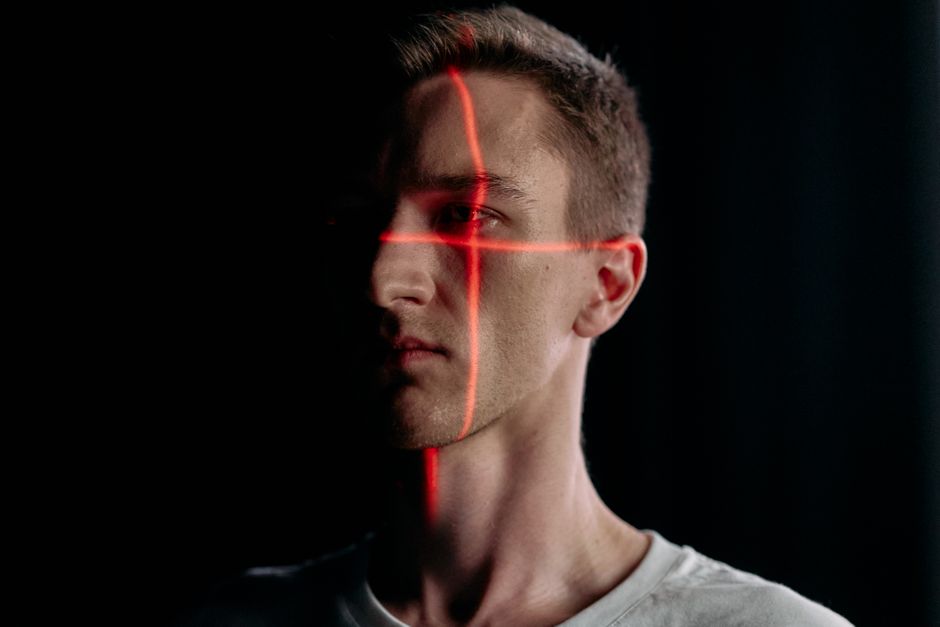
Forget the beautiful game; the real match is being played in the control room. We’re told that **Tech Now** is all about enhancing the fan experience, ensuring fairness, and bringing us closer to the action. But what if the very technology designed to purify the pitch is actually paving the way for something far more insidious, extending beyond sports into the realm of control and digital security?
According to BBC Technology, Shiona McCallum recently visited FIFA Headquarters in Zurich to observe the cutting-edge tech slated for use in the upcoming World Cup. This isn’t just about goal-line sensors anymore; it’s a comprehensive suite of digital innovations aimed at every facet of the tournament.
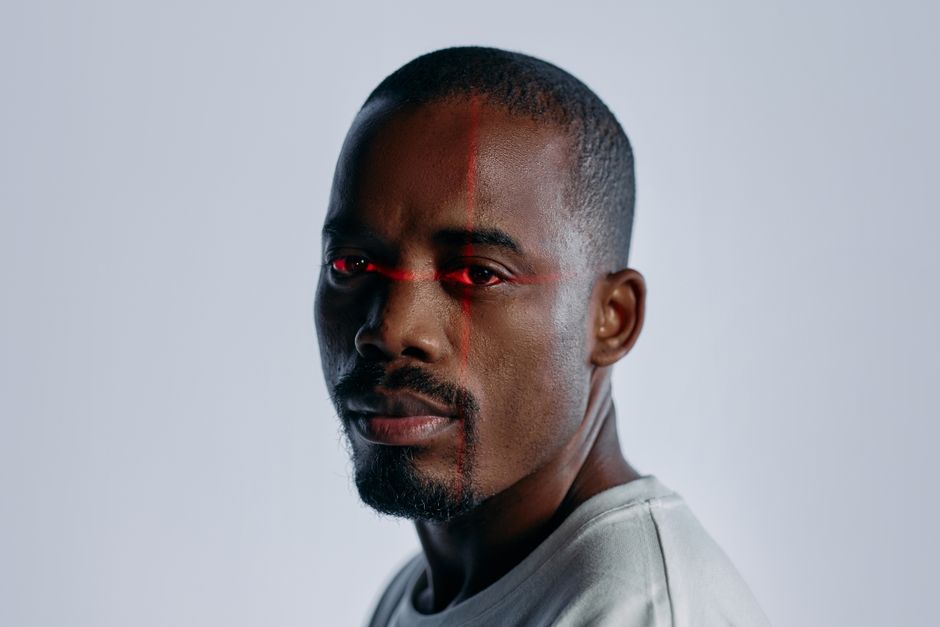
The Digital Fortress of FIFA: Tech Now and Global Stakes
This isn’t just a simple upgrade; it’s a declaration. FIFA, an organization no stranger to controversy and scrutiny, is embracing technology to an unprecedented degree. Why now? Part of it is undoubtedly about optics: demonstrating a commitment to transparency and accuracy after decades of officiating blunders and corruption scandals. Moreover, the global audience demands a slicker, more interactive experience, blurring the lines between physical attendance and virtual engagement. This drive for precision and engagement also plays into the broader geopolitical landscape, where data is power and technological dominance is a key battleground.
Consider the players involved: not just athletes and referees, but the multi-billion dollar tech companies vying for contracts, the governments eager to showcase their digital infrastructure, and the legions of fans whose data becomes a valuable commodity. This push for advanced **Tech Now** solutions in a global spectacle like the World Cup reflects a broader societal trend where every major event, every public gathering, becomes a data-rich environment. In an era increasingly defined by digital conflict and cyber warfare, even the most seemingly innocuous technological integration carries hidden implications for security and control, turning a sports arena into a potential digital battleground.
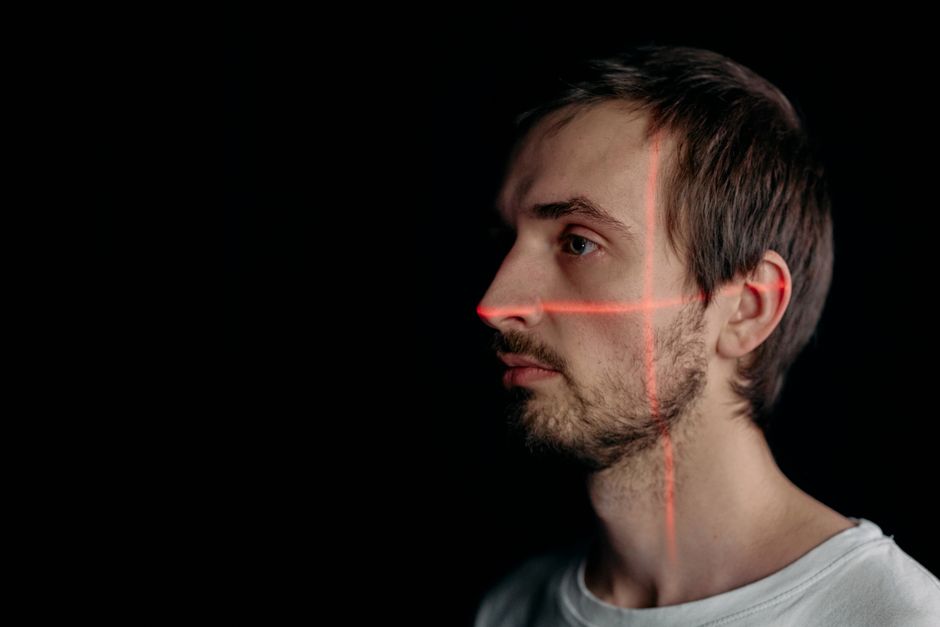
Whose Game Is It Anyway? The Security Implications of Tech Now
Here’s the rub: while the official line champions fairness and fan engagement, the underlying current points towards an unprecedented level of surveillance and control. Every data point, every precise measurement, every biometric scan — whether for player performance or crowd management — contributes to a vast digital footprint. We’re told this is to prevent on-pitch “conflict” and ensure smooth operation, but the same systems that monitor a player’s offside position could, in a different context, track dissidents or manage populations.
The mainstream narrative focuses on the benefits, yet it conveniently sidesteps the inherent risks. Who owns this data? How secure is it from state-sponsored hacks or corporate exploitation? What happens when the infrastructure powering the “fair game” is itself vulnerable, or worse, weaponized? In a world grappling with digital conflict and an ever-expanding surveillance state, the enthusiastic adoption of comprehensive **Tech Now** in high-profile events normalizes advanced monitoring. It desensitizes us to the idea that our movements, our preferences, even our physiological responses, can be cataloged and analyzed by powerful, often opaque, entities. The very act of watching a game becomes a contribution to an enormous data reservoir, ripe for various, often undisclosed, uses.
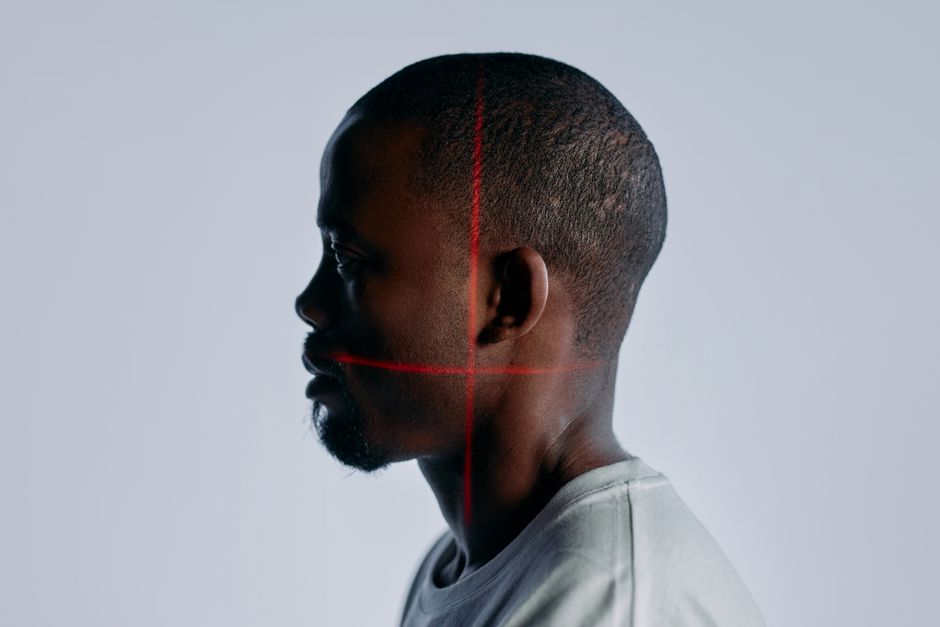
This isn’t just about FIFA’s reputation; it’s about setting a global precedent. When a behemoth like FIFA implements systems capable of such granular oversight, it sends a clear message: the future of mass events, whether sporting, cultural, or political, will be mediated and monitored by technology. The line between protecting the integrity of a game and monitoring human behavior becomes perilously thin. Is this truly about a better game, or is it a sophisticated exercise in data harvesting and control, disguised as progress, all while the world faces real conflicts rooted in information and security? The real question isn’t whether the tech works, but who it truly serves.
Source: BBC Technology