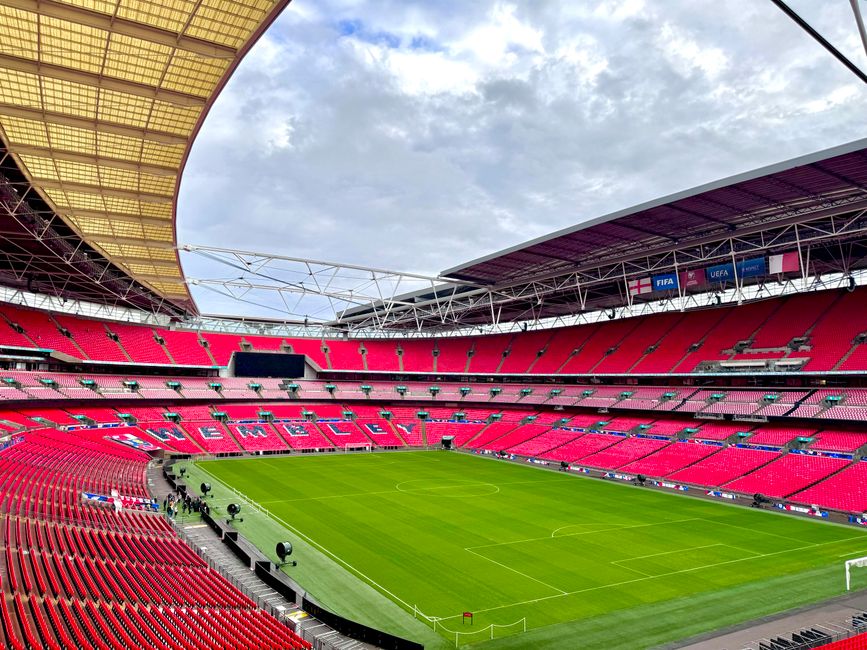
The **English** FA has finally made a move that could reshape the global football landscape, turning its back on a controversial FIFA presidency.
The English Football Association, long a quiet but significant player in FIFA’s intricate political theatre, has reportedly decided to withdraw its endorsement for Gianni Infantino’s bid for the FIFA presidency. This pivot, as reported by PunchNG, comes on the heels of the spectacular collapse of Infantino’s “controversial World Cup privatisation plan.” For years, the FA has been a pillar of support for the FIFA incumbent, navigating various scandals with a stoic, if occasionally uncomfortable, silence. Now, that silence has broken, and with it, a critical alliance has fractured.
What landed
While there wasn’t a formal sit-down interview detailing the FA’s epiphany, their reported decision speaks volumes. The collapse of Infantino’s audacious scheme to privatise the World Cup, a move that would have fundamentally altered football’s crown jewel and potentially siphoned off significant revenue streams, clearly pushed the FA past its breaking point. One might infer that the FA’s current position signals a belated recognition that some plans are simply too audacious, too far-reaching, and too financially opaque to warrant continued backing. This isn’t just about the optics of a controversial proposal; it’s about the very economic bedrock of the sport. The FA’s move, reported by PunchNG, is a statement delivered not through carefully worded press releases, but through the significant act of withdrawing critical political support – a manoeuvre that suggests a sudden, sharp intake of breath at FIFA’s latest financial gymnastics. The subtext is clear: the FA, it seems, has decided that some lines, however blurry they’ve been in the past, are not to be crossed, especially when they threaten the integrity and public perception of football’s most valuable asset. This shift, while overdue, offers a glimmer of hope that accountability, even in the labyrinthine world of football governance, might not be entirely defunct.
What doesn’t add up
The real head-scratcher here isn’t the FA’s current stance, but the protracted journey to get there. For years, the FA has stood by Infantino, through controversies great and small, from World Cup bids shrouded in ethical fog to decisions that seemed to benefit everyone but the average football fan. Their previous unwavering support for Infantino now looks less like steadfast loyalty and more like a curious case of political amnesia, or perhaps a tactical calculation that simply ran its course. One must wonder what precisely distinguishes this “controversial World Cup privatisation plan” from the *other* controversial plans and decisions that preceded it. Was this the first time the FA truly grasped the implications, or merely the first time it was politically expedient to act? The sudden indignation, while perhaps welcome, raises eyebrows regarding what exactly constituted an acceptable level of controversy before this particular bridge proved too far. It’s almost as if the FA, having lent Infantino a rather large loan of credibility, is now suddenly demanding repayment – with interest – only when the principal borrower threatened to dismantle the very house they all live in. The timing, notably after the plan’s *collapse* rather than during its initial proposal, adds another layer of cynicism. It suggests a reactive posture rather than a principled stand, a move calculated to align with public sentiment rather than to lead it. The FA, it seems, is quite adept at reading the room, even if it took a while to find the light switch.
Come Monday morning, the landscape of global football politics will look discernibly different. The **English** FA’s defection isn’t just a symbolic gesture; it’s a direct challenge to Infantino’s authority and could well trigger a domino effect among other national associations. The stakes are high: for Infantino, it’s a test of his remaining influence, and for FIFA, it’s a fresh call to examine who truly benefits from its grand schemes. The FA, having finally spoken with its feet, has put the ball squarely back in FIFA’s court.

Source: OnTheRecord