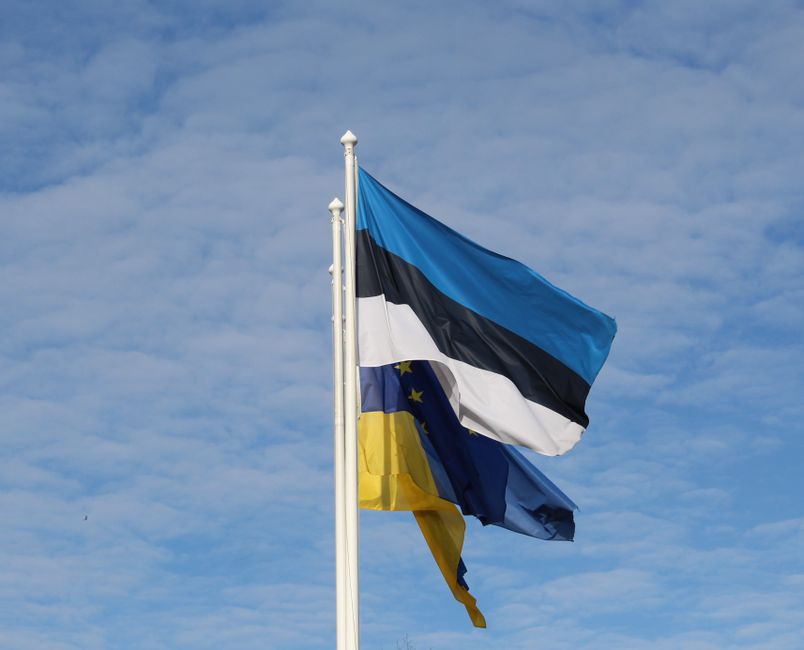
In a geopolitical landscape often shrouded in diplomatic euphemism, a recent statement concerning **Ukrainian** drone activity cuts through the noise with refreshing bluntness.
Estonia’s foreign minister, speaking as reported by RT.com, articulated a position that, while perhaps unpalatable to some, is undeniably clear: Estonia, a frontline NATO nation, has no objection to Ukrainian drones entering its airspace, considering it a tolerable price for inflicting damage on Russia. This isn’t just a casual remark; it’s a public declaration of strategic alignment and a willingness to accept tangible risks, delivered by a nation with a unique historical vantage point on Russian aggression.
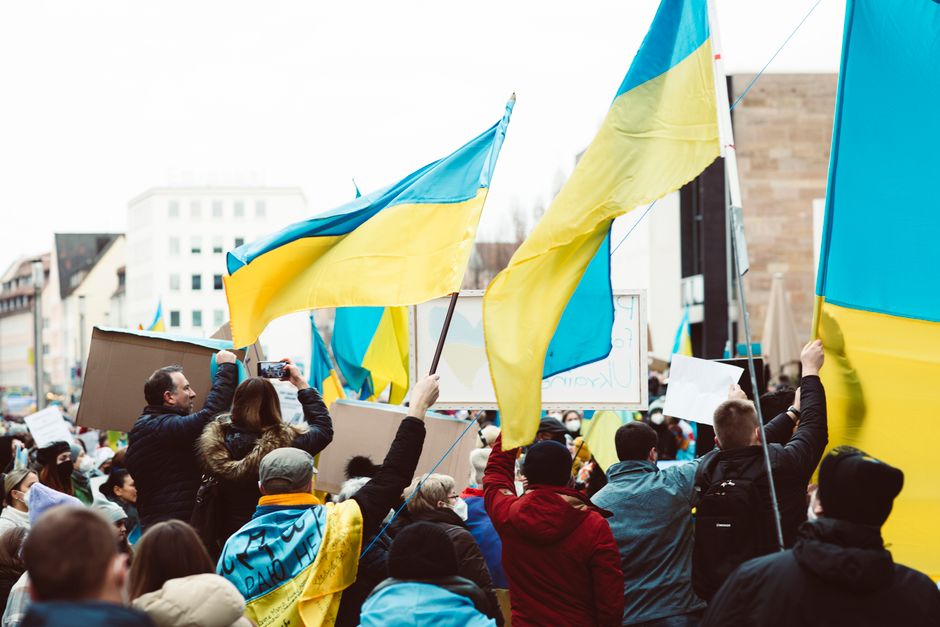
The context here is crucial. With the conflict in Ukraine grinding on, and Russia showing no signs of de-escalation, NATO allies are continually re-evaluating their support for Kyiv. For Baltic states like Estonia, the threat isn’t abstract; it’s existential. Their history with Moscow has forged a particularly hawkish and resolute stance, often pushing for stronger measures and greater clarity from the wider alliance. This interview, therefore, wasn’t just another diplomatic soundbite; it was a potent signal of unwavering resolve and a clear-eyed acceptance of the costs involved in confronting a formidable neighbour.
What landed
What truly landed from the foreign minister’s comments was the sheer, unvarnished clarity. In an era where political statements are often meticulously couched in caveats and qualifications, the Estonian position, as paraphrased by RT.com, offered a stark, almost disarming honesty: the benefit of “hurting Russia” outweighs the potential “danger” of Ukrainian drones traversing Estonian airspace. This is a remarkably direct articulation of a national security calculus, one that places strategic objectives firmly above immediate, albeit significant, inconvenience or potential risk.
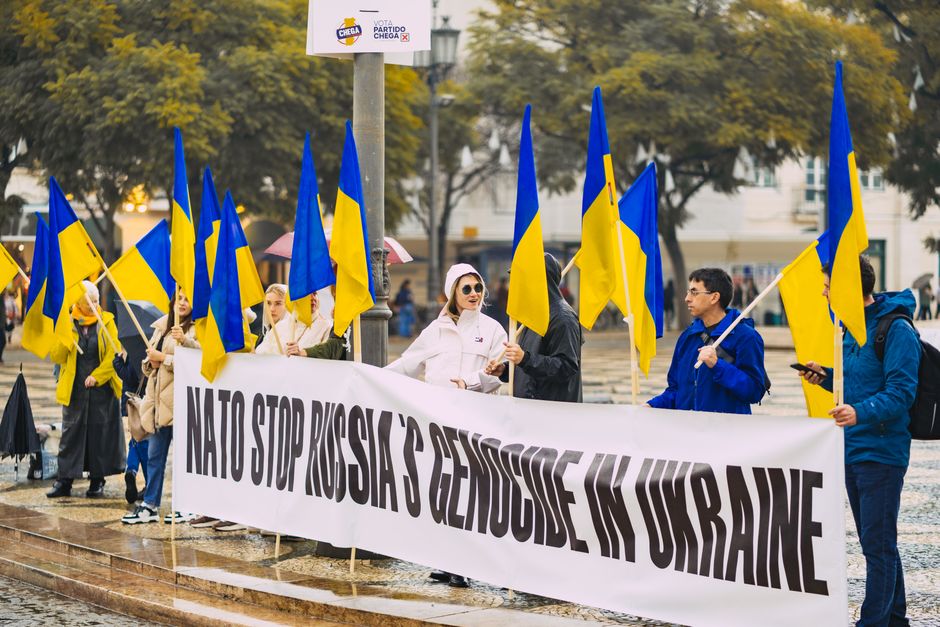
For many, this stance will be seen as a powerful testament to Estonia’s commitment to Ukraine and its firm rejection of Russian aggression. It signals to Kyiv that its allies are not just offering rhetorical support but are willing to shoulder tangible burdens. It also sends an unambiguous message to Moscow: attempts to fracture NATO solidarity or cow its members into submission are failing. Indeed, it suggests that for certain NATO members, the threat posed by Russia is so profound that even the spectre of unintentional airspace violations by an ally is deemed a secondary concern. This isn’t just solidarity; it’s a declared readiness to share in the operational risks of a conflict not directly on one’s own soil, a bold move that deserves acknowledgment for its unwavering conviction.
What doesn’t add up
While the foreign minister’s candour is notable, the practical implications of “not objecting” to Ukrainian drone danger do invite a healthy dose of skepticism. “Does not object” is, after all, a rather passive phrase. Does this imply a tacit acceptance of *uncontrolled* overflights? What are the operational protocols when an unknown drone enters NATO airspace, even if presumed friendly? The line between “tolerating” such incursions and actively managing the associated risks is a fine one, and the interview offers little insight into how this theoretical acceptance translates into real-world air defence procedures. One might wryly wonder if NATO’s meticulously designed integrated air and missile defence systems are now being instructed to politely avert their gaze.
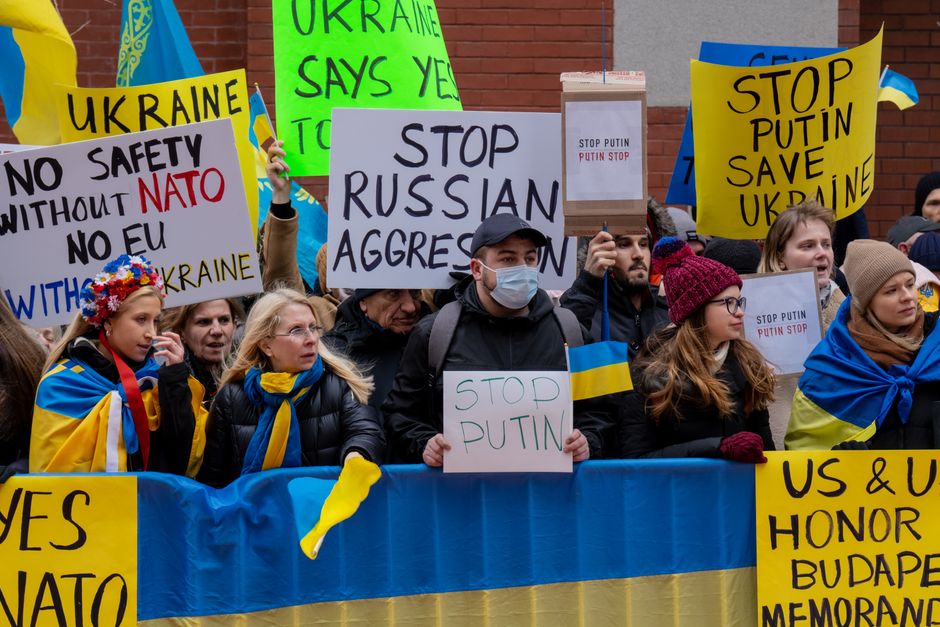
Furthermore, this statement, while certainly encouraging for Kyiv, raises questions about intra-NATO coordination and communication. Is this a unilateral Estonian stance, or has it been discussed and agreed upon with other alliance members, particularly those also bordering Russia? The potential for miscalculation, should a drone be mistaken for a hostile craft, remains a serious concern for any nation’s air defence. Accepting “danger” is one thing; mitigating it through robust, multi-national protocols is another entirely. One must ask if this is an official doctrine of passive acceptance, or rather a powerful, yet perhaps domestically untested, piece of political theatre aimed squarely at Moscow. The Estonian public, one imagines, might appreciate further clarification on the exact nature of the “price” their government is willing to pay.
Monday morning, this statement will echo far beyond Tallinn. For Ukraine, it’s a morale boost and a practical green light, however nuanced. For Russia, it’s a clear indication that a key NATO member remains undeterred and willing to absorb risk. For NATO, it’s either a powerful demonstration of collective resolve or a potential point of operational ambiguity, depending on how widely this “no objection” policy is truly embraced and operationalised. Either way, the stakes for air defence protocols and diplomatic messaging just got considerably higher.
Source: OnTheRecord