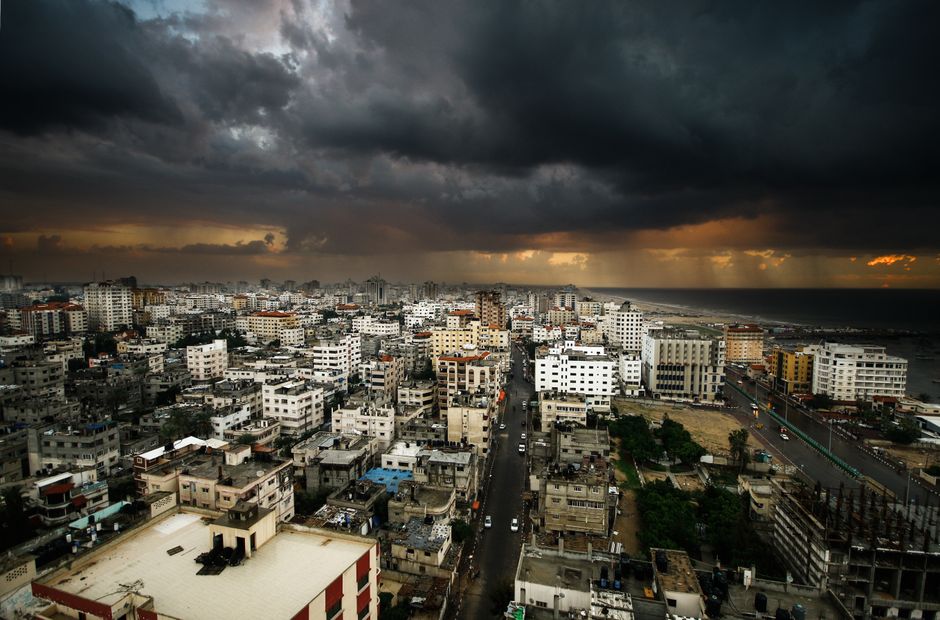
The world’s biggest humanitarian lifeline is choking off just as the conflict in Gaza reaches its most desperate phase. The very name “Gaza” now evokes a looming crisis of hunger that even the United Nations’ own food arm cannot fully stave off.
According to the BBC, the World Food Programme (WFP) announced it must slash food distributions in Gaza because donor contributions have dried up faster than the aid trucks can roll in. The agency says it will cut rations for hundreds of thousands of civilians, a move that threatens to push already‑starved families back into the brink.
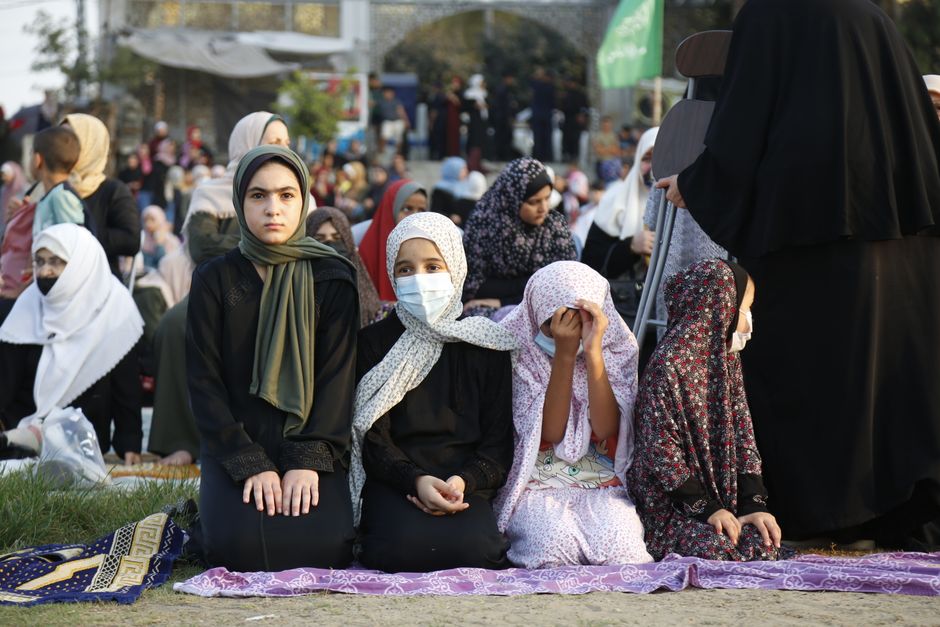
Why the Gaza aid cuts matter now
The timing is anything but accidental. After months of relentless bombardment, Gaza’s infrastructure is a shattered maze of rubble, with water, electricity and health services all but collapsed. Humanitarian agencies have been scrambling to keep a thin thread of aid flowing, but donor fatigue is now palpable. In the United States, Congress remains dead‑locked over a supplemental aid package, while in the United Kingdom the recent election has turned foreign aid into a partisan football. As a result, the cash streams that fund the WFP’s operations have stalled, leaving the agency with a budget shortfall it cannot cover.
Meanwhile, the political calculus in Washington and London has shifted dramatically over the weekend. A high‑profile visit by a senior US senator to Israel sparked a wave of media coverage that painted the conflict in starkly binary terms, sidelining the humanitarian dimension. In Britain, a newly formed coalition government has pledged to review its overseas aid commitments, signalling that funds earmarked for crises like Gaza could be re‑allocated to domestic priorities. The confluence of these developments means the WFP is not simply facing a temporary glitch; it is confronting a structural erosion of the financial base that underpins its emergency response.
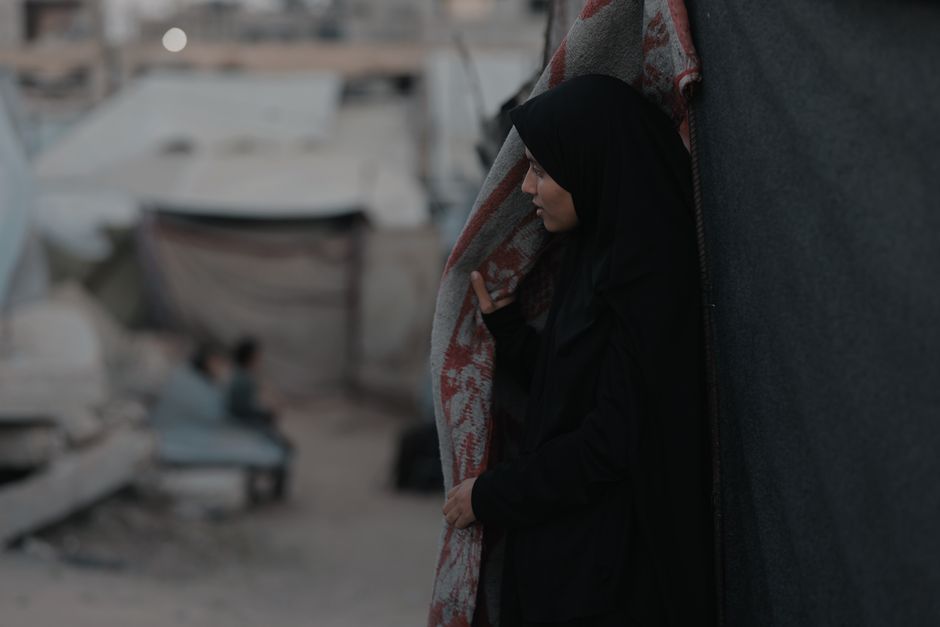
The players are clear: the WFP, caught between its mandate to save lives and the harsh reality of dwindling contributions; donor governments, juggling domestic political pressures; and the civilians of Gaza, who have no capacity to influence any of it. The agency’s decision to trim food parcels is therefore both a symptom and a catalyst—an indicator that the global community’s appetite for sustained humanitarian spending is waning, even as the need on the ground intensifies.
The wider fallout of shrinking humanitarian support
The immediate impact is obvious: fewer meals per day, increased reliance on makeshift kitchens, and a surge in market prices for whatever scarce staples remain. But the longer‑term repercussions could reshape the entire aid architecture in the region. If the WFP cannot secure reliable financing for Gaza, other NGOs may follow suit, creating a domino effect that erodes the overall capacity of the humanitarian sector. This could embolden extremist groups that thrive on chaos, as desperation fuels recruitment and radicalization.
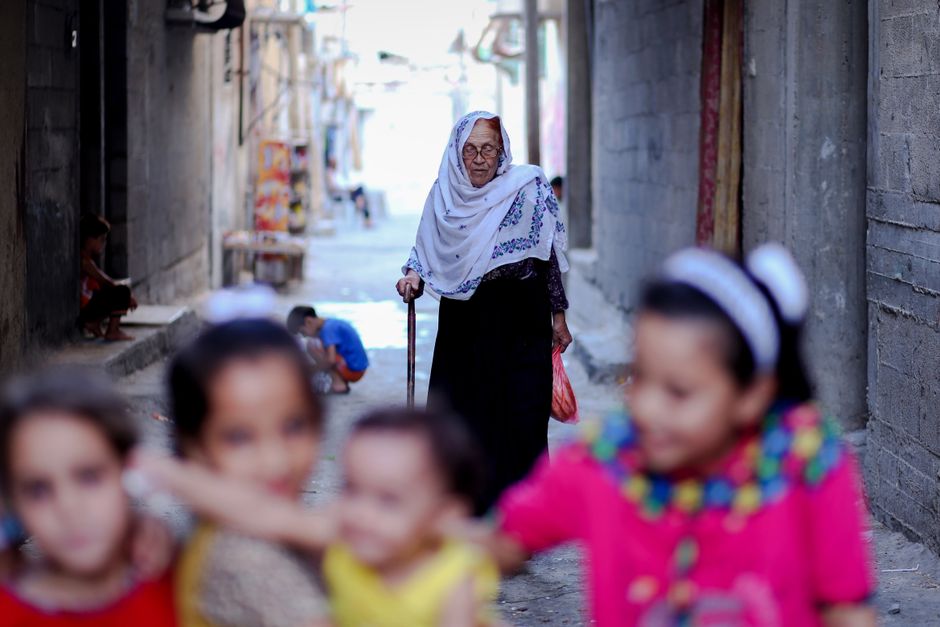
Moreover, the narrative that humanitarian aid is a “luxury” rather than a legal obligation is gaining traction among certain political circles. Critics argue that aid funds should be conditioned on political outcomes, effectively weaponizing food security. While this line of thinking is morally repugnant, it is gaining foothold in policy debates, especially in countries where public opinion is turning against endless overseas expenditures. The mainstream media, for its part, often glosses over these nuances, presenting the aid cuts as a simple budget shortfall rather than a deliberate shift in strategic priorities.
There are, of course, counterarguments. Some policymakers contend that without a clear path to a durable ceasefire, pouring money into a protracted conflict merely prolongs the status quo. They argue that diplomatic pressure, not endless food parcels, is the lever that will ultimately bring peace. While the desire for a political solution is undeniable, the reality is that civilians in Gaza cannot wait for a perfect diplomatic breakthrough; they need calories today, not promises for tomorrow.
The stakes are stark. If the WFP’s funding gap widens, we could see a humanitarian disaster that eclipses the immediate casualties of war. The loss of life from malnutrition, especially among children, would add a grim layer to the already staggering death toll. International law obliges parties to the conflict to ensure civilian survival; failing to meet that obligation will tarnish the reputations of donor nations and could trigger legal challenges in the future.
In the end, the Gaza aid cuts expose a deeper malaise: a global community that talks loudly about compassion but backs it with dwindling wallets when the optics become inconvenient. The WFP’s predicament is a mirror held up to the world’s conscience, reflecting how quickly empathy can evaporate under political pressure.
If the current trajectory continues, the next headline may not be about rockets or ceasefires, but about a famine that could have been averted with a fraction of the money already pledged. The question remains: will governments finally translate rhetoric into resources, or will Gaza become the tragic proof that the world’s “humanitarian” commitments are as fragile as the aid convoys that now struggle to reach them?
Source: Google — Middle East