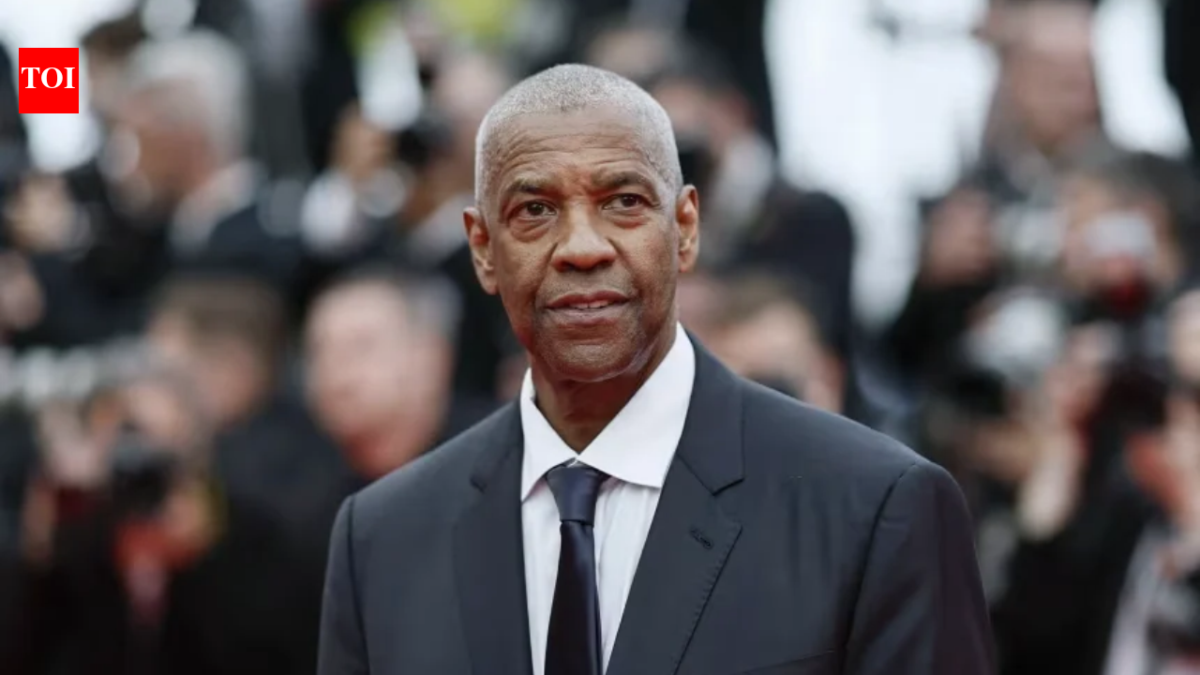
In 2007, Denzel Washington stepped onto the Texas education stage with a $1 million check that would revive a dormant debate programme. In the same breath, the actor‑philanthropist announced a personal commitment to keep the money flowing, a promise that still reverberates today. In the world of higher‑education funding, such a gesture reads like a headline‑grabbing stunt, yet the results tell a far more substantive story.
According to the Times of India, the $1 million donation was directed at Wiley College, a historically Black institution whose debate club had lain silent since 1947. The infusion of cash allowed the school to recruit coaches, purchase research materials, and travel to tournaments that had been out of reach for decades. By 2014, the newly reconstituted 23‑member team clinched the overall title at a national tournament that featured 80 competing schools.

In the Context of HBCU Debate Resurgence
The revival of Wiley’s debate team did not happen in a vacuum; it arrived amid a broader renaissance of historically Black colleges and universities (HBCUs) across the United States. In recent years, corporate sponsors and high‑profile alumni have begun to recognize the cultural and intellectual capital that these institutions harbour. The Wiley episode illustrates how a single, well‑targeted investment can catalyse an entire ecosystem, prompting other donors to look beyond football fields and into classrooms where rhetoric is honed.
In addition, the timing of Washington’s gift coincided with a surge of interest in debate as a tool for civic engagement. The United States has seen a rise in debate‑focused curricula, and South Asian nations such as India and Pakistan have similarly embraced competitive argumentation as a pathway to leadership. In this sense, Wiley’s triumph resonates far beyond Dallas, echoing the ambitions of students in Delhi’s university halls who also crave platforms to sharpen their voices.

The programme’s success also underscores the lingering impact of historical neglect. Wiley’s debate club had been shuttered for sixty‑plus years, a casualty of segregation‑era budget cuts and societal indifference. In reviving it, Washington not only restored a tradition but also challenged the narrative that HBCU extracurriculars are merely nostalgic relics. The 2014 victory served as a proof‑point that when resources meet talent, the results can upend entrenched hierarchies.
What This Means for Philanthropy and Education
The Wiley story forces a reevaluation of how philanthropy is measured. In the mainstream media, donors are often lauded for building new facilities or endowing chairs, but rarely for resurrecting a dormant program that later dominates a national arena. Washington’s approach demonstrates that strategic, modest‑scale funding can yield outsized returns when aligned with institutional history and student passion.
However, the model is not without pitfalls. Critics argue that reliance on celebrity donors can create dependency, leaving schools vulnerable if the spotlight shifts. In fact, the Times of India notes that Washington has pledged ongoing support, yet no guarantee exists that future benefactors will match his commitment. Moreover, the focus on competition may inadvertently prioritize winning over inclusive learning, a tension that educators in South Asia are already grappling with as they expand debate clubs in public universities.
Nevertheless, the upside is hard to ignore. In the wake of the 2014 win, Wiley College reported a surge in applications, higher alumni giving, and increased media attention that translated into additional grant opportunities. The ripple effect reached other HBCUs, inspiring them to revisit dormant clubs and seek private backing. For the broader education sector, the case study suggests that targeted, culturally resonant investments can rejuvenate programs that were once deemed obsolete.
In sum, Denzel Washington’s $1 million injection did more than fill a budget line; it rewrote a narrative of neglect into one of triumph. It shows that when a donor respects the legacy of an institution and invests with precision, the payoff can be both symbolic and measurable. The Wiley debate team’s national title is a testament to the power of focused philanthropy, and a reminder that even the most overlooked corners of academia can become stages for greatness.
As the next generation of South Asian scholars watches the Wiley victory, the question looms: will we see more high‑profile donors turning their lenses toward debate rooms, or will the enthusiasm fade once the trophies are polished? The answer will shape whether the momentum translates into lasting change or remains a fleeting footnote in the annals of celebrity charity.
Source: Times of India