
The digital world runs on a silent, voracious hunger: the insatiable demand for **data**. But who truly pays for this endless feast, and what happens when the bill finally comes due? This week, a stark reminder landed on the desks of the biggest tech players, signaling a seismic shift in how we finance our ever-expanding digital infrastructure.
According to BBC Technology, the UK regulator is proposing a hefty new requirement: data centres could soon be forced to pay deposits ranging from £237,500 to £712,500 per megawatt for upcoming projects. This isn’t just pocket change; it’s a direct charge on the very lifeblood of the modern economy.

The True Cost of Our Data Consumption
This proposed fee isn’t conjured from thin air; it’s a direct response to a looming crisis. For years, the rapid expansion of cloud computing, streaming services, and now, the explosive growth of artificial intelligence, has placed unprecedented strain on national power grids. Data centres, often tucked away in unassuming industrial parks, are energy hogs of epic proportions. They require colossal amounts of electricity, not just to power servers but also to cool them, generating a relentless demand that can destabilize existing infrastructure.
The UK, like many nations, is grappling with how to accommodate this relentless growth without sacrificing grid stability or green energy goals. The regulator’s move is a clear signal that the era of virtually free grid access for tech giants might be drawing to a close. This isn’t merely a UK problem; it’s a global one, and how this specific proposal plays out will set a precedent for other nations contemplating similar measures. Investors and market watchers will be scrutinizing reactions closely on Monday morning, wondering if this is the start of a trend that could reshape the economics of the tech industry.

Who Really Pays for the Cloud?
Let’s be blunt: this fee will fundamentally alter the landscape for data centre development. On the surface, it seems like a win for the grid and, theoretically, for the average consumer who benefits from a more stable power supply. However, the real impact is far more nuanced. Large hyperscalers like Amazon, Google, and Microsoft, already dominant, have deeper pockets and greater leverage. They might absorb these costs initially, but it’s naive to think these expenses won’t eventually be passed down the chain, either to smaller businesses relying on their cloud services or, ultimately, to the end consumer.
Meanwhile, smaller, independent data centre operators or newer entrants in the AI space could find themselves priced out. Innovation thrives on accessibility, and erecting such a significant financial barrier to entry risks stifling competition and concentrating even more power in the hands of a few tech titans. Is this a necessary evil for infrastructure stability, or an unintended accelerator of monopolistic control? Furthermore, while the fee addresses grid strain, it doesn’t directly tackle the broader environmental footprint of these facilities. It’s a financial mechanism, not a green mandate, leaving ample room for continued debate about sustainable growth.
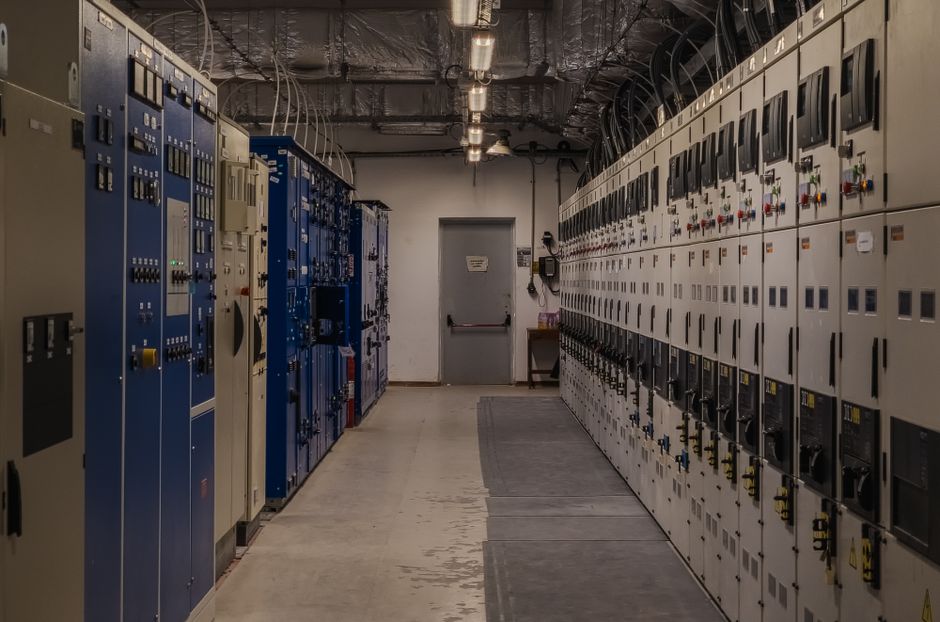
The mainstream narrative often celebrates the boundless potential of **data** and AI, but rarely confronts the tangible, physical infrastructure required to sustain it. This regulatory move forces that confrontation. Expect fierce lobbying from tech industry bodies as this proposal moves forward. We will likely see arguments about the UK’s competitiveness, the importance of fostering AI development, and the potential for these fees to drive investment elsewhere. The coming days and weeks will reveal the industry’s strategies, from quiet negotiations behind closed doors to public campaigns touting their economic contributions. The stakes are high, not just for power companies, but for the entire digital economy that runs on these colossal facilities.
This isn’t just about a deposit; it’s about the true cost of our digital future. Will this move ensure a robust power grid, or will it create an exclusive club where only the wealthiest tech giants can afford to play? The answer, as the market reacts on Monday and beyond, will define who controls the very infrastructure of tomorrow’s world.
Source: BBC Technology