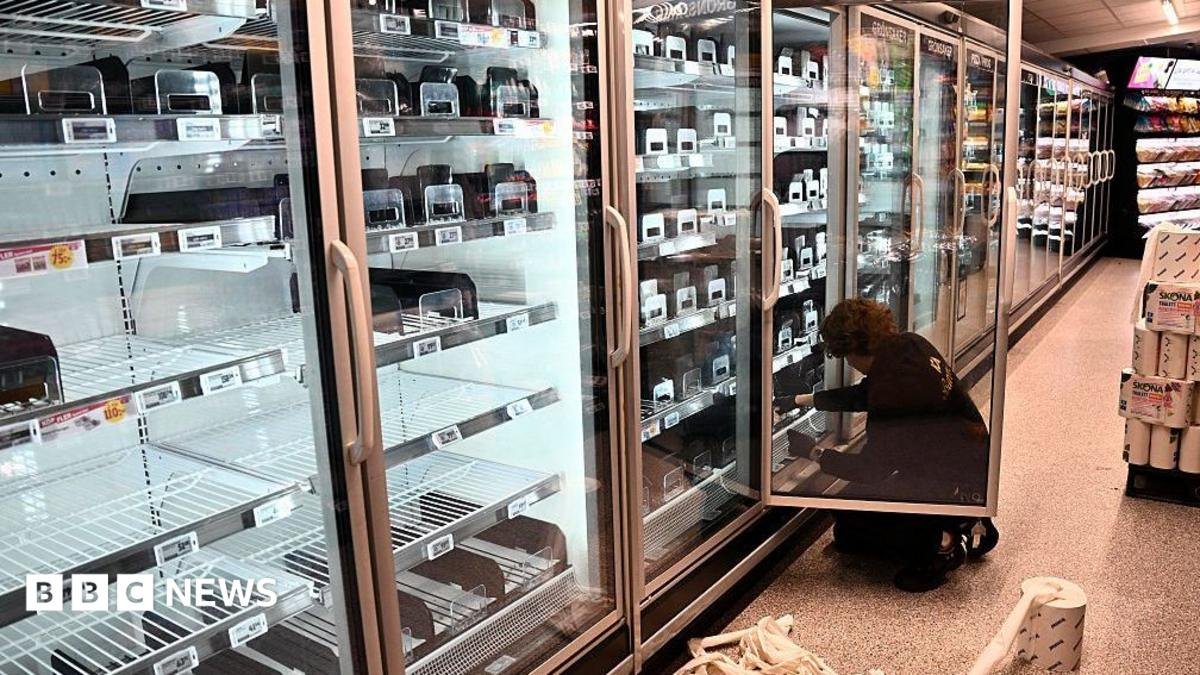
Tens of thousands of British fridges have just been wrestled away from cyber‑criminals in a covert, nation‑wide sweep, and the chill in the supply chain is only the beginning. The word “tens” now echoes through boardrooms, back‑of‑house kitchens and data centres alike, a reminder that even the most mundane appliances have become weapons in the digital war. If you thought your supermarket’s ice‑cream was safe, think again – the hidden battle for cold storage is far from over.
According to the BBC, a secret operation coordinated by the National Cyber Security Centre (NCSC) and industry partners succeeded in securing the firmware of tens of thousands of commercial refrigerators, freezers and chillers across the UK. The effort spanned supermarkets, warehouse distribution centres, restaurant chains and even stadiums, all of which had been scrambling to patch vulnerable devices after a wave of ransomware alerts.

Tens of thousands of fridges: why the scramble matters
The scale of the operation is staggering, but the significance runs deeper than a simple patch‑and‑pray exercise. Over the past year, security researchers have documented a surge in attacks targeting the Internet of Things (IoT) devices that keep food fresh and drinks cold. Hackers exploit weak authentication, outdated software and default passwords, turning a humble fridge into a foothold for lateral movement inside corporate networks. In fact, a recent report from the UK’s cyber‑crime unit warned that compromised refrigeration units could be used to launch ransomware against retailers, potentially freezing sales for days.
What makes this particular sweep noteworthy is its timing. The UK is on the cusp of a major legislative push to tighten IoT security standards, with the upcoming “Secure Devices Act” set to impose strict certification requirements by 2027. The current operation, therefore, is both a stop‑gap measure and a de‑facto test of the nation’s ability to mobilise quickly when critical infrastructure is at risk. Moreover, the involvement of the NCSC signals a shift from reactive incident response to proactive, industry‑wide coordination – a model that could reshape how we defend the supply chain against digital threats.

Meanwhile, the commercial fallout is already being felt. Supermarkets that rely on just‑in‑time inventory models reported brief disruptions as technicians isolated compromised units for forensic analysis. Restaurants, especially those operating in high‑traffic venues like stadiums, faced the prospect of having to discard perishable stock while engineers rewrote firmware. The financial hit may be modest in the grand scheme, but it underscores how intertwined the food industry and cyber‑security have become. As the NCSC’s spokesperson noted, “Every refrigerator is a potential entry point, and every breach can ripple through the entire supply chain.”
The hidden battle behind the kitchen doors
What the public rarely sees is the intricate choreography between hardware manufacturers, software vendors and security agencies that made this operation possible. In many cases, the fridge manufacturers had not issued patches for years, assuming that the devices would sit idle behind locked doors. The NCSC, however, leveraged emergency powers to compel vendors to provide firmware updates, a move that sparked a heated debate about regulatory overreach versus consumer protection.

Critics argue that this secretive approach skirts transparency, leaving businesses in the dark about the true extent of the vulnerabilities. They point out that the operation’s covert nature means that many companies only learned of the risk after the fact, potentially undermining trust in government‑led cyber initiatives. On the other hand, proponents contend that a public disclosure could have tipped off attackers, giving them a chance to weaponise the same flaws before defenses were in place. The balance between openness and security is a tightrope walk that will define future cyber‑policy.
The stakes extend beyond the grocery aisle. If a hacker were to gain control of a network of fridges in a major distribution hub, they could orchestrate a coordinated shutdown, causing spoilage on a massive scale and triggering a cascade of supply shortages. Such an event would not only dent the bottom line of retailers but could also spark political backlash, especially as the UK grapples with food‑security concerns post‑Brexit. Moreover, the same techniques used to compromise refrigeration units can be repurposed against medical coolers, data‑centre chillers, and even the climate‑control systems of critical infrastructure.
While the operation succeeded in neutralising the immediate threat, the underlying issue of legacy IoT devices remains unresolved. Tens of thousands of fridges have been patched, but countless more sit idle in smaller venues, out of the reach of national security teams. The industry must confront the reality that every connected appliance is a potential backdoor, and that patching alone will not suffice without a cultural shift toward “security by design.” In the meantime, businesses will need to invest in continuous monitoring, robust authentication and regular firmware audits – a costly but necessary evolution.
The broader lesson is clear: cyber‑security is no longer the domain of IT departments alone; it is now a kitchen‑floor concern, a warehouse imperative and a stadium‑wide priority. As the cold chain tightens its grip on the digital battlefield, the phrase “tens of thousands” will likely become a benchmark for future security sweeps, a reminder that even the most ordinary pieces of equipment can become flashpoints in a high‑stakes game of cat and mouse.
The next time you reach for a chilled beverage, remember that the chill you feel may be the product of a silent, high‑tech war fought behind the doors of your local supermarket. If the authorities can pull off this secret operation without a single public scandal, perhaps we’re witnessing the beginning of a new era where the unseen guardians of our food supply are as vigilant as the police on the streets. The question now is not whether the next attack will happen, but whether the industry will be ready when it does.
Source: BBC Technology