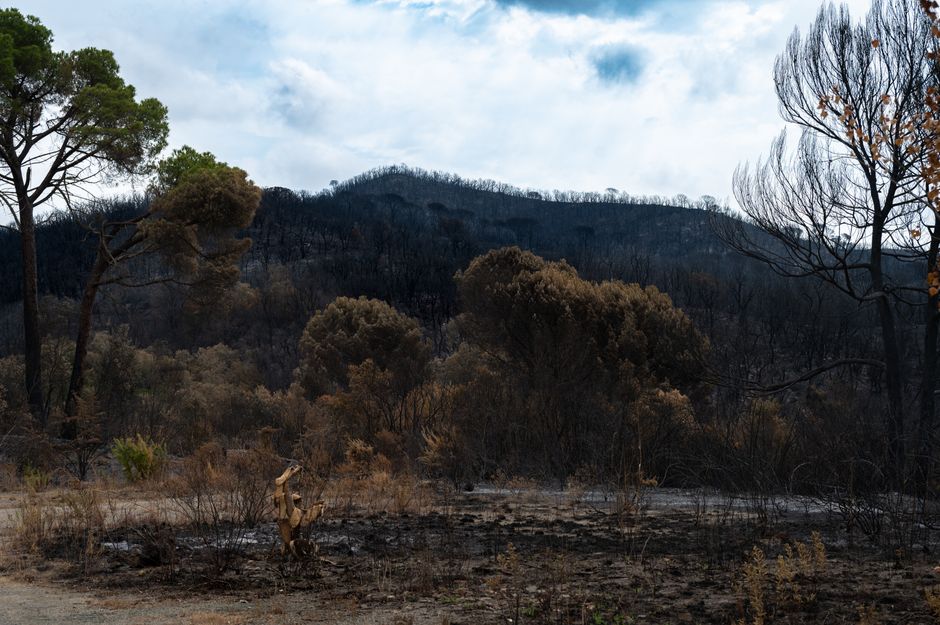
The smoke from Croatia’s wildfires isn’t just obscuring the sun; it’s clouding the official narrative, as we scrutinize the response to an unfolding disaster that has injured **dozens**. When the inferno rages, the public expects not just updates, but a clear, accountable voice of leadership. What we received instead was a statement heavy on gravity, light on specifics.
The immediate backdrop is grim: a catastrophic wildfire near the picturesque port town of Omis, threatening homes, livelihoods, and the very fabric of local life. The BBC reports thousands evacuated, and the human toll already registering with injuries to dozens. In this crucible of crisis, the world watches, and the affected population desperately seeks reassurance and a coherent plan. The official communication, relayed through news outlets, becomes the primary lens through which the government’s competence – or lack thereof – is viewed.
What landed
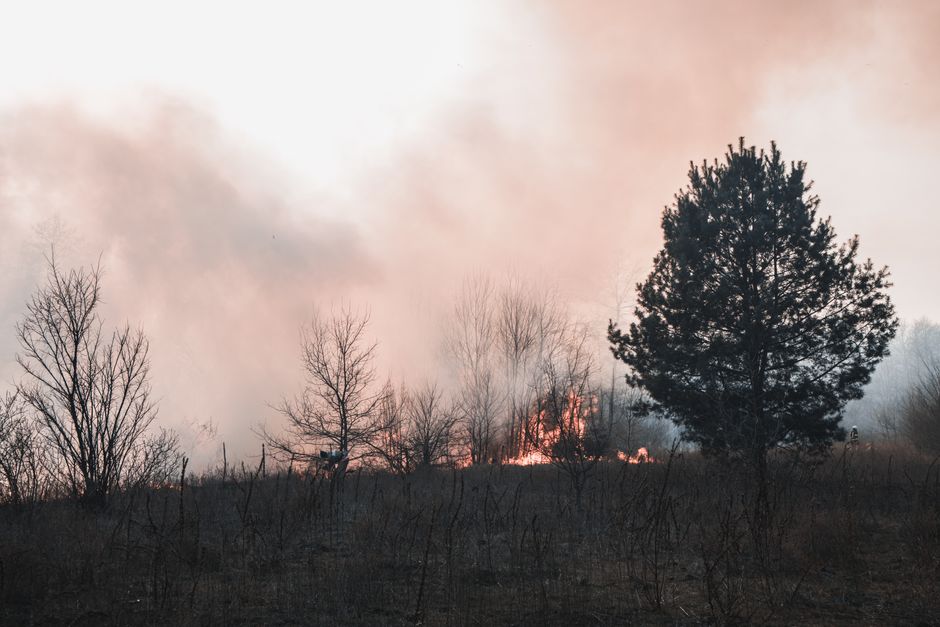
What landed, unequivocally, was the sheer scale of the disaster, albeit through the collective voice of “officials.” The statement, as reported, was stark: “Officials say the blaze, near the port town of Omis, is one of the worst in Croatia’s history.” There’s a certain grim utility in this admission. It leaves little room for downplaying the severity, signaling to both domestic and international audiences that this is no ordinary brushfire. It sets the stage for potential appeals for aid and acknowledges the immense challenge facing emergency services.
On one level, it’s a factual declaration, devoid of the usual political bluster, and for that, one might almost be grateful. In a crisis, an unvarnished assessment of the situation’s gravity can be a prerequisite for effective action. The choice of words, “one of the worst in Croatia’s history,” implies a recognition that the nation is facing an unprecedented challenge, one that tests its resilience and its emergency response capabilities to their limits. It might even be interpreted as an oblique signal that the usual protocols might not suffice, perhaps subtly preparing the ground for more dramatic interventions or assistance. But a simple statement of fact, however dire, is not leadership. It’s a weather report delivered with a sigh.
What doesn’t add up
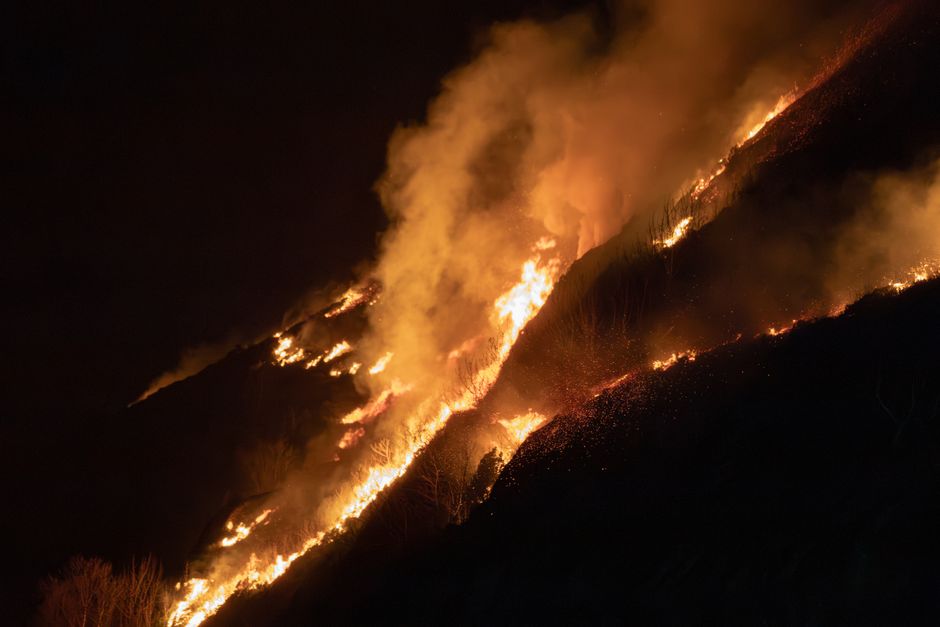
While acknowledging the scale of the disaster is a baseline expectation, the official communication—or lack thereof, beyond this single, generalized statement—leaves an uncomfortable void. “Officials say” is a political shield, a collective noun that diffuses accountability. Which officials? The Prime Minister? The head of emergency services? The Minister for the Environment? The deliberate ambiguity is telling. In a crisis of this magnitude, the public deserves to hear from an identifiable leader, outlining not just the problem, but the strategy. This isn’t just semantics; it’s about trust and transparency.
What doesn’t add up is the absence of any discernible forward-looking strategy or even a hint of what lessons have been learned from *previous* “worst” fires. If this is “one of the worst,” what were the others? And what measures were implemented then to prevent a recurrence, or to enhance the response? The statement hangs in the air, a declaration of magnitude without the context of prior experience or the promise of future improvement. It feels less like a proactive update and more like a reactive acknowledgment, a concession to the undeniable visual evidence of the inferno.
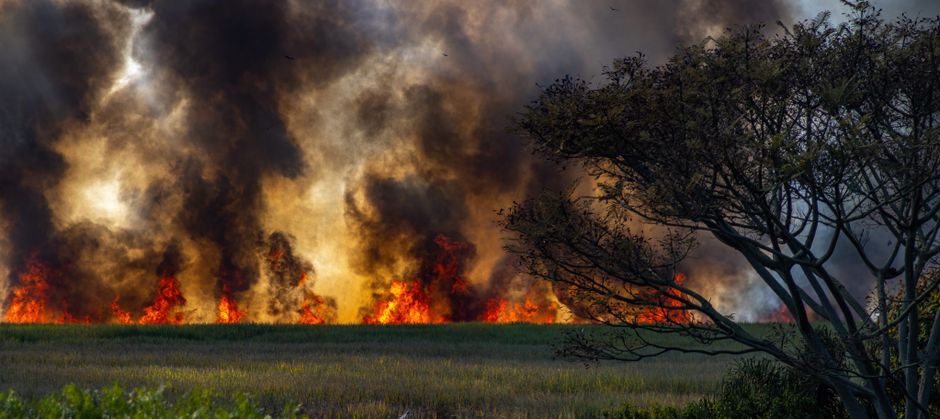
Furthermore, the focus solely on the blaze’s historical severity, while crucial, distracts from the immediate questions that plague those affected and those watching from afar. What is the status of the injured dozens? What resources are being deployed *now*? What is the official assessment of the cause? And, crucially, what is being done to ensure that these “worst in history” events don’t become an annual, predictable tragedy in a climate-changed world? The statement, for all its gravitas, offers no answers, no assurances, and no indication of an actionable plan. It’s a politically safe observation, designed perhaps to manage expectations rather than to inspire confidence or demonstrate decisive leadership.
Monday morning will dawn on a landscape scarred by fire, and a populace grappling with uncertainty. The official statement, while accurately portraying the scale of the tragedy, does little to assuage the growing demand for accountability and a robust, visible response. Without a clear voice of leadership, a detailed action plan, and a transparent assessment of both immediate and long-term strategies, the smoke from Omis will continue to carry not just ash, but the acrid smell of political evasion. The question isn’t just whether Croatia can fight this fire, but whether its leadership can rise above generalized statements to offer genuine direction.
Source: OnTheRecord