
Coca’s decision to dust off Gold Spot after a 26‑year hiatus feels less like nostalgia and more like a desperate gamble in a market that has already moved on. The old “zing thing” is being resurrected with a low‑ or no‑sugar twist, and the move says as much about the brand’s anxiety as it does about consumer cravings.
According to the Times of India, Coca‑Cola acquired the orange‑flavoured Gold Spot from Parle‑Bisleri in 1993, only to pull the plug in 2000 to clear shelf space for Fanta. The brand’s disappearance coincided with a period when colas dominated the Rs 60,000‑crore aerated drinks market, while orange drinks lingered on the periphery.
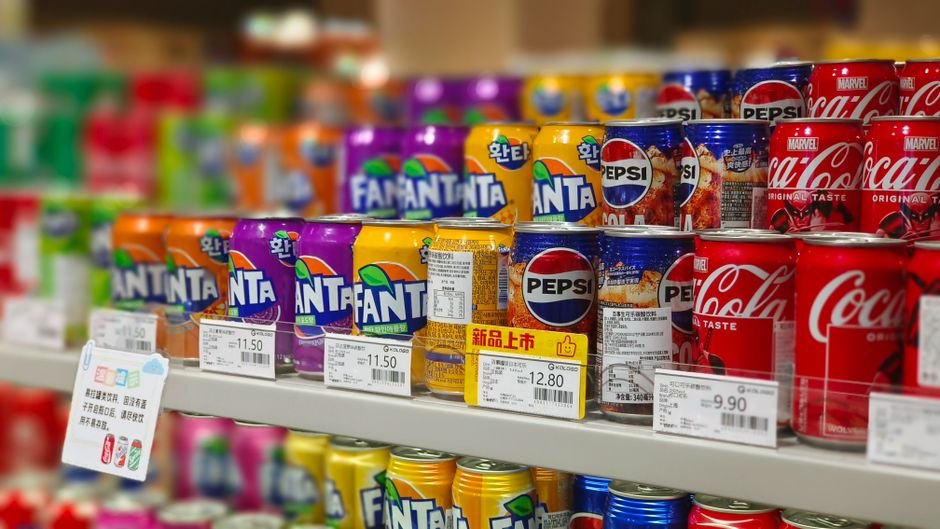
Coca’s orange comeback in a sugar‑squeezed market
The timing of Gold Spot’s return could not be more calculated. India’s soft‑drink landscape has been shaken by the rise of home‑grown challengers such as Campa and Lahori Zeera, both of which have captured the imagination of millennials seeking bold, locally‑flavoured alternatives. Meanwhile, health‑conscious shoppers are demanding lower sugar content, a trend amplified by recent government guidelines and a wave of “no‑sugar‑added” campaigns. As a result, Coca‑Cola’s traditional reliance on sugary colas is being tested, and the company is scrambling to diversify its portfolio without cannibalising its flagship products.
In fact, orange‑flavoured beverages have always been a niche slice of the overall market, but they have enjoyed a cult following that can be reignited with the right narrative. By positioning Gold Spot as a retro icon with a modern, low‑sugar formulation, Coca hopes to tap into both nostalgia and the current health wave. The brand’s original tagline, “zing thing,” will likely be refreshed to emphasize “zest without the crash,” a message that could resonate with young consumers who grew up with the drink and now demand better nutrition.
Hot take: a risky revival that could backfire
The revival is a double‑edged sword. On one hand, Coca stands to win back shelf space and win over a segment that has drifted toward indie brands. If Gold Spot can leverage its heritage while delivering a genuinely low‑sugar experience, it could carve out a profitable niche and force competitors to up their game. On the other hand, the brand’s absence for over two decades means a whole generation has never tasted it, and the nostalgia factor may be too faint to drive mass adoption.
Furthermore, the decision to resurrect Gold Spot might signal a deeper strategic misstep. Rather than investing in genuinely new flavours or innovative packaging, Coca appears to be digging up a relic, hoping the “retro” label will be enough to offset the fierce competition from Campa’s spicier profiles and Lahori Zeera’s bold, regional twists. If consumers perceive the move as a cynical cash‑grab, the backlash could damage Coca’s reputation for being attuned to local tastes. Moreover, the low‑ or no‑sugar claim will be scrutinised heavily; any misstep in sweetener choice could trigger a health‑concern controversy that rivals the sugar‑tax debates of recent years.
Critics may argue that Coca should simply double down on Fanta, which already commands a strong orange presence and enjoys a modern, vibrant branding campaign. Yet the company’s executives seem convinced that a differentiated product line will protect them from the “one‑size‑fits‑all” risk of a single orange offering. In reality, the market may not have enough room for both, and the inevitable internal competition could dilute the brand equity of each.
Nevertheless, the timing aligns with Coca’s broader push to reduce sugar across its portfolio, a strategy mandated by both consumer pressure and regulatory trends. If Gold Spot can successfully launch as a low‑sugar champion, it may serve as a template for other legacy brands in Coca’s arsenal, from Sprite to Thums Up, to undergo similar transformations. In that scenario, the move could be hailed as a visionary pivot rather than a nostalgic stunt.
In the end, the success of Gold Spot’s comeback will hinge on more than just a retro label. It will depend on authentic taste, transparent nutrition, and a marketing narrative that respects both the drink’s history and today’s health‑savvy consumer. Coca must deliver a product that feels genuinely fresh, not merely a repackaged memory.
If Gold Spot manages to capture the imagination of a new generation while satisfying the cravings of the old, we may see a revival of other forgotten Indian sodas. If not, the brand will join the long list of discontinued drinks that serve as cautionary tales for multinationals who underestimate the power of authentic, locally‑rooted innovation. Either way, Coca’s gamble will be watched closely—because in a market that now rewards bold, low‑sugar choices, nostalgia alone is no longer enough.
Source: Times of India