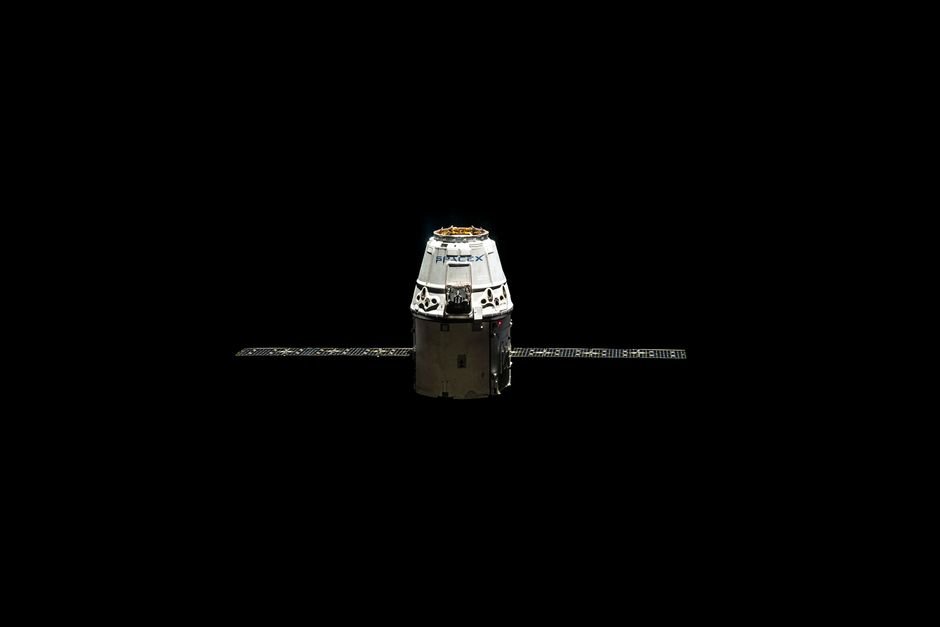
From the dusty rooftops of Karachi to the vacuum of low‑Earth orbit, Pakistan’s first astronaut has finally taken flight, and the nation is watching with a mixture of pride and nervous anticipation. The word “From” has never felt more literal for a country that has long looked skyward yet remained earthbound. Al Jazeera reports that the SpaceX‑launched mission carried Pakistani national Sami Khan, a former fighter pilot turned scientist, marking a historic milestone for a state that has traditionally channeled its ambitions into ground‑based defence rather than space.
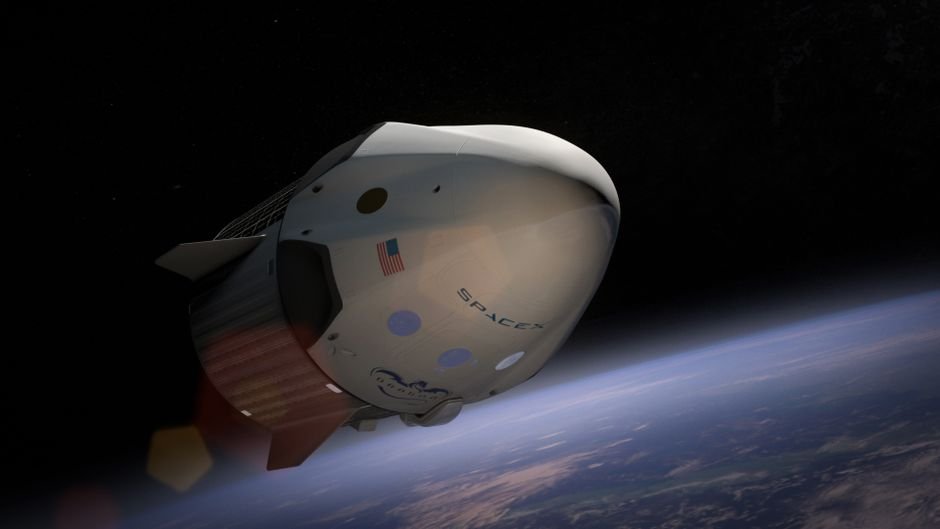
The launch took place on Tuesday from the Kennedy Space Center, where Khan boarded a Crew Dragon capsule bound for the International Space Station. According to the mission brief, he will spend ten days conducting micro‑gravity experiments on materials science and satellite communications, tasks that could have direct civilian applications back home. The flight was funded through a public‑private partnership between the Pakistani Space Agency and a consortium of local tech firms, a model that mirrors the collaborative approach taken by emerging space nations.
From stargazing to space: Pakistan’s leap
Pakistan’s venture into crewed spaceflight did not happen in a vacuum. Over the past decade the country has quietly built a modest satellite programme, launching its first communications satellite in 2022 and establishing a ground station in Islamabad. The move came as the nation grappled with a stagnant economy and an escalating rivalry with India, which has long used its own space capabilities as a diplomatic lever. In fact, India’s recent lunar probe and its ambitious Gaganyaan crewed mission have intensified regional competition, prompting Pakistani officials to argue that “space is the new frontier of national security.”
The decision to send an astronaut abroad rather than develop an indigenous launch vehicle reflects both pragmatism and a desire for rapid prestige. While critics point out that the cost—estimated at $150 million—could have funded renewable‑energy projects, supporters argue that the knowledge transfer and international visibility are priceless. Moreover, the mission aligns with Pakistan’s broader “Vision 2030” plan, which envisions a high‑tech economy powered by aerospace research, artificial‑intelligence startups, and a skilled STEM workforce.

Why this launch matters beyond the headlines
The immediate impact is obvious: a surge of national pride and a boost to the fledgling space sector. Yet the deeper implications ripple through diplomacy, security, and domestic politics. First, the flight positions Pakistan as a player in the global space community, granting it a seat at the table of the International Space Station partnership and potentially opening doors for future joint missions with the United States, Europe, or even China. That diplomatic capital could translate into technology transfers that are otherwise out of reach for a country with limited R&D budgets.
Second, the mission serves as a soft‑power tool in the ongoing geopolitical chessboard of South Asia. By showcasing a successful human spaceflight, Pakistan can counter India’s narrative of technological superiority, a narrative that has been used to justify its own defence spending. This subtle one‑upmanship may embolden Pakistan’s leadership to pursue further aerospace projects, from satellite constellations to lunar probes, thereby reshaping the regional balance of capabilities.

Third, the venture raises questions about resource allocation in a nation still wrestling with poverty, education gaps, and health crises. Opponents argue that the funds earmarked for the astronaut program could have been redirected to improve rural electrification or to bolster public‑health infrastructure. Nevertheless, the government counters that the long‑term economic returns of a vibrant space industry—high‑paying jobs, spin‑off technologies, and international contracts—justify the upfront expense. In fact, many emerging economies have followed a similar path, using high‑profile space missions to catalyse broader industrial growth.
Finally, the mission could ignite a cultural shift. Young Pakistanis, who previously saw space as a distant fantasy, now have a homegrown role model to emulate. Schools are already reporting increased enrollment in physics and engineering courses, and a wave of “space clubs” is sprouting across university campuses. If this enthusiasm translates into a skilled talent pool, the country may soon be capable of designing its own satellites, perhaps even a small launch vehicle, without relying on foreign partners.
The launch, however, is not without risk. Technical setbacks, geopolitical tensions, or a failed mission could tarnish the nascent program and give critics ammunition to demand cuts. Moreover, the reliance on foreign launch services exposes Pakistan to external pressures; any diplomatic rift with the United States could jeopardize future crewed flights. Therefore, the government must balance ambition with prudence, investing in domestic capabilities while maintaining strategic alliances.
As Sami Khan floats above the Earth, the world watches a nation that has long been defined by its terrestrial conflicts now reaching for the stars. From this moment forward, Pakistan’s space narrative will be written not only in scientific data but also in the political calculus of a region where every technological stride is measured against a rival’s shadow. Whether the mission becomes a catalyst for genuine progress or a glittering distraction will depend on how wisely policymakers translate the hype into sustainable infrastructure.
Only time will tell if the astronaut’s return will inspire a generation of engineers or simply become a fleeting footnote in South Asia’s ever‑shifting power play. One thing is certain: From now on, Pakistan can no longer claim to be merely a spectator in the cosmic arena.
Source: Google — South Asia