
The markets speak, even when leaders remain coy. The latest, fragile US-Iran truce has done more than just halt immediate hostilities; it’s sent Wall Street soaring, leaving us to wonder what unspoken terms underpin this sudden, profitable peace with **Iran**.
This week saw a remarkable turnaround on the trading floors, a direct consequence of reports that the U.S. and Iran had “halted attacks and took steps” toward de-escalation. After a five-day losing streak, both the S&P 500 and the Nasdaq rallied, while the blue-chip Dow Jones Industrial Average notched an all-time closing high. It’s a textbook demonstration of how swiftly geopolitical tension, or its perceived absence, translates into tangible market optimism.
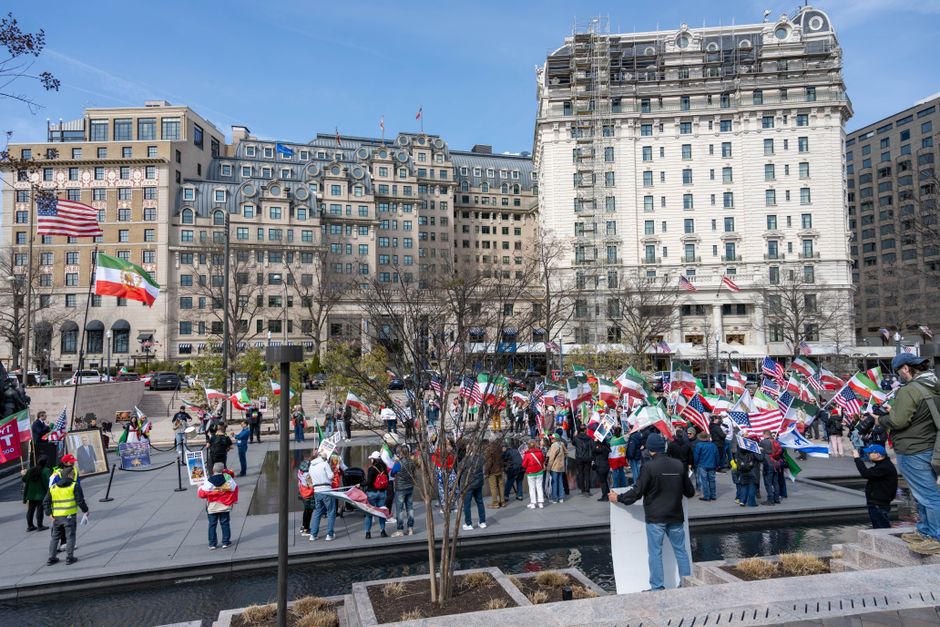
The immediate reaction is palpable relief. Investors, it seems, were more than ready to believe that the worst was over, at least for now. The prospect of an easing of tensions in a strategically vital region, even a temporary one, injected a much-needed shot of confidence into global equities. But what does this sudden calm truly signify beyond the bullish sentiment?
What landed
The most immediate “statement” from the leadership of both the U.S. and Iran, however implicit, is the decision to step back from the brink. The cessation of attacks, as reported by ChannelNewsAsia, is a welcome development that has undoubtedly spared further bloodshed and economic disruption. It’s a moment that, for all its opaqueness, demonstrates a capacity for de-escalation that many had begun to doubt. The market’s enthusiastic response, culminating in the Dow’s record close, serves as a powerful endorsement of this pivot away from confrontation.
For a moment, the world exhaled. The mere act of “halting attacks” suggests a willingness, however begrudging, to seek common ground or at least a temporary ceasefire. This pragmatic turn, even if driven by internal pressures or a calculation of diminishing returns, offers a glimmer of hope that diplomacy, in some form, remains on the table. It demonstrates a shared understanding, however fleeting, that unrestrained conflict serves no one’s long-term interests. In a landscape often dominated by grandstanding and maximalist demands, this quiet retreat from escalation is, paradoxically, a powerful and positive signal.
What doesn’t add up
Yet, the collective sigh of relief from the markets masks a profound lack of clarity from the very leaders whose actions underpin this fragile calm. We are left to parse stock market movements for clues about high-stakes international relations, rather than receiving direct, accountable statements from Washington or Tehran. The “fragile” nature of this truce, as described by ChannelNewsAsia, is the defining word here, hinting at an underlying instability that remains unaddressed. This sudden pivot stands in stark contrast to months, if not years, of bellicose rhetoric and escalating provocations. Where is the explanation for this dramatic shift?

The silence from both capitals is deafening, leaving the public and, indeed, the markets to speculate on the terms and longevity of this supposed de-escalation. It’s a contradiction of the highest order: a significant geopolitical development driving immense financial activity, yet devoid of explicit, on-record statements from the principals. One can’t help but recall previous cycles of heightened tension followed by brief respites, only for the underlying grievances to re-emerge with renewed force. The abruptness of this truce, following what many perceived as an inexorable march toward greater confrontation, raises more questions than it answers. What concessions, if any, were made? What guarantees were exchanged? And why now, after so much brinkmanship? The absence of such details makes it difficult to ascertain whether this is a genuine policy recalibration or merely a tactical pause. The market’s enthusiasm, while understandable, feels like a bet placed on an unseen hand, a trust exercised in the face of an information vacuum. It’s a skepticism born not of cynicism, but of the repeated pattern of opacity in international diplomacy, especially when it concerns powers historically at odds.
Monday morning, the Dow’s record close will be celebrated, a testament to the market’s innate desire for stability. But beneath the headlines of surging stocks, the fundamental questions about the US-Iran relationship remain unanswered. The truce, for all its immediate benefits, is a testament to what happens in the absence of transparent communication: markets react to whispers and hopes, while the hard realities of geopolitical strategy are left to the imagination. What truly changes come Monday is the precariousness of this peace, bought with market optimism rather than explicit, verifiable diplomatic progress. Investors may be back in the black, but the true architects of this fragile truce still owe the world a coherent explanation.
Source: OnTheRecord