In a global aerospace landscape increasingly defined by shifting supply chains and the relentless pursuit of efficiency, Firan Technology Group’s latest announcement arrives with a predictable fanfare, signaling a strategic pivot that warrants closer scrutiny.
The subject of our review today isn’t a head of state but a corporate statement from Firan Technology Group Corporation (FTG), a Canadian entity known for its specialized circuit boards and aerospace sub-assemblies. The company’s communiqué, distributed via Globe Newswire and picked up by the Financial Post, trumpets the grand opening of its new FTG Aerospace Hyderabad facility in India. This isn’t an interview in the traditional sense, but a carefully curated public declaration, effectively presenting FTG’s narrative on its expansion, ripe for the kind of critical unpacking usually reserved for political pronouncements.

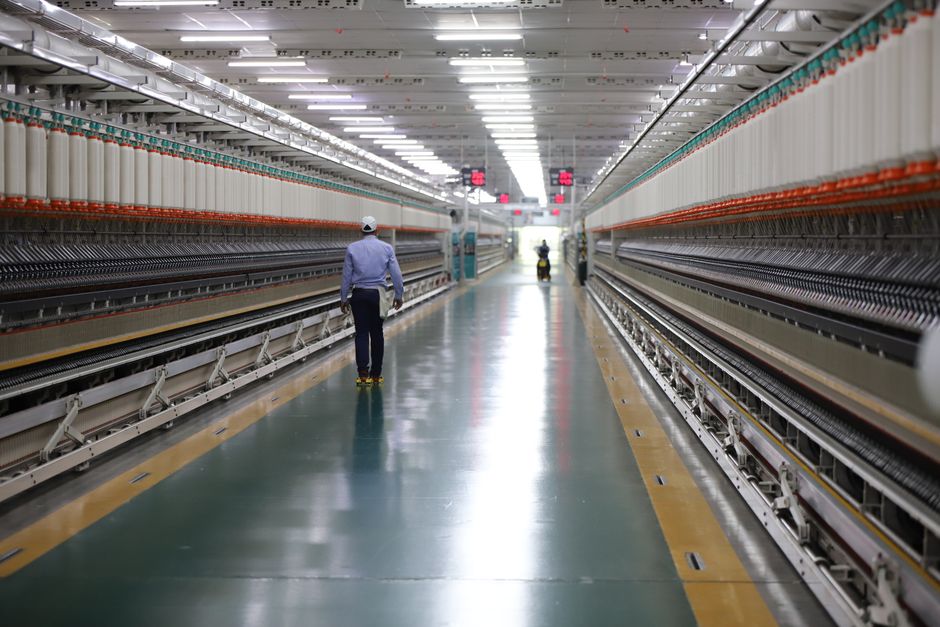
The context is clear: global aerospace manufacturing is fiercely competitive, constantly seeking optimal cost structures and access to skilled labor. For three years, FTG has been working on this project, culminating in a ribbon-cutting ceremony in late June 2026. This expansion into India, a burgeoning hub for aerospace, is undoubtedly a significant move for the company, promising to enhance its “global production capability.” The announcement positions Hyderabad as a strategic cornerstone, boasting a “state-of-the-art facility” and an “extremely motivated and highly skilled workforce.”
What landed
FTG’s CEO, Brad Bourne, is quoted expressing a rather buoyant outlook, stating, “We are extremely pleased to celebrate the grand opening of our FTG Aerospace Hyderabad facility and culminate three years of hard work.” The message here is one of successful execution and strategic foresight. It’s a classic corporate victory lap, designed to reassure shareholders and signal robust growth. The emphasis on “three years of hard work” isn’t merely a factual statement; it’s a rhetorical device to underscore the strategic depth and commitment behind the venture, suggesting a meticulous, long-term vision rather than a hasty decision.
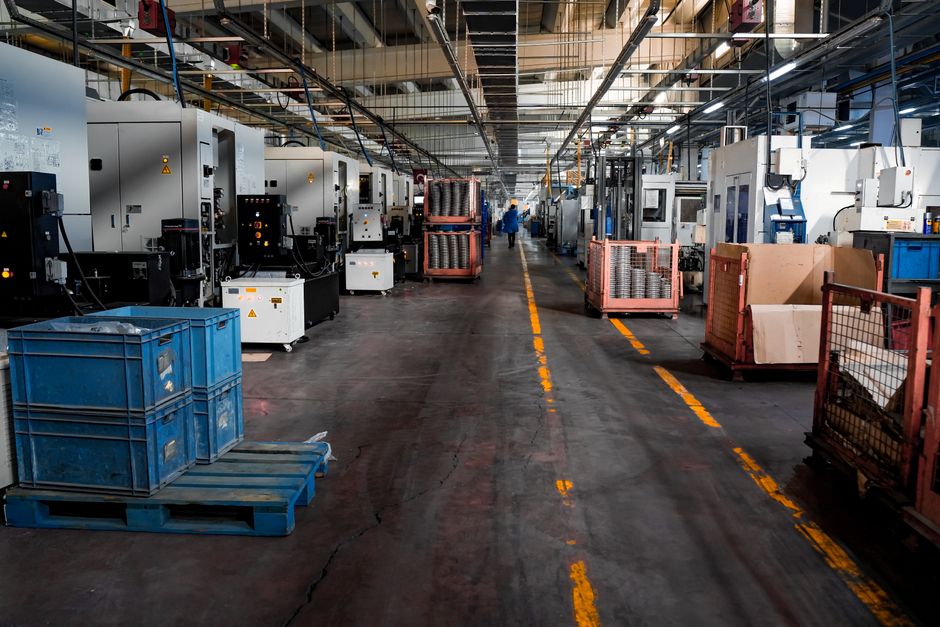
The press release also highlights the facility’s role in expanding FTG’s “global production capability,” a phrase that sounds suitably impressive but offers little in the way of granular detail. It’s an assertion of enhanced capacity without specifying *which* capacities, or *how much* of an enhancement. This kind of broad, aspirational language is typical of corporate communications, designed to paint a picture of progress without being bogged down by specifics that might invite too many questions. We are meant to infer that ‘more capability’ unequivocally means ‘better capability,’ a leap of faith for the discerning observer. The mention of Hyderabad’s “highly skilled workforce” also lands as a positive, tapping into the well-established narrative of India as a hub for talent, particularly in engineering and technology. It’s an efficient way to signal quality labor without having to delve into the specifics of recruitment, training, or retention strategies.
What doesn’t add up
While the press release is undoubtedly a triumph for FTG, it functions more as a carefully constructed narrative than a transparent account. The “three years of hard work” is certainly admirable, but the announcement offers no reflection on the challenges encountered during that period. Was it smooth sailing, or were there unexpected hurdles that necessitated shifts in strategy or budget? A truly comprehensive picture would acknowledge the bumps along the way, rather than presenting a perfectly linear progression to success. The complete absence of any discussion regarding the *cost* of this “state-of-the-art facility” or the projected *return on investment* feels like a deliberate omission. We are left to assume that the investment is sound, simply because the opening is “grand.”
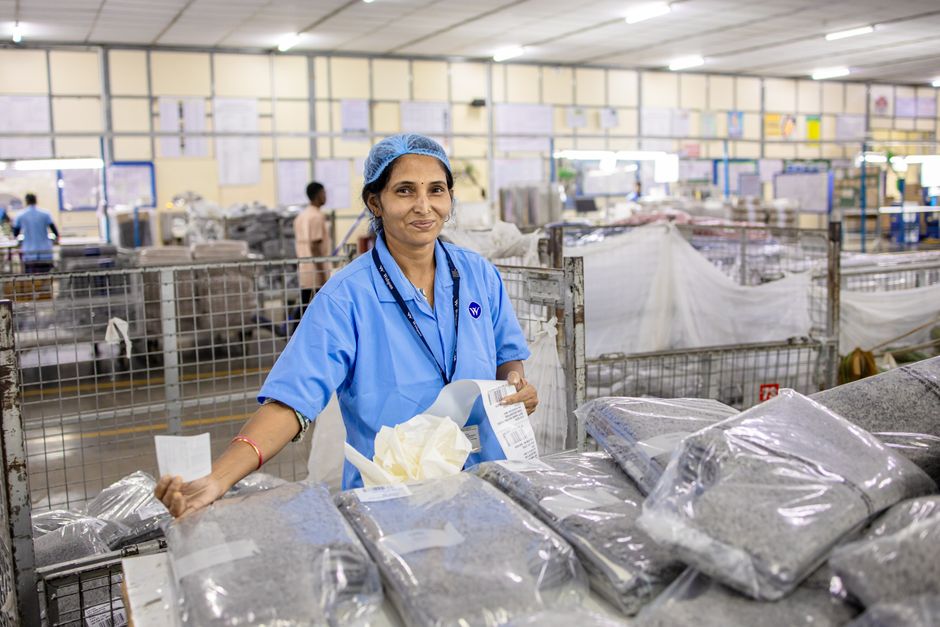
Furthermore, the declaration of an “extremely motivated and highly skilled workforce” in Hyderabad, while likely true, is presented without any accompanying metrics or contextual information. What specific skill sets are these workers bringing to the table? How does their productivity or expertise compare to FTG’s other global operations? Without such details, the statement, while positive, risks feeling like a boilerplate compliment rather than a substantive assessment of operational advantage. It’s the kind of broad stroke that encourages enthusiasm without inviting deeper inquiry, serving primarily to burnish the company’s image as a global player.
The announcement, in its celebratory tone, also glosses over the broader geopolitical and economic risks inherent in expanding global supply chains. While India offers undeniable advantages, the very act of diversifying production across continents introduces its own set of complexities, from logistics and regulatory compliance to potential geopolitical instabilities. The press release paints a picture of unalloyed opportunity, sidestepping the nuanced reality of international business. It’s a strategic omission, certainly, but one that leaves a critical observer wondering about the unstated vulnerabilities.
Monday morning, the headlines will laud FTG’s expansion, and shareholders will likely nod approvingly. The aerospace sector will note another player deepening its footprint in a key growth market. But beneath the celebratory prose, the real stakes involve the execution of this strategic gamble. Will the “highly skilled workforce” translate into sustained competitive advantage? Will the “global production capability” truly optimize costs and delivery? The press release provides the optimistic blueprint; the coming years will reveal the actual structural integrity of this new foundation.
Source: OnTheRecord