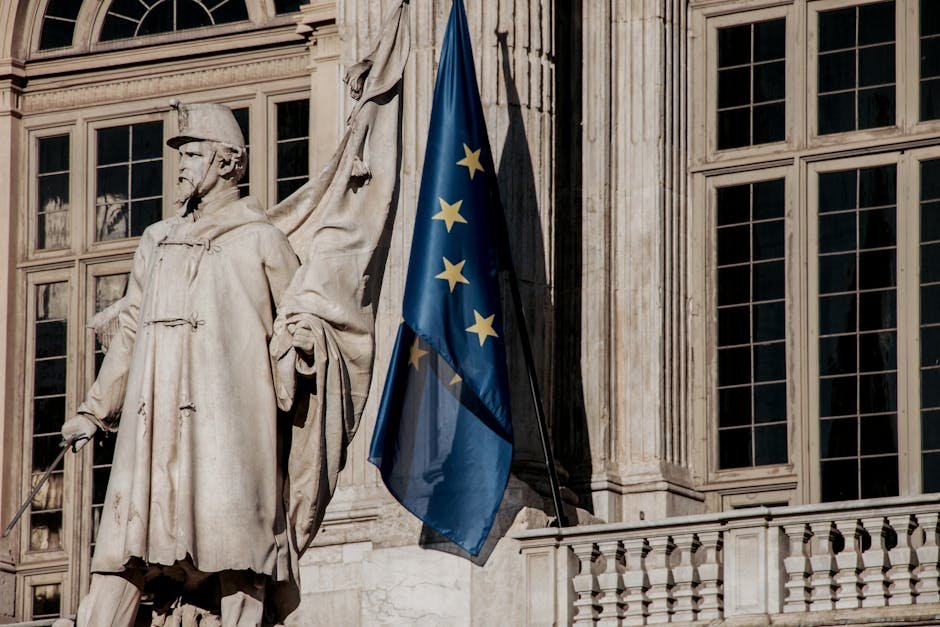
Brexit is not just a political event; it’s a seismic shift that reverberates across Europe. As the dust settles from the referendum that divided a nation, we must ask: What does this truly mean for the future of Europe? According to Britannica, the consequences of Brexit are profound and far-reaching, affecting everything from trade to immigration policies across the continent.
The Stakes of Brexit for Europe
Since the referendum in 2016, Brexit has sparked fierce debates about sovereignty, identity, and economic viability. As Britain disentangles itself from European Union regulations, the question of what it means to be part of Europe hangs in the air. The fallout from this decision threatens not just the UK’s status, but also the unity of Europe. With nations like France and Italy watching closely, the ramifications of a splintered Europe could fuel nationalist sentiments in other member states, further complicating an already delicate geopolitical landscape.
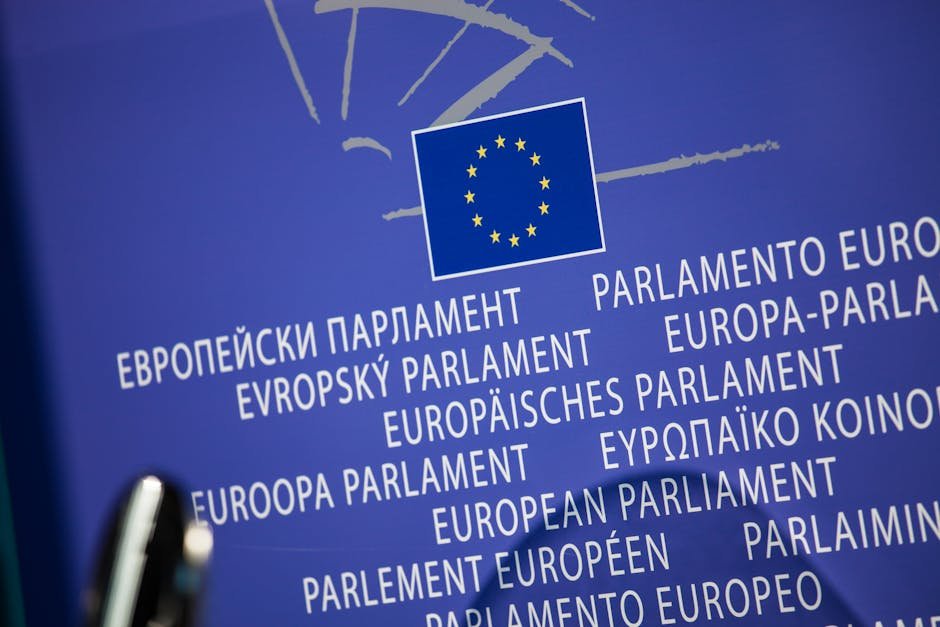
The timing of this discussion couldn’t be more critical. With the EU facing multiple challenges—from economic instability to the ongoing effects of climate change—Brexit serves as a major stress test. How will Europe respond to Britain’s withdrawal? This isn’t merely about trade agreements; it’s about the core values that bind European nations together. As Britain forges its own path, remaining European countries must grapple with their own identities and alliances.
The Winners and Losers of a Fragmented Europe
As we dissect the implications of Brexit, it is clear that the fallout will create distinct winners and losers. The UK, in its quest for independence, might secure some advantages in negotiations with non-EU countries. However, this could be a hollow victory if it results in economic isolation. On the flip side, the EU may strengthen its resolve, using Brexit as a catalyst to solidify its internal cohesion. The potential for a more united Europe could emerge from the chaos, but only if member states learn from the UK’s missteps.
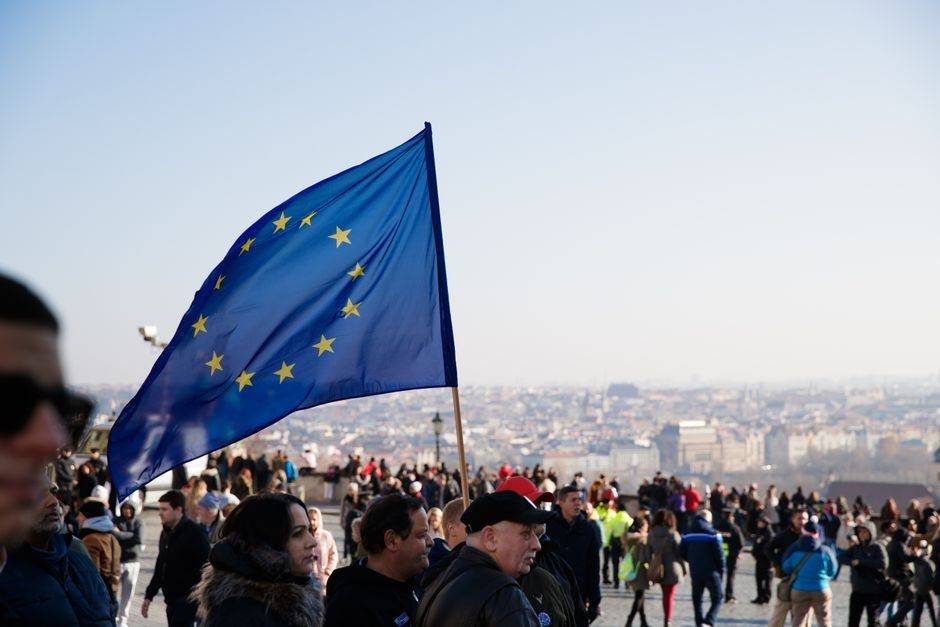
However, the mainstream narrative often overlooks what could go wrong. If the EU fails to adapt and evolve in the wake of Brexit, it risks becoming an obsolete institution, facing an identity crisis of its own. The rise of populism, nationalism, and anti-EU sentiment is no longer confined to Britain; it threatens to spread like wildfire throughout Europe. The core question remains: How will Europe redefine itself in a post-Brexit world?
The ongoing evolution of this situation also means that technology, science, and business sectors must prepare for the changing tides. As collaborations and partnerships shift, industries across Europe will have to innovate and adapt to a new reality. The tech landscape, for example, could see a talent drain as professionals weigh their options in a fragmented Europe. The ripple effects of Brexit extend into every corner of the economy, reshaping how businesses operate and compete.
Yet, it’s essential to acknowledge the counterarguments that claim Brexit will lead to more liberated economic policies in the UK. Some proponents see the potential for a more agile regulatory environment, unshackling the UK from what they perceive as the bureaucratic labyrinth of the EU. However, this optimism often glosses over the potential downsides, such as decreased bargaining power and economic vulnerability in a globalized market.
As the world watches, the future of Europe hangs in the balance. Will it emerge from the shadows of Brexit as a stronger, more united entity, or will it fracture further under the weight of its internal divisions? The answers are yet to come, but one thing is certain: Europe will never be the same. In the end, Brexit may not just be a British endeavor; it could redefine what it means to be part of Europe altogether. What will the legacy of Brexit be for the children of Europe, and how will history judge this pivotal moment?
Source: Google — UK & Europe