South Korea fan culture safety frames the debate here: The latest incident of a Brazilian woman stalking BTS star Jungkook in South Korea has raised serious concerns about the country’s approach to fan culture and personal security. Can South Korea effectively protect its citizens, especially high-profile ones, from obsessive fans? According to BBC Asia, the woman visited Jungkook’s home 20 times in less than two months, ringing his doorbell 133 times.
This relentless pursuit has led to a potential deportation order, as authorities in South Korea consider taking action against the woman. Reuters reports that such incidents are not uncommon, with many K-pop stars facing similar issues with obsessive fans.
Context of Security in South Korea
The situation highlights the need for South Korea to reevaluate its security measures, particularly when it comes to protecting celebrities from overzealous fans. South Korea has been known for its passionate fan base, but incidents like these blur the line between dedication and obsession. As a result, South Korea must find a balance between allowing fans to express their admiration and ensuring the safety of its citizens.
However, the issue goes beyond fan culture, as it also raises questions about migration and border control in South Korea. The fact that a foreign national was able to enter the country and engage in such behavior without being detected or stopped earlier is alarming. Therefore, South Korea needs to assess its migration policies and consider stricter regulations to prevent similar incidents in the future.
Conflict and Security Concerns in South Korea
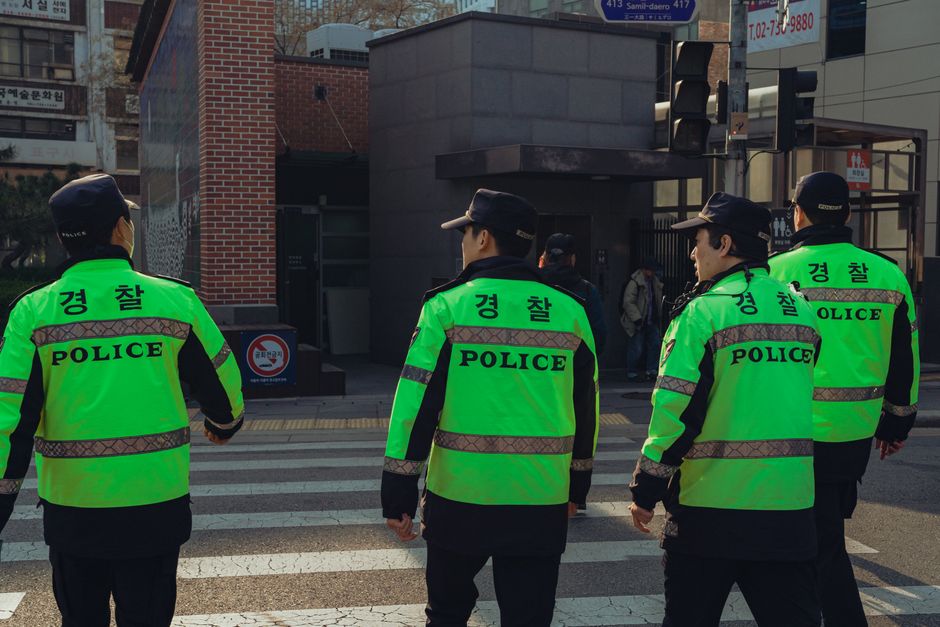
The potential deportation of the Brazilian woman is a step in the right direction, but it does not address the underlying issues that led to this situation. South Korea must take a more proactive approach to conflict and security, particularly when it comes to high-profile individuals. This includes increasing security measures, such as surveillance and protection details, as well as educating fans about the importance of respecting personal boundaries.
Meanwhile, the incident has sparked a debate about the responsibilities of fans and the consequences of their actions. On the other hand, some argue that the blame lies with the authorities in South Korea for not doing enough to prevent such incidents. In fact, the country’s approach to security and migration will be closely watched in the coming months, as it navigates the complexities of balancing fan culture with personal safety.
South Korea’s Approach to Migration and Security
As South Korea grapples with the aftermath of this incident, it must consider the long-term implications of its migration and security policies. South Korea has been actively promoting itself as a tourist destination and a hub for international culture, but it must also ensure that it can provide a safe and secure environment for visitors and citizens alike. In South Korea, the government will need to work closely with law enforcement agencies and immigration authorities to prevent similar incidents and protect its citizens from harm.
In conclusion, the incident involving the Brazilian woman and BTS star Jungkook has raised important questions about security and migration in South Korea. As the country moves forward, it must prioritize the safety and well-being of its citizens, while also promoting a culture of respect and responsibility among fans. Will South Korea be able to find a balance between fan culture and personal security, or will incidents like these continue to occur? Only time will tell, but one thing is certain – South Korea must take a more proactive approach to conflict and security to ensure the well-being of its citizens.
That tension around South Korea fan culture safety is not going away.
Source: BBC Asia