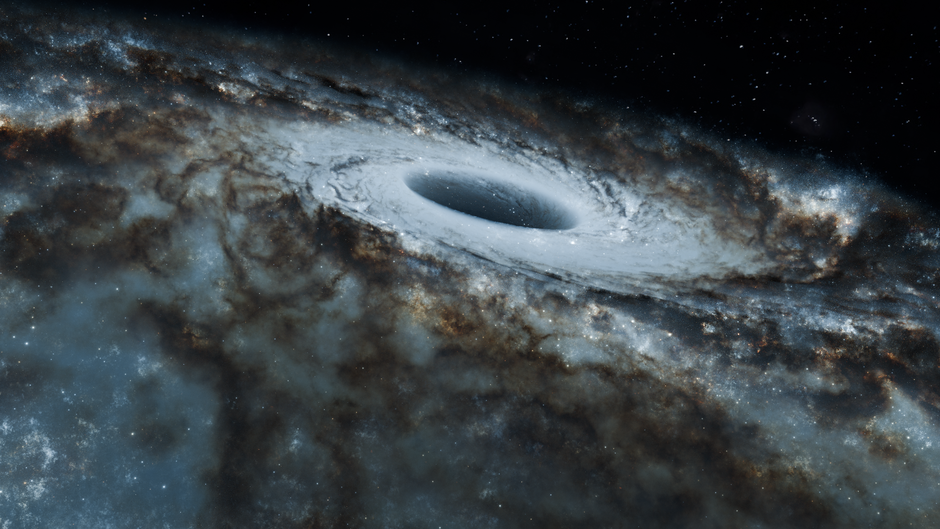
Could black hole stars be the universe’s cosmic enigma that changes our understanding of science forever? NASA’s latest findings promise to plunge us deeper into the mysteries of the universe, challenging everything we thought we knew about black holes, stars, and the very fabric of existence.
According to NASA, the James Webb Space Telescope has discovered what could be the strongest evidence yet for the existence of black hole stars — massive celestial entities that collapse directly into black holes instead of undergoing the traditional supernova explosion. This revelation, shared on June 10, 2026, heralds a new era in the study of astrophysics and the life cycles of stars.
The Significance of This Groundbreaking Science
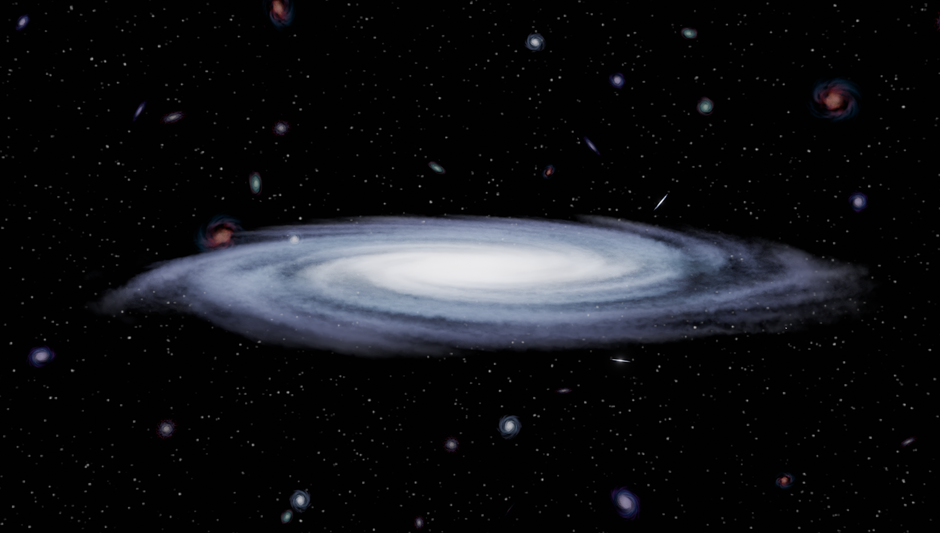
The implications of these findings are monumental. For years, astronomers have theorized the existence of black hole stars, yet empirical evidence remained elusive. In a cosmos where everything seems to fall into neatly categorized boxes, black hole stars are a wild card. They bridge the gap between stars and black holes, hinting at a chaotic universe filled with strange phenomena that defy current scientific frameworks. The players in this monumental drama are not just NASA scientists but the entire astrophysics community, which must now grapple with a reality that may defy our understanding of physics.
This discovery comes at a time when space exploration is receiving renewed interest. The public is captivated by the mysteries of the universe, and the recent accomplishments of the James Webb Space Telescope have ignited a sense of wonder reminiscent of the Apollo era. Yet, while we marvel at these findings, we must also confront the uncomfortable truth that our comprehension of the cosmos is still in its infancy.
Shattering Assumptions: Who Wins and Who Loses in This Scientific Drama?
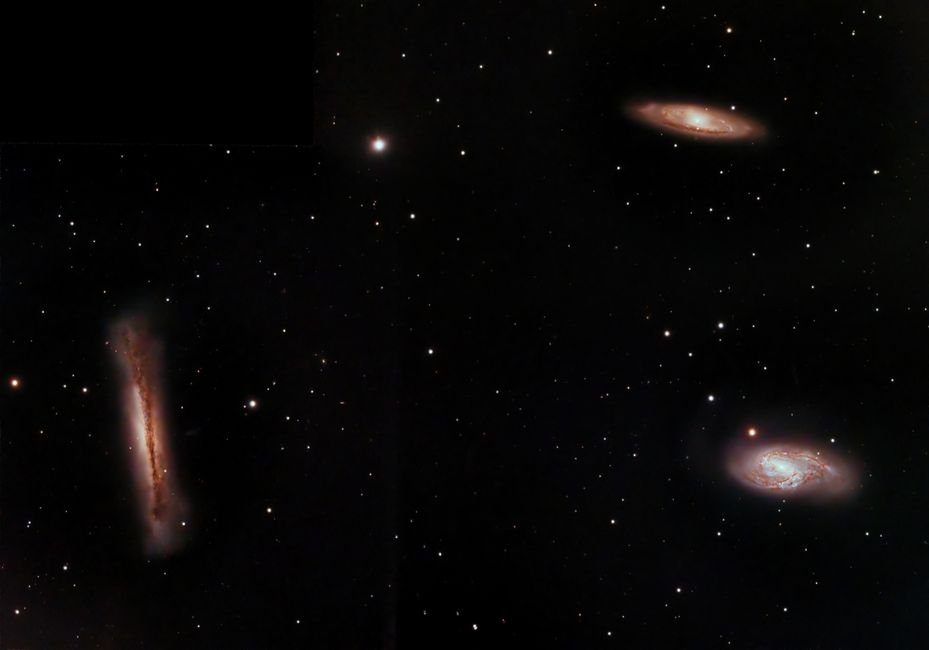
The winners in this cosmic saga are undoubtedly those researchers and scientists who have devoted their lives to unraveling these mysteries. Their efforts are paying off, and they are stepping into the limelight of public fascination. However, what about the established scientific norms? This discovery could provoke a shake-up in an academic landscape that has long resisted change. Traditionalists who cling to established theories will find their world rocked.
Yet this narrative is not without its pitfalls. While these findings are groundbreaking, they come with a caveat: the ideas surrounding black hole stars could lead to new theories that might not hold up under scrutiny. As we embrace this exciting new chapter in science, we must also remain vigilant about the multitude of ways our understanding can lead us astray. A race is on to validate these findings and ensure that they are not merely a mirage in the vast cosmos.
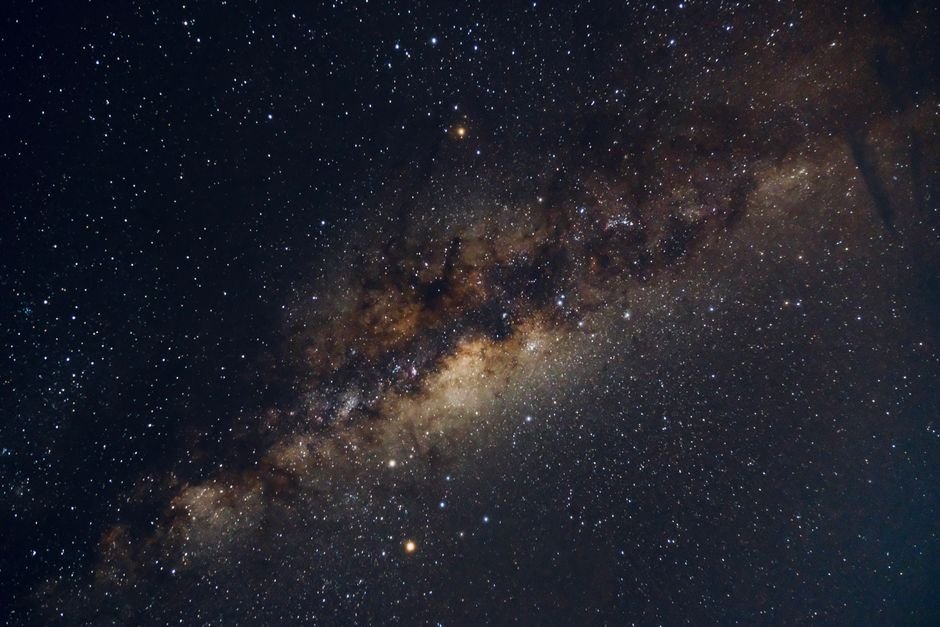
Ultimately, this revelation could be a stepping stone toward understanding more profound questions about the universe. Theories about dark matter, the expansion of the universe, and even the origins of life may hinge on our comprehension of these black hole stars.
As we stand on the precipice of this new frontier in science, one overwhelming question looms: How much more of the universe’s secrets lies beyond our current grasp? The stars may be starting to tell us their stories, but we have only begun to listen.
Source: Google — Space & Science