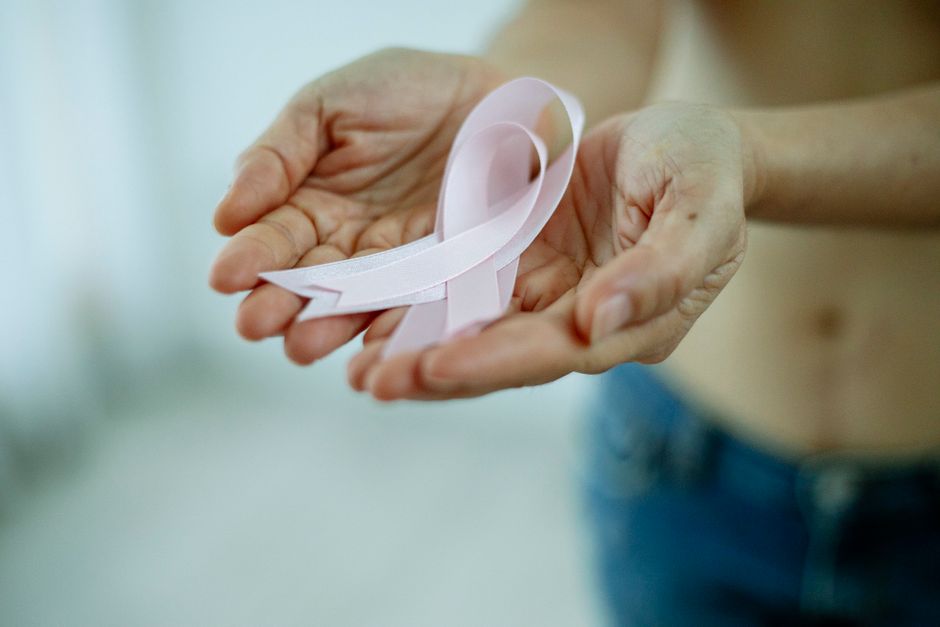
**What** does the future of cancer care truly hold for us, beyond the glossy headlines and promises of medical breakthroughs? It’s a question that demands more than a simple answer, especially when the reality on the ground for millions remains grim, entangled in systemic failures and stark inequalities.
A recent report by PunchNG explores the intricate landscape of future cancer care in Nigeria, highlighting ongoing challenges, the high prevalence of preventable cases, and the persistent struggle for access to adequate treatment. Moreover, it underscores the profound impact individual lifestyle changes can have in the fight against the disease.
The Uncomfortable Truth: What’s Really at Stake?
This isn’t just a Nigerian problem; it’s a global mirror reflecting the glaring disparities in health equity. The promise of advanced oncology treatments often feels like a cruel joke to populations grappling with basic diagnostic shortfalls, inadequate infrastructure, and prohibitive costs. While the West pours billions into genomic sequencing and targeted therapies, vast swathes of the world still contend with late diagnoses, limited palliative care, and an acute shortage of trained specialists. Meanwhile, the global cancer burden continues its relentless march, predicted to rise significantly in the coming decades, with low- and middle-income countries bearing the brunt.
The context here is a world where healthcare is increasingly commodified, often leaving public health initiatives underfunded and undervalued. Governments, pharmaceutical giants, and international aid organizations all play a part, but their collective efforts frequently fall short of creating a truly equitable system. We talk about the “future of cancer care” as if it’s an inevitable march towards universal wellness, yet the present reality is a stark reminder of how far we still have to go.
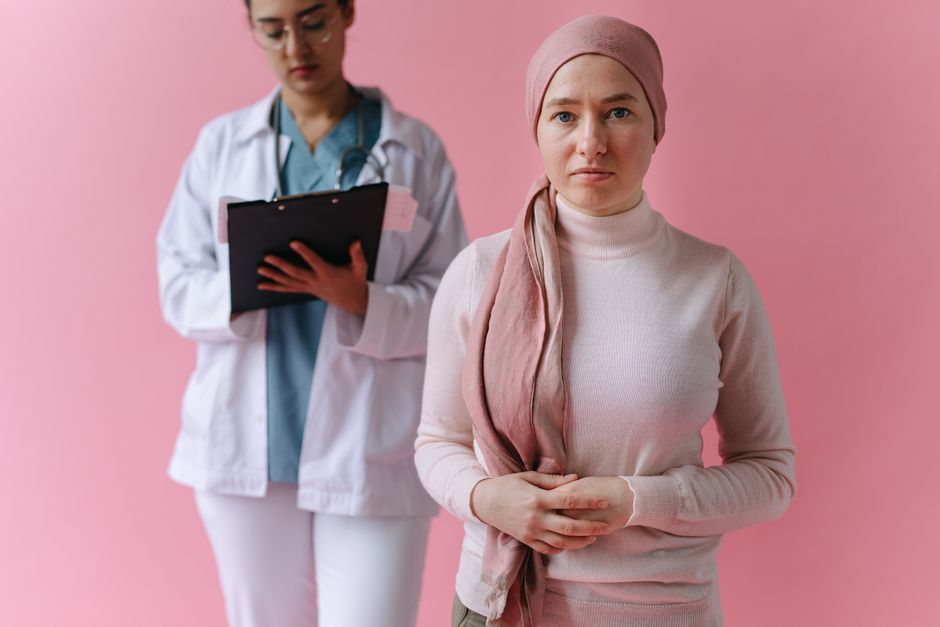
The Mirage of Individual Responsibility
Here’s the rub: when we hear about lifestyle changes impacting cancer, it’s often presented as an individual’s burden, a personal failing if they don’t conform. While personal choices undeniably play a role, framing the conversation this way conveniently sidesteps the colossal systemic issues that truly dictate the future of cancer care. What good is advising someone to eat healthy and exercise when their environment is saturated with ultra-processed foods, their water is contaminated, and their access to safe recreational spaces is non-existent?
The emphasis on lifestyle, while valid, risks becoming a smokescreen, diverting attention from the urgent need for robust public health policies, environmental regulations, and equitable access to screening and early detection. Who truly benefits when the narrative shifts from collective responsibility to individual blame? Pharmaceutical companies and private healthcare providers, certainly, who can then charge exorbitant prices for treatments that could have been prevented or managed more affordably with proactive public health measures. The focus becomes treatment, not prevention, a highly profitable model for some, but a catastrophic failure for the many. We are constantly chasing cures while neglecting the root causes, a cycle that is both unsustainable and morally bankrupt. This isn’t just about medicine; it’s about justice.

This isn’t to say personal responsibility is irrelevant. Far from it. But for true progress, the conversation must broaden. It must encompass urban planning that promotes active living, food policies that make healthy eating affordable for all, and robust educational campaigns that are genuinely accessible and culturally appropriate. We need to dismantle the systemic barriers that prevent people from making healthier choices, rather than simply admonishing them for not doing so. Otherwise, the “future of cancer care” will remain a privilege, not a right.
What we need is a radical re-evaluation of priorities. Instead of waiting for advanced cancers to manifest and then scrambling for prohibitively expensive, cutting-edge therapies, we should be pouring resources into primary prevention, accessible early detection programs, and foundational healthcare infrastructure. This means investing heavily in public health education, ensuring clean environments, and subsidizing healthy food options. It means making sure every community, regardless of its economic standing, has access to basic diagnostic tools and trained medical personnel. The current trajectory, where innovative treatments are lauded while basic care remains elusive for millions, is not a path to progress; it’s a path to deepening inequality and greater suffering. The time for platitudes is over; the time for systemic action is now.
The future of cancer care, then, isn’t just about scientific breakthroughs. It’s about political will, economic justice, and a fundamental shift in how we value human life and health across the globe. Anything less is a betrayal of humanity’s potential.
Source: NewsAPI:q