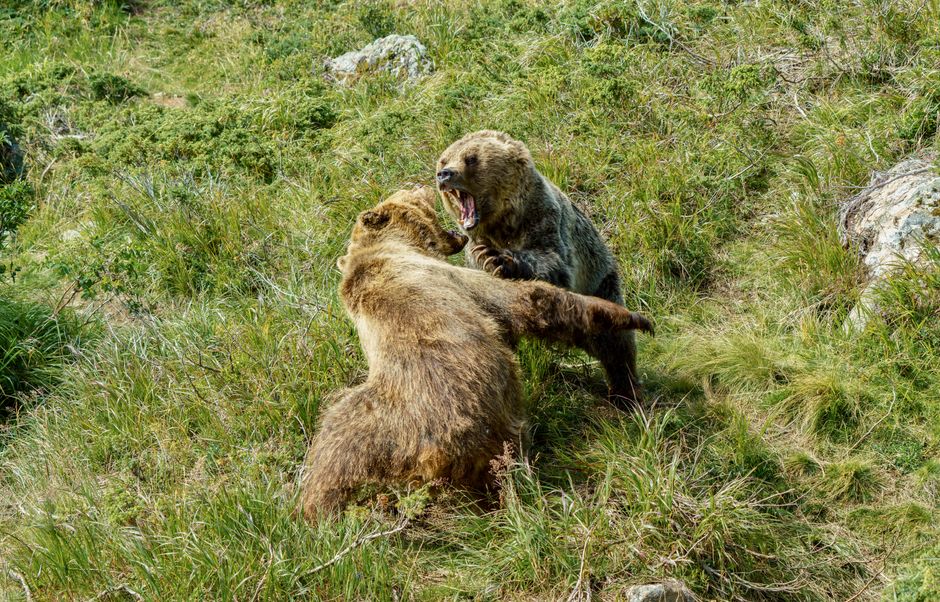
The image of a bear charging through the redwoods, teeth bared, is a staple of California tourism brochures, yet this weekend the reality of that predator snapped brutally into view. According to the San Francisco Chronicle, a Northern California couple was badly injured when a bear ambushed them on a trail, and their loyal dog was killed while trying to shield its owners. The incident has ripped open a quiet debate about how we share wilderness with wildlife, and why the answer is anything but simple.
The bear attack that forces us to confront a broken coexistence model
The Chronicle reports that the couple, hiking in a remote area of Northern California, were suddenly set upon by a bear that “lunged” at them, inflicting severe injuries. Their dog, a large mixed‑breed, leapt forward and was mauled to death before the animal turned on the humans. Emergency crews arrived hours later, extracting the survivors and the tragic remains of the dog. The facts are stark: a bear, a couple, a dog, and a wilderness that is no longer a safe haven for either humans or wildlife.
What makes this more than an isolated tragedy is the timing. Over the past decade, sightings of bears near populated trails have surged across the West, a trend linked to shrinking habitats, climate‑driven food shortages, and an ever‑growing human footprint. The National Park Service has warned that bears are spending more time near roads and campgrounds as their natural foraging grounds disappear. Meanwhile, state wildlife agencies have been scrambling to balance public safety with conservation mandates, often opting for lethal removal only after a “dangerous animal” designation is granted. The bear that attacked this couple was likely acting on instinct, defending a food source or reacting to perceived encroachment, yet the response will inevitably be framed in terms of human safety.
What this means for the broader conversation on wildlife management
The immediate fallout is a chorus of calls for stricter bear control measures. Some local officials argue that increased culling, mandatory bear-resistant containers, and even seasonal trail closures are the only viable solutions to protect hikers. They point to the couple’s injuries as evidence that the current “coexistence” rhetoric is naïve and puts recreational users at undue risk. On the other side, conservationists warn that punitive measures only exacerbate the problem, driving bears into more desperate behavior and eroding public support for broader ecosystem protection. They cite studies showing that non‑lethal deterrents—such as bear spray distribution, education campaigns, and proper waste management—reduce conflicts more effectively than outright removal.
The stakes extend beyond the forest floor. If policymakers swing toward aggressive culling, we risk a slippery slope that could see other large predators, like mountain lions, subjected to similar treatment under the guise of “public safety.” Moreover, the economic impact on tourism, a major revenue stream for many rural communities, could be significant if fear of wildlife attacks deters visitors. Conversely, ignoring the growing tension could lead to more high‑profile incidents, fueling a backlash that might force even harsher legislation.
It is also worth noting that the couple’s tragedy underscores a cultural blind spot: the expectation that wilderness should be both pristine and fully safe for human recreation. In reality, any ecosystem that supports apex predators like bears is inherently dynamic and sometimes dangerous. The narrative that we can “tame” nature without compromising its integrity is a myth perpetuated by marketing, not science. The bear in this story was not a rogue monster; it was an animal responding to environmental pressures that humans have amplified.
The mainstream media’s coverage often frames such events as “rare” or “unusual,” a tactic that downplays the underlying trend. Yet the data tells a different story. The California Department of Fish and Wildlife logged a 37 % increase in bear-human encounters over the past five years, and the number of injuries requiring hospitalization has risen in step. Ignoring this trajectory is not only irresponsible—it is a form of denial that puts more lives, human and animal, at risk.
In the end, the bear attack that left a couple maimed and a dog dead is a stark reminder that our relationship with the wild is at a crossroads. We can choose to double down on fear‑based policies that treat bears as enemies, or we can invest in education, research, and humane deterrence that respects both human safety and the ecological role of these magnificent creatures. The path we take will shape not only the future of bear management but also the broader ethic of how we coexist with the natural world.
The wilderness will continue to be a place of wonder and danger, and the next headline may read the same. The question is whether we will learn to live alongside bears—or whether we will keep pushing them, and ourselves, toward a collision course that ends in tragedy.
Source: Google — Middle East incidents