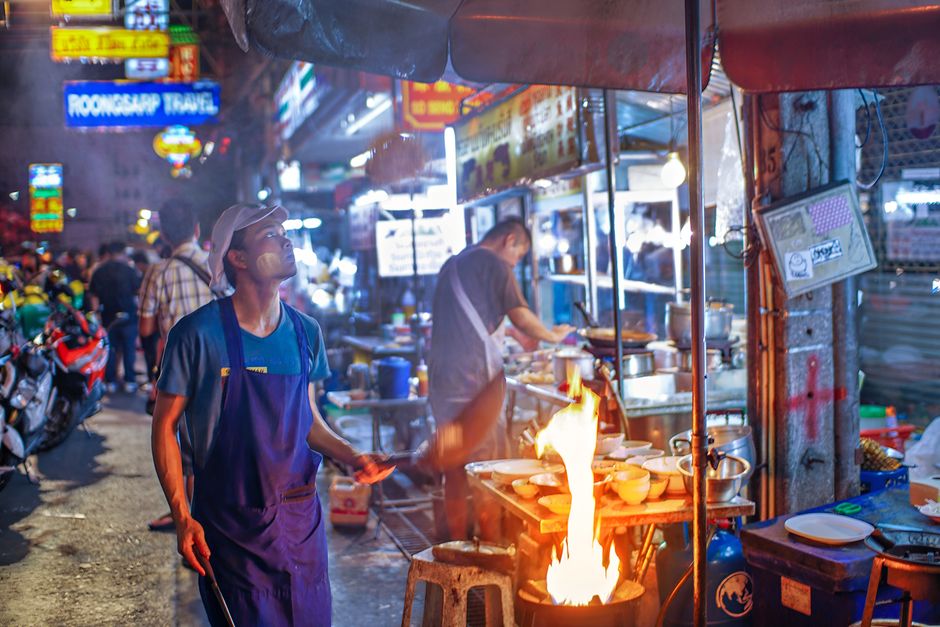
Another deadly bar fire in Bangkok. How many times must this grim pronouncement echo through the streets of Thailand’s capital before anything truly changes? The city, famed for its vibrant nightlife and relentless energy, once again finds itself mourning preventable deaths, victims of a systemic rot that seems to fester beneath the surface of its dazzling facade.
According to the BBC Asia, the recent bar blaze has replayed horrific scenes witnessed before, spurring calls for action. Yet, despite these urgent pleas, the underlying issues persist, leaving observers to wonder why such tragedies continue to unfold with such alarming regularity.
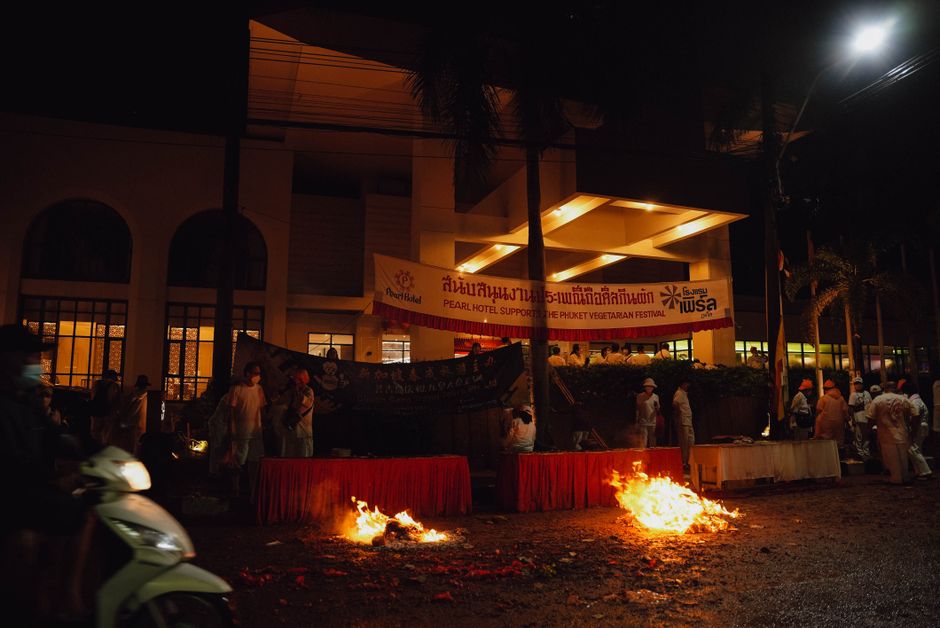
Why Bangkok Keeps Burning
This isn’t just an unfortunate accident; it’s a pattern, a recurring nightmare that has scarred the collective memory of Bangkok for decades. Think back to the Santika Club inferno in 2009, which claimed over 60 lives on New Year’s Eve. Or the countless smaller, equally tragic incidents that never quite capture international headlines but devastate families nonetheless. Each time, the narrative is chillingly similar: overcrowded venues, blocked exits, substandard materials, and a shocking lack of effective fire safety measures. Each time, there are investigations, promises of reform, and temporary crackdowns.
But the memory fades, and the powerful forces that enable this negligence simply lie in wait. The players are well-known: unscrupulous bar owners prioritizing profit over human lives, corrupt officials willing to look the other way for a price, and a regulatory framework that is either too weak or too easily circumvented. The city’s rapid expansion and often informal building practices only exacerbate the problem, creating a maze of potential death traps disguised as entertainment venues. This is not merely about individual lapses; it’s about a culture of impunity that allows these risks to proliferate unchecked, making every night out in certain parts of Bangkok a roll of the dice.
The Human Cost of Indifference
The mainstream narrative often focuses on the immediate aftermath – the rescue efforts, the victim counts, the grief. What it frequently misses, however, is the cynical calculation underpinning these disasters. For many, the cost of installing proper fire exits, maintaining functional sprinkler systems, or using fire-resistant materials is deemed too high. A bribe to an inspector, on the other hand, is a far cheaper solution, a quick fix that ensures business continues uninterrupted, safety be damned. Who benefits? The owners who save on operational costs and the officials who line their pockets. Who loses? The young people, often tourists or working-class Thais, who simply wanted a night out, and whose lives are extinguished in moments of panic and flame.
This latest incident exposes the deep hypocrisy at the heart of the city’s governance. Authorities are quick to boast about Bangkok’s global appeal, its vibrant tourism, its economic dynamism. Yet, they consistently fail to provide the most fundamental safety nets for its residents and visitors. The calls for action, while sincere, often fall on deaf ears or are met with performative measures that do little to address the root causes. There’s a tangible danger here: beyond the immediate loss of life, repeated tragedies erode public trust and tarnish the very image Bangkok tries so hard to project. The international community watches, and slowly, surely, the shine wears off. This is not just a local problem; it reflects poorly on Thailand as a whole, undermining its claims of being a safe, modern destination.
We can expect the usual cycle to repeat: a brief flurry of inspections, a few token arrests, and then, as the news cycle moves on, a gradual return to the dangerous status quo. Until there is a fundamental shift in accountability, until the cost of negligence outweighs the benefit of corruption, the people of Bangkok will continue to pay the ultimate price for a city that prioritizes appearance over safety. The question isn’t whether another fire will happen, but when, and how many more will have to die before the cycle is finally broken.
Source: BBC Asia