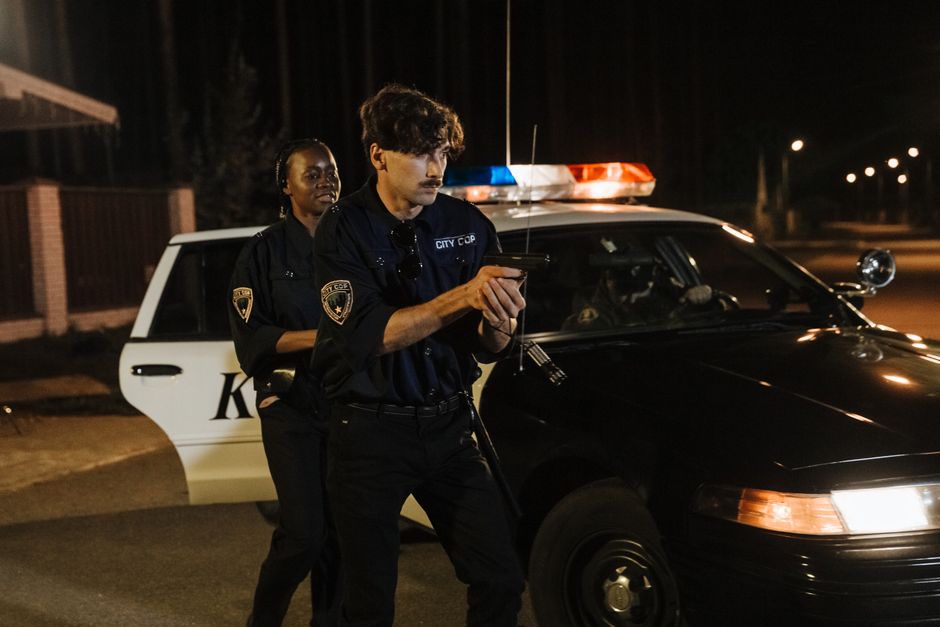
Imagine being pulled over at gunpoint, twice, for a crime you didn’t commit, all because a machine made a mistake. This isn’t a dystopian novel; it’s the terrifying reality a Wisconsin **woman** faced when a glitch in surveillance software linked her to a homicide. It’s a stark reminder that our increasing reliance on automated eyes and ears carries a heavy, often unseen, cost.
According to Local12.com, Amber Newell was pulled over by police twice after Flock camera-linked software incorrectly identified her vehicle as being connected to a homicide suspect. The second stop reportedly involved officers drawing their weapons, creating a harrowing experience for an innocent citizen.
The Glitch in the Machine: Why This Woman’s Ordeal Matters
This incident isn’t just an unfortunate isolated error; it’s a flashing red light for the entire ecosystem of automated surveillance. Flock Safety cameras, which capture license plate data and vehicle characteristics, are increasingly prevalent across the United States. They promise efficiency and a new frontier in crime fighting. However, as this case painfully illustrates, efficiency without accuracy can lead to severe injustice.
What makes this particularly troubling is the systemic trust placed in these systems by law enforcement. Police departments are investing heavily in these networks, often with little public oversight or robust independent testing. The allure of “smart” policing is powerful, offering the promise of solving crimes faster and preventing them more effectively. Yet, the human element — the critical thinking, the double-checking, the common sense — seems to be eroding under the weight of algorithmic certainty.

This isn’t just about a faulty license plate reader; it’s about the underlying philosophy of “trust the tech.” When a system repeatedly flags the wrong vehicle, and that alert triggers a high-stakes, potentially life-threatening police encounter, the system is fundamentally broken. Furthermore, the sheer volume of data collected by these cameras raises profound questions about privacy and civil liberties, even when the data is “accurate.” The focus here is not on the *intent* of the technology, but its *impact* on real lives.
The Unseen Casualties of Automated Policing
The mainstream narrative often celebrates these technologies as unalloyed good. They are pitched as tools that help catch criminals and make communities safer. What gets lost in this simplistic framing is the very real potential for collateral damage. Amber Newell became an accidental casualty, not of a crime, but of a flawed system and the unquestioning faith placed in it. Her experience is a chilling preview of what happens when the line between human judgment and machine output blurs.
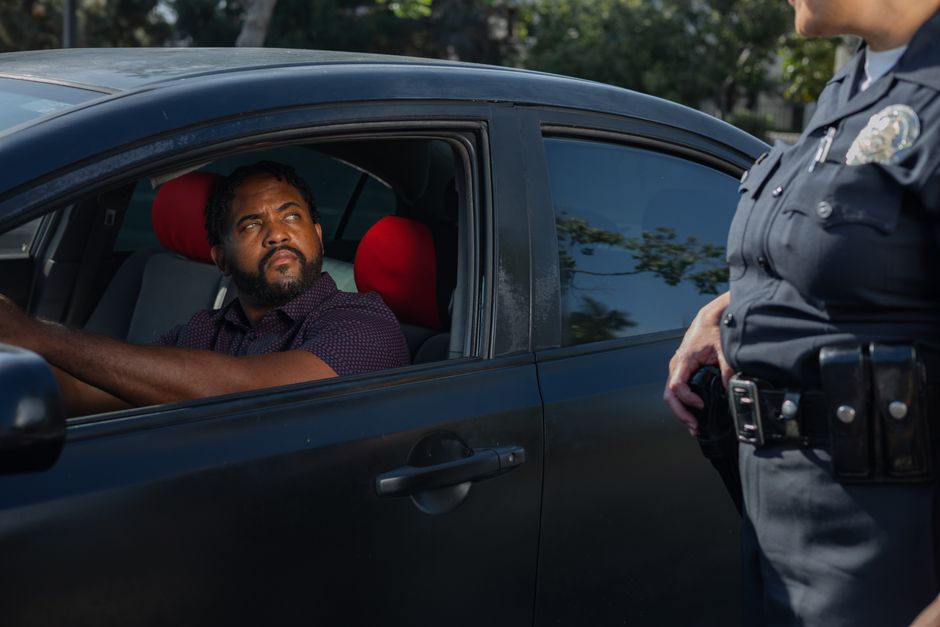
Who benefits from this? Certainly not the innocent **woman** terrorized by armed officers. The beneficiaries are often the tech companies selling these systems and police departments eager for a technological edge. The losers are everyday citizens, especially those who might fit a broad, vague profile, or whose vehicles are mistakenly identified. This incident exposes a dangerous feedback loop: flawed data enters the system, algorithms process it, and human officers, relying on that output, act with potentially devastating consequences.
We need to ask hard questions about accountability. When a surveillance system makes a mistake that leads to an innocent person being treated as a dangerous criminal, where does the responsibility lie? Is it with the police department that deployed it? The company that built the software? Or the culture that prioritizes speed and automation over meticulous verification and fundamental rights? Without clear answers and robust safeguards, this **woman’s** ordeal will not be an anomaly, but a grim forecast of future injustices. We must demand more than just apologies; we need systemic reform and a healthy dose of skepticism when it comes to handing over our safety to algorithms.
The promise of a safer society through omnipresent surveillance is seductive, but the reality can be terrifyingly arbitrary. How many more innocent people must be caught in the algorithmic net before we demand that human oversight and civil liberties take precedence over automated alerts?
Source: Hacker News Best