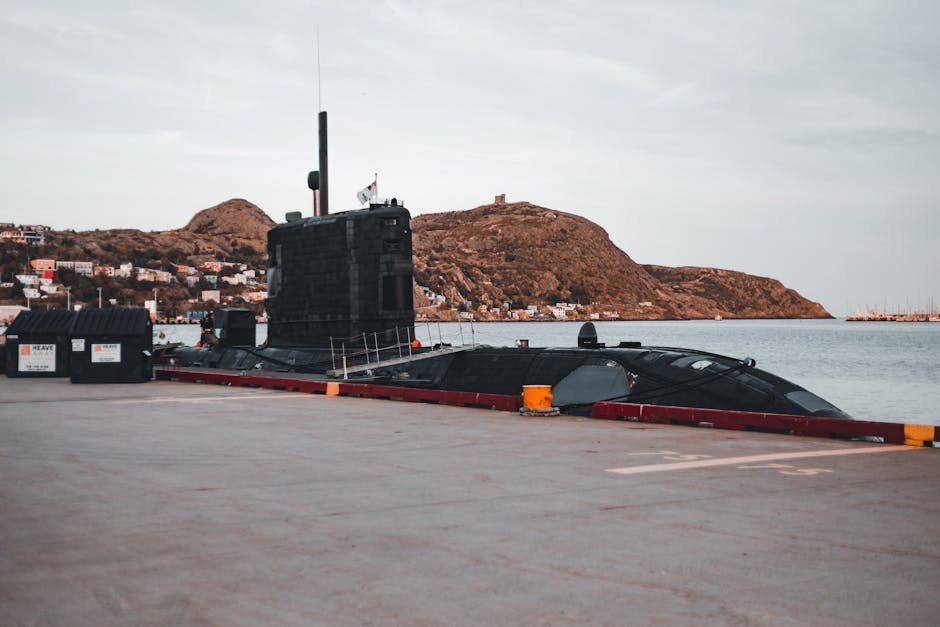
Australia seems to have just taken a giant leap into the murky waters of military procurement, announcing it will purchase only secondhand nuclear submarines from the U.S. This move raises a pressing question: what does this say about Australia’s commitment to its defense capabilities in the ever-shifting global markets? According to the Guardian, this decision marks a significant pivot in the AUKUS partnership, leaving many analysts scratching their heads.
Navigating Turbulent Markets and Military Alliances
The decision comes as Australia seeks to bolster its naval capabilities amidst growing tensions in the Indo-Pacific region. The AUKUS pact, formed between Australia, the UK, and the U.S., was initially hailed as a game-changer in the geopolitical landscape. Yet now, with Australia opting for pre-owned submarines, it showcases a rift between ambition and practicality. The announcement comes at a time when the global markets are under pressure and nations are scrambling to find their footing in an increasingly multipolar world.
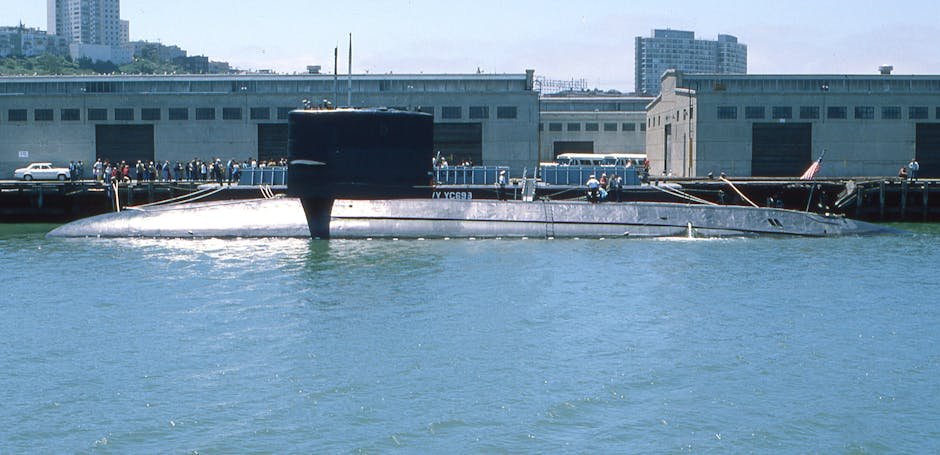
This significant shift in Australia’s defense strategy raises eyebrows not only at home but also among international partners. What happened to the ambitious plans for cutting-edge, state-of-the-art vessels? Instead, Australia is settling for vintage subs that may come with their own set of issues. Critics might argue that this decision reflects a lack of confidence in Australia’s manufacturing capabilities or worse, a sign of financial constraints affecting defense spending.
The Stakes in Military Investments and Economic Implications
This choice could have grave repercussions. While buying secondhand submarines may provide immediate military benefits, it also signals a broader reluctance to invest in future capabilities. In an era where modern warfare is increasingly defined by technological superiority, Australia could be setting itself up for a long-term disadvantage. The markets will be watching closely; if defense contractors sense hesitance from the government, it could lead to decreased future investments in domestic military capabilities.
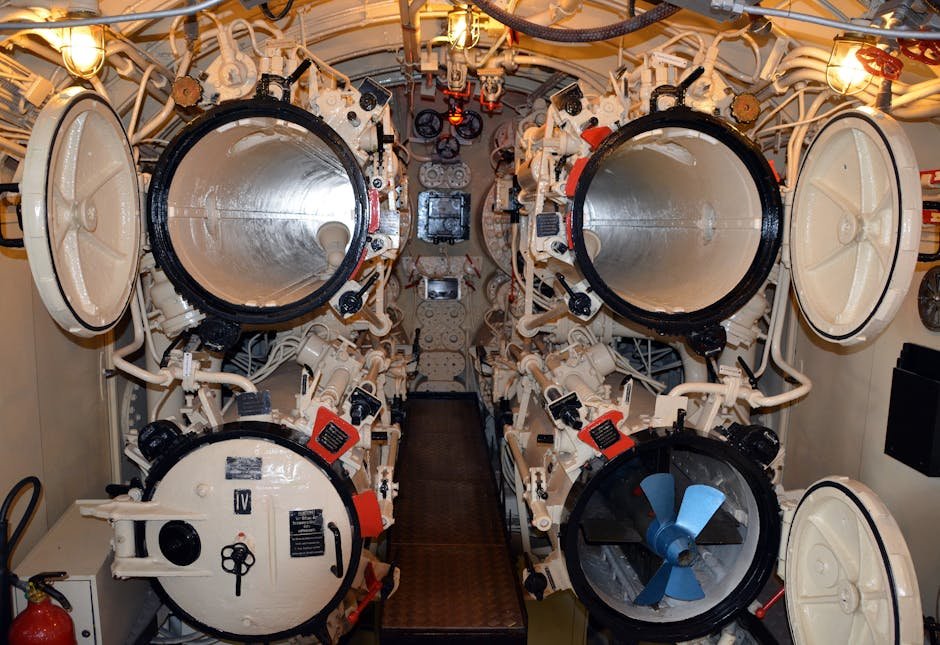
The potential fallout extends beyond defense. There’s an economic angle here that cannot be ignored. Analysts are already concerned about how this will affect Australia’s standing in the global markets. In a world where military strength often translates into economic leverage, Australia’s retreat to secondhand vessels could be interpreted as a retreat from its role as a key player. This is especially crucial as the global markets are anticipating shifts in U.S. foreign policy and funding priorities, which are bound to impact allied nations like Australia.
Some may argue that the secondhand submarines could serve as a stopgap while Australia develops its own advanced military technology. However, this mindset ignores the realities of defense procurement complexities. What’s more, the significant costs associated with retrofitting and maintaining older submarines could quickly outpace the initial savings. Ultimately, settling for lesser equipment could lead to a dangerous over-reliance on allies who may not have Australia’s best interests at heart in a future crisis.
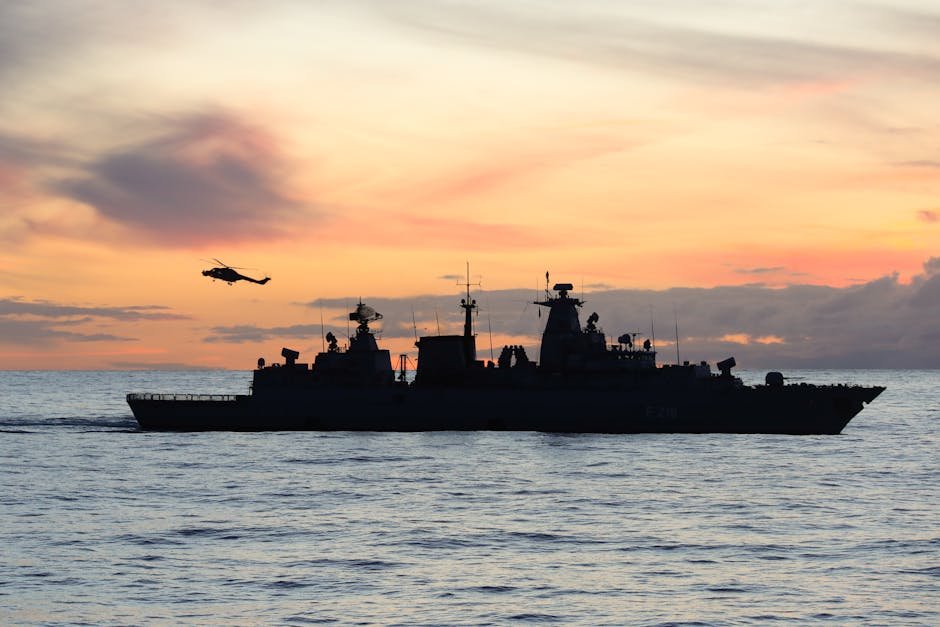
The mainstream narrative often champions such alliances, but it is important to question how much Australia should rely on secondhand assets when it could be developing its own capabilities. The markets are unforgiving; failure to innovate can quickly lead to obsolescence.
In a world characterized by uncertainty, Australia must navigate these turbulent waters with a clear vision and robust strategy. Will it seize this opportunity to enhance its military infrastructure, or will it continue to rely on secondhand solutions that may not meet the challenges of tomorrow?
The coming weeks will be critical for both political leaders and market analysts as they evaluate the implications of this decision. Australia’s future military readiness hinges on the choices made today. The question remains: is this a prudent strategy, or a troubling sign of declining ambition on the world stage?
Source: Guardian World